Tour du Mont Blanc
Chamonix, Haute-Savoie, France
0/5
0% of guests recommend
Duration
12 Days
Tour Type
Trekking
Group Size
12 persons
Overview
Trek Overview
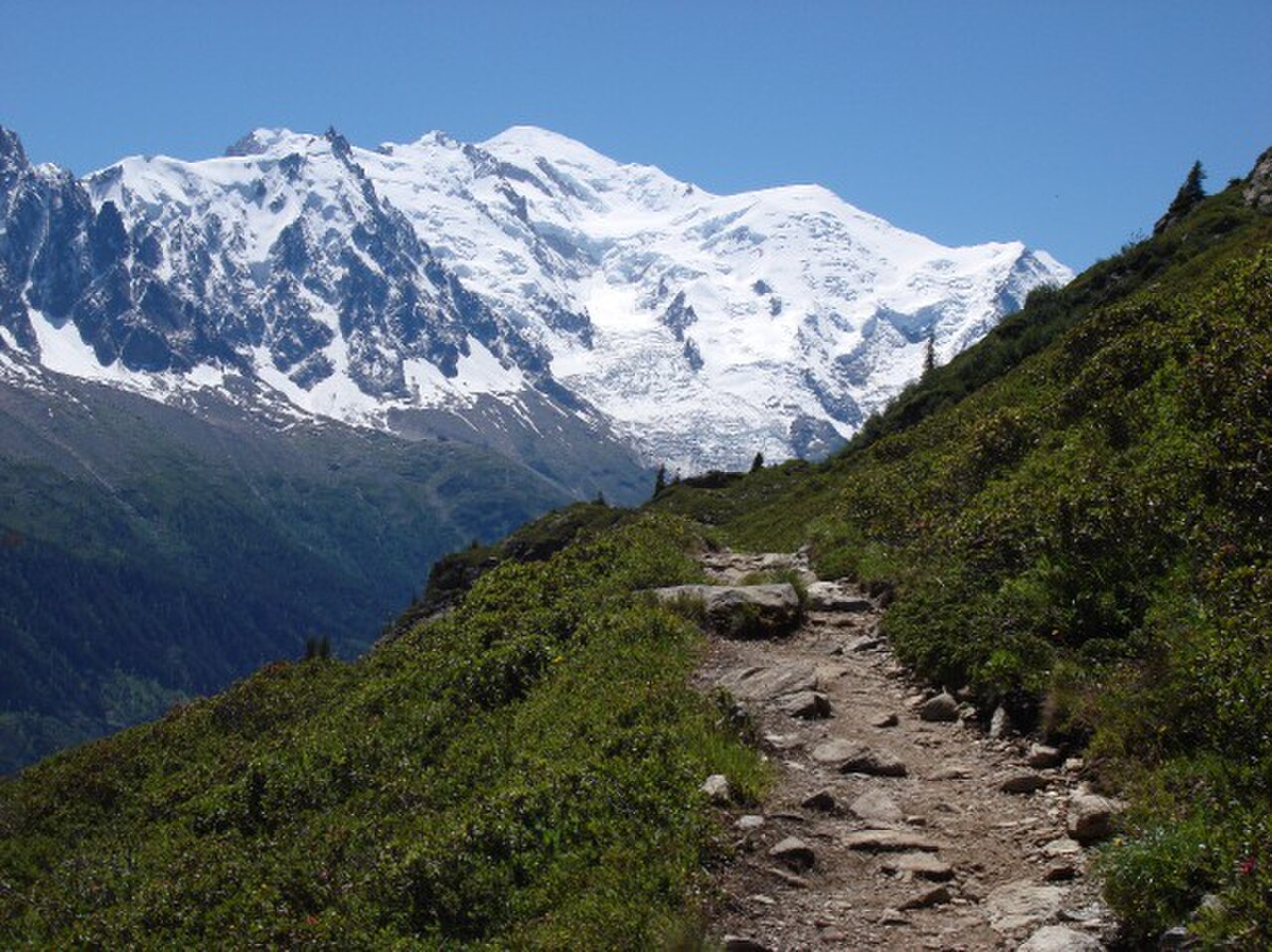
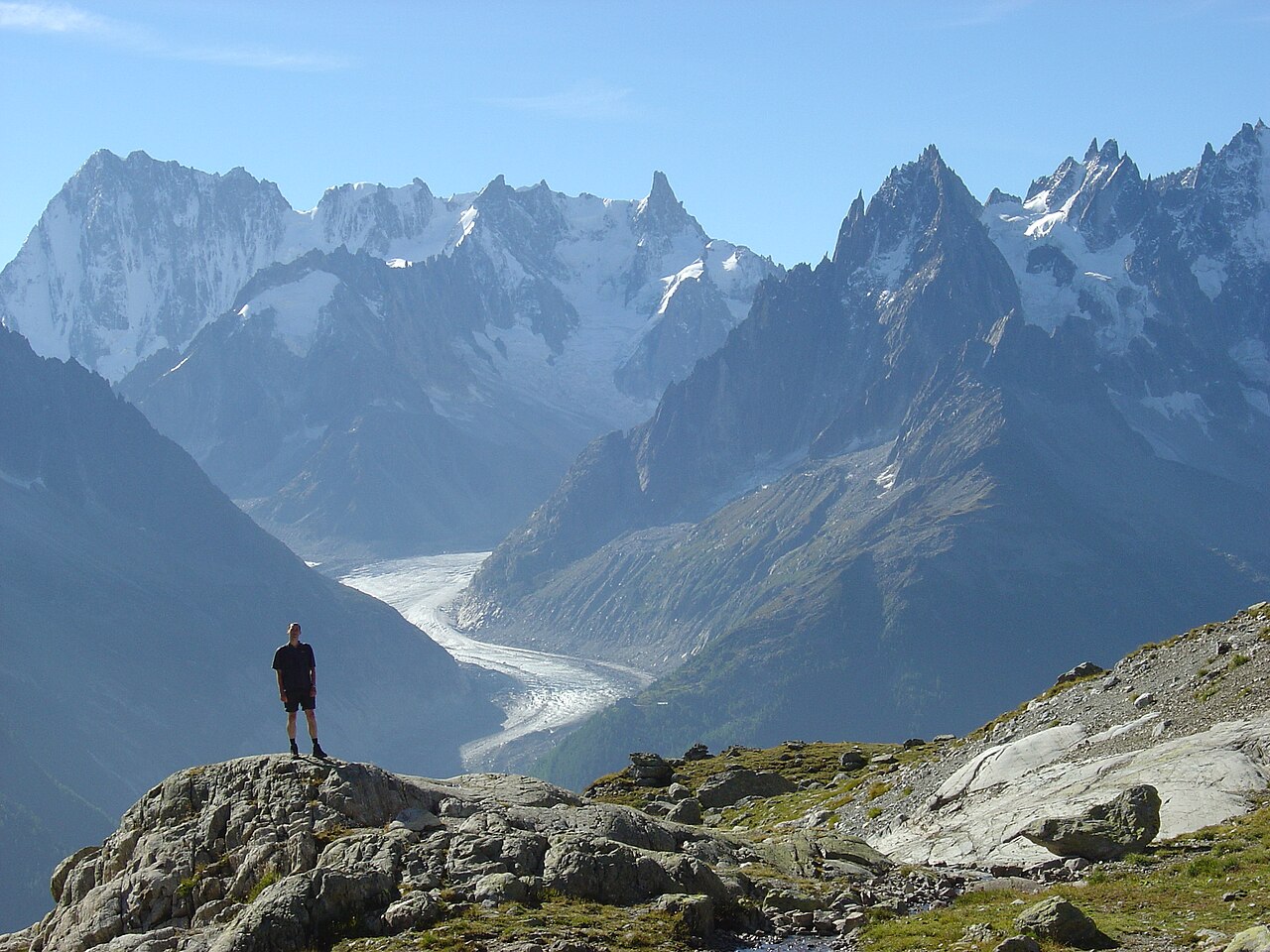
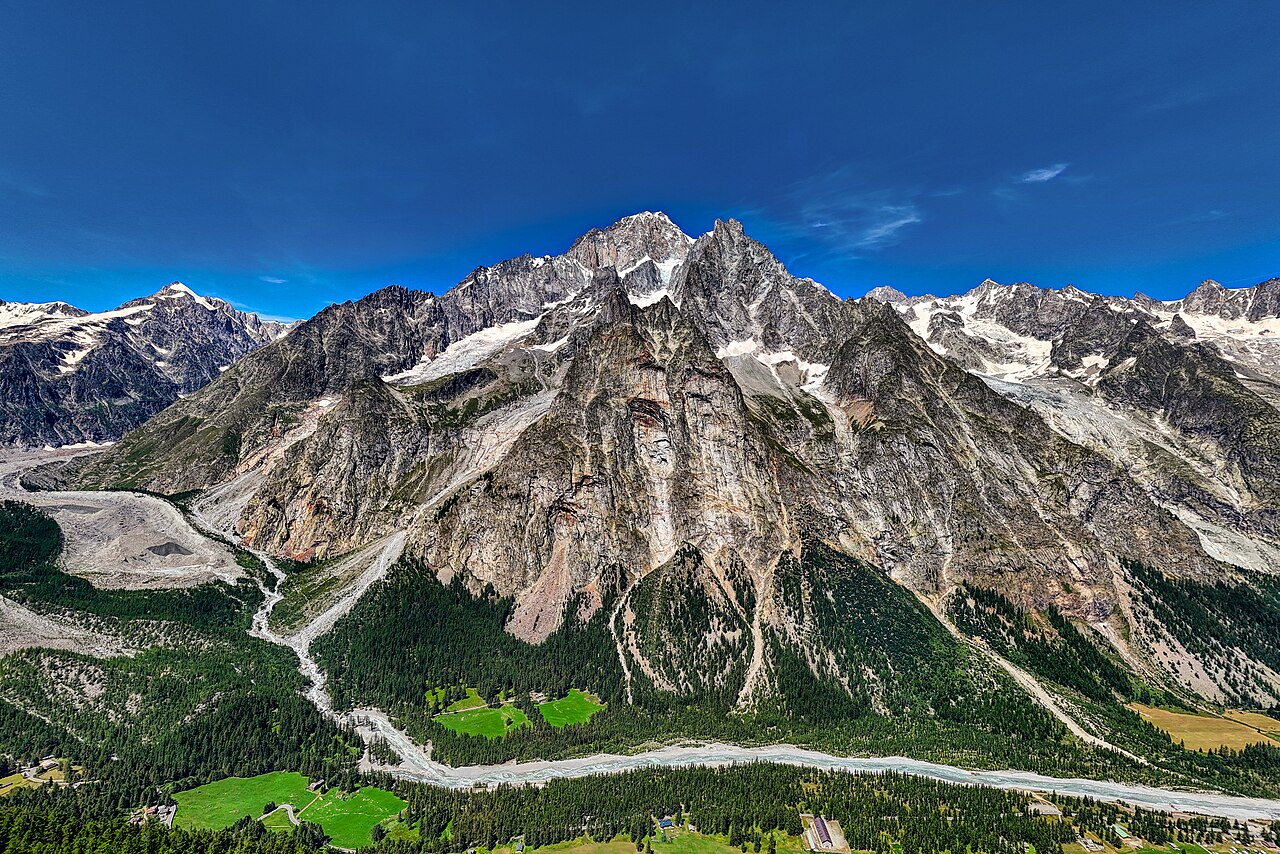
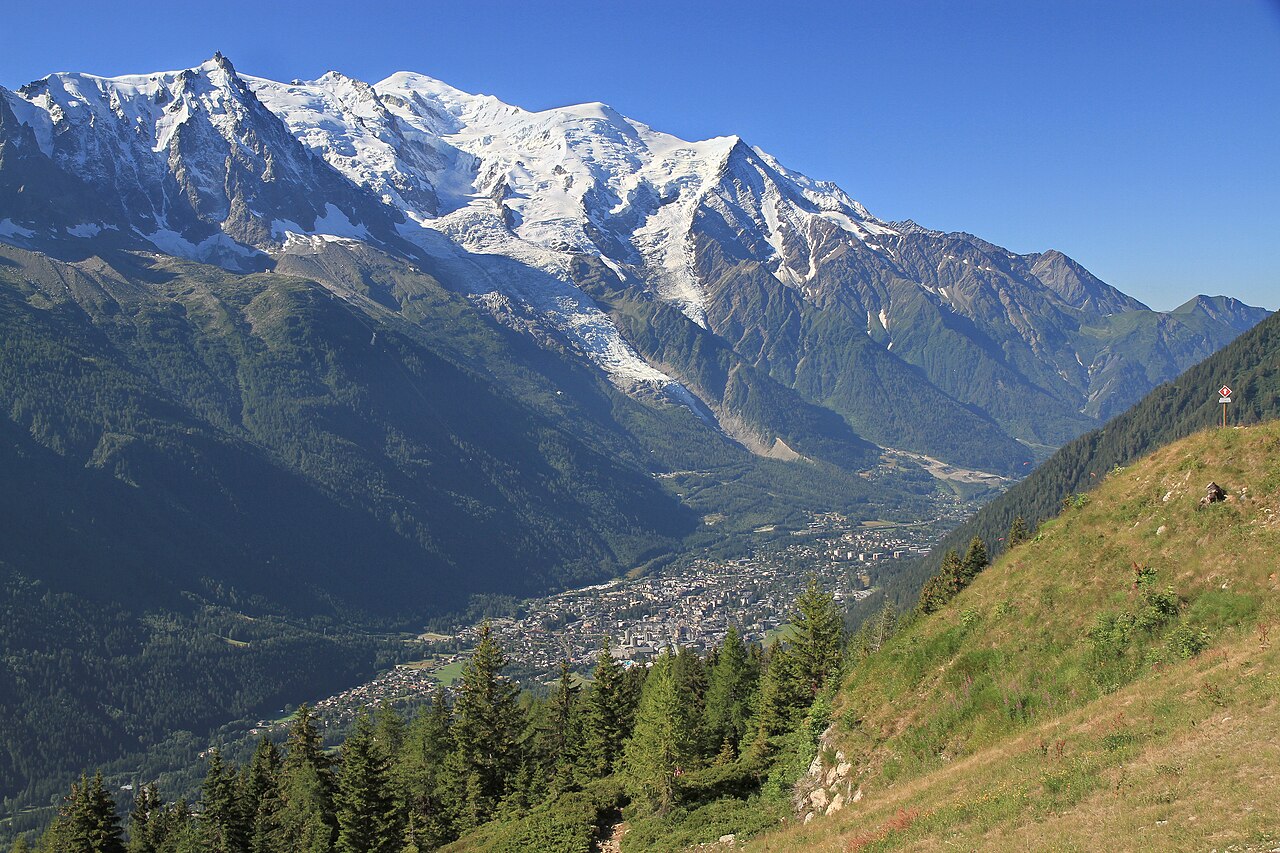
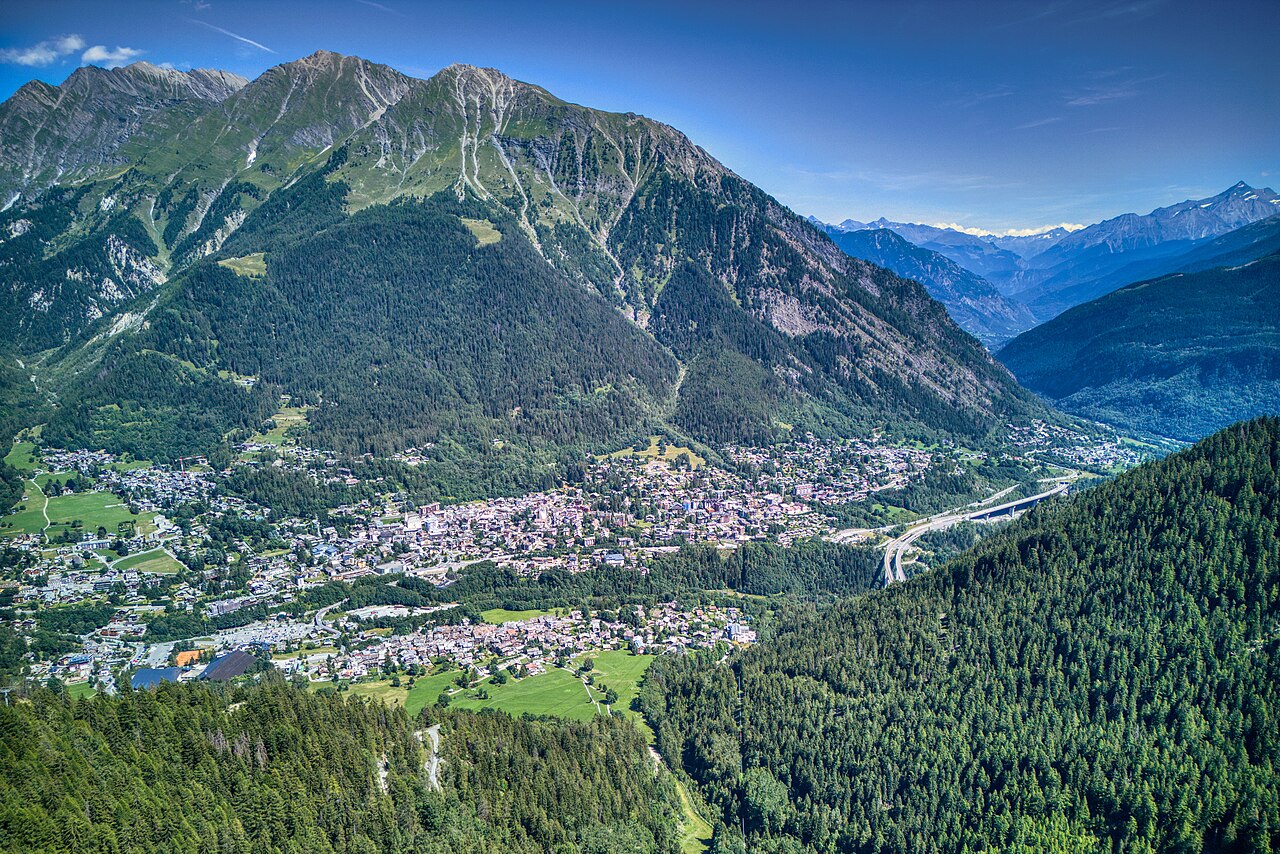
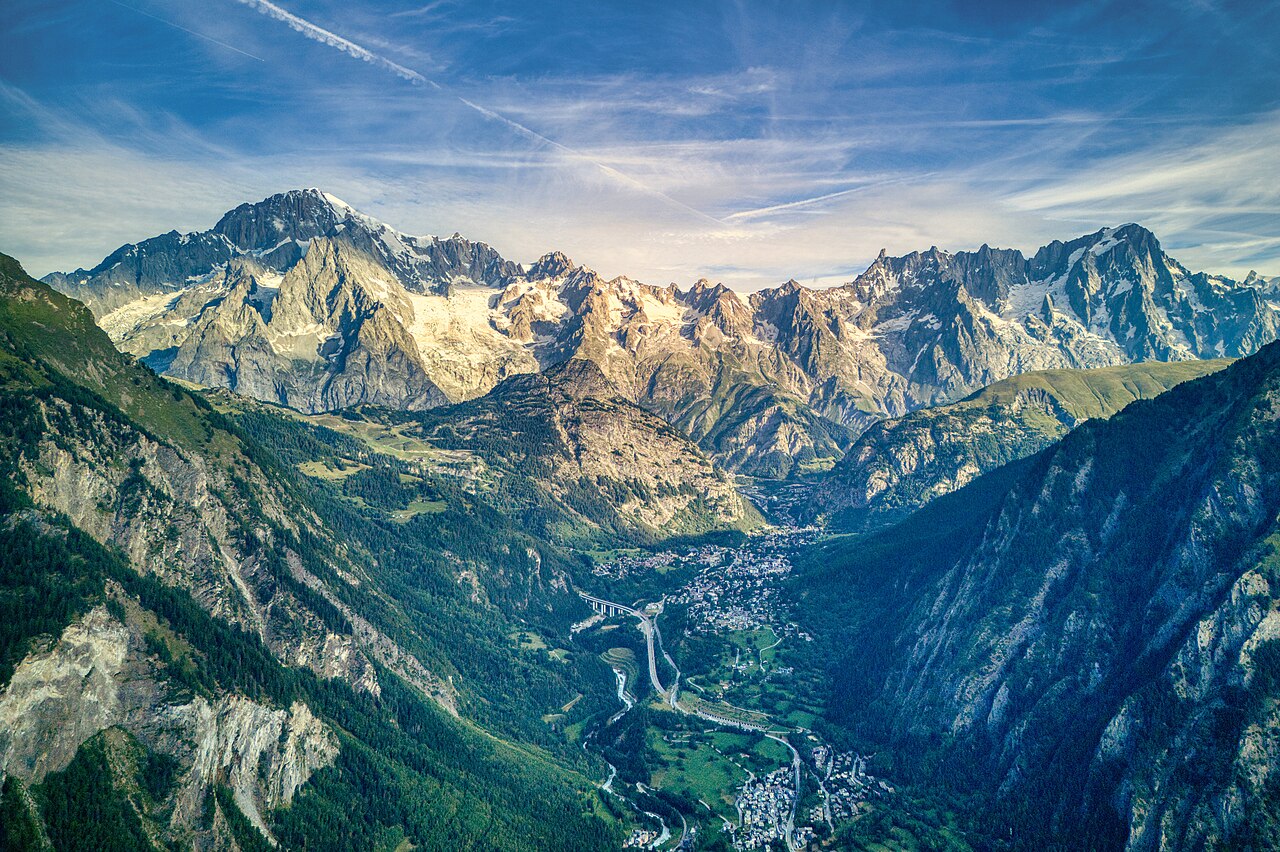
The Tour du Mont Blanc is Europe's most celebrated long-distance trek, circling the entire Mont Blanc massif through France, Italy, and Switzerland. This 12-day itinerary walks the full 170km loop in 10 stages, crossing high alpine passes with constantly changing views of Mont Blanc (4,808m), glaciers, and traditional alpine villages, finishing back where it started in Chamonix.
Route & Countries
The route runs Chamonix - Les Houches - Les Contamines-Montjoie - Croix du Bonhomme - Cabane du Combal (Italy) - Courmayeur - Grand Col Ferret (Switzerland) - Champex-Lac - Trient - Col de Balme (back into France) - Chamonix, covering roughly 170km with around 10,000m of cumulative elevation gain and loss.
Difficulty & Fitness
Rated moderate and accessible to any regular hiker in good physical condition. No technical climbing is required, but daily stages typically involve around 15km and 1,000m of ascent over 5-7 hours, so a solid base of hiking fitness makes the circuit far more enjoyable.
Best Time to Trek
The trekking season runs from mid-June to mid-September, when most refuges are open. July and August are the busiest months with the most stable weather; September offers quieter trails with a higher chance of early autumn conditions.
Refuge Booking & Logistics
Mountain refuges along the route are in high demand and some are fully booked as early as January or February for the following summer season, so refuge reservations and the overall itinerary are arranged well in advance as part of this trip.
Accommodation & Meals
Accommodation is a mix of village hotels, gites, and mountain refuges along the route, most on a half-board basis with breakfast and dinner included; picnic lunches are provided on trekking days.
Weather & Safety
Alpine weather can change quickly even in summer, with afternoon thunderstorms common in July and August. The itinerary builds in a realistic daily pace and your guide monitors conditions throughout, adjusting timing where needed for safety.
Itinerary
Day 1: Arrival in Chamonix
Chamonix, France (1,035m)
Arrive in Chamonix and transfer to your accommodation. The rest of the day is free to explore the town, with an equipment check and route briefing in the evening.
Day 2: Chamonix - Le Brevent - Les Houches
Chamonix to Les Houches via Le Brevent, France
Climb above Chamonix to Le Brevent for a first sweeping view across the valley to Mont Blanc, then descend to the village of Les Houches to begin the circuit proper.
Day 3: Les Houches - Les Contamines-Montjoie
Les Houches to Les Contamines-Montjoie via Col de Tricot, France
Cross the Col de Tricot with views of the Bionnassay glacier before descending through pasture to the village of Les Contamines-Montjoie.
Day 4: Les Contamines - Refuge de la Croix du Bonhomme
Les Contamines-Montjoie to Refuge de la Croix du Bonhomme, France
A steady climb through the Notre-Dame de la Gorge valley into high alpine terrain, overnighting at the mountain refuge of Croix du Bonhomme.
Day 5: Croix du Bonhomme - Cabane du Combal (into Italy)
Refuge de la Croix du Bonhomme to Cabane du Combal via Col des Fours, France/Italy
Cross into Italy via the high Col des Fours, the trek's highest point on the classic route, descending into the Val Veny to Cabane du Combal.
Day 6: Cabane du Combal - Courmayeur - Rifugio Bertone
Cabane du Combal to Rifugio Bertone via Courmayeur, Italy
Descend to the Italian resort town of Courmayeur for a break before climbing again to Rifugio Bertone, with views back across the valley to the south face of Mont Blanc.
Day 7: Rifugio Bertone - Grand Col Ferret (into Switzerland)
Rifugio Bertone to Alpage de la Peule via Grand Col Ferret, Italy/Switzerland
A long, scenic stage along the Val Ferret to the Grand Col Ferret, crossing from Italy into Switzerland with panoramic views of the Mont Blanc massif behind you.
Day 8: La Peule - La Fouly - Champex-Lac
Alpage de la Peule to Champex-Lac via La Fouly, Switzerland
Descend through the Swiss Val Ferret to La Fouly, then continue through forest to the lakeside village of Champex-Lac.
Day 9: Champex-Lac - Trient
Champex-Lac to Trient via Fenetre d'Arpette, Switzerland
A demanding but rewarding stage over the Fenetre d'Arpette, a rocky high pass with close views of the Trient Glacier, descending to the village of Trient.
Day 10: Trient - Col de Balme (back into France)
Trient to Tre le Champ via Col de Balme, Switzerland/France
Climb to the Col de Balme on the Swiss-French border for one of the trek's best views back down the Chamonix valley, then descend to Tre le Champ.
Day 11: Tre le Champ - Lac Blanc - Chamonix
Tre le Champ to Chamonix via Lac Blanc and La Flegere, France
The final and arguably most scenic stage, climbing to the turquoise Lac Blanc beneath the Aiguilles Rouges before descending via La Flegere back to Chamonix to complete the circuit.
Day 12: Departure from Chamonix
Chamonix - Geneva Airport transfer
Free time in Chamonix until your transfer to Geneva Airport for your onward flight, or extend your stay to explore more of the Alps.
Highlights
- Circle the entire Mont Blanc massif (4,808m) through three countries in one trek
- Cross high alpine passes including the Grand Col Ferret and Col de Balme
- Stay in traditional mountain refuges and alpine villages along the way
- Constantly changing views of glaciers, valleys, and 4,000m peaks
- Walk through Chamonix, Courmayeur, and Champex-Lac, three classic alpine towns
- A true bucket-list circuit, rated one of the world's best long-distance treks
Included/Excluded
Airport/train station pickup in Chamonix on arrival
Experienced English-speaking mountain guide
11 nights accommodation in hotels, gites, and mountain refuges along the route
Daily breakfast and dinner (half board) throughout the trek
Picnic lunches on trekking days
Luggage transfer between valley towns where road access allows
Detailed route notes, maps, and GPX waypoints
All refuge and accommodation reservations, booked in advance
Border crossing logistics for France, Italy, and Switzerland
First aid kit carried by the guide
24/7 emergency support contact throughout the trip
Trip completion certificate
All applicable local taxes
International airfare or train travel to and from Chamonix
Travel insurance covering trekking and trip cancellation
Lunches and dinners not specified as included
Luggage transfer on sections not accessible by road (mountain refuge stages)
Personal trekking gear and clothing
Alcoholic beverages and bottled water
Optional cable car or lift tickets (e.g. Aiguille du Midi)
Tips for your guide
Personal expenses and souvenirs
Single room supplement, where requested
Extra nights due to weather delays or early/late arrival
Visa fees, where applicable
Things To know
Refuge Booking Lead Time
Popular mountain refuges along the route can be fully booked as early as January or February for the summer season - book this trip well ahead to secure your preferred dates.
Physical Fitness & Training
Regular hiking with a loaded daypack in the months before departure will make the consecutive 1,000m ascent days far more comfortable.
Packing List & Gear
Key items include broken-in hiking boots, layered clothing for changeable alpine weather, a rain shell, trekking poles, and a 30-40L daypack.
Weather & Afternoon Storms
Afternoon thunderstorms are common in July and August - starting early and reaching the day's high point before midday is standard practice on this route.
Border Crossings & Documents
Carry your passport or national ID card, as the route crosses between France, Italy, and Switzerland at several points, all within the Schengen Area.
Currency (Euro & Swiss Franc)
Euros are used in France and Italy, and Swiss francs in Switzerland; small amounts of local cash are useful in mountain refuges that may not accept cards.
Communication & Wi-Fi
Mobile coverage and Wi-Fi are generally reliable in valley towns but patchy at higher refuges - check with your provider about EU/Swiss roaming before departure.
Alternate Transport Options
Local buses and cable cars serve several points along the route and can be used to shorten a stage or skip ahead if needed due to weather or fatigue.
Wildlife & Alpine Flora
The route passes through alpine meadows and pastures where marmots, ibex, and chamois are commonly spotted, along with wildflowers in the early summer months.
Water Sources on the Trail
Refuges and villages along the route sell bottled and tap water; a filter or purification tablets are a useful backup for refilling from streams between stops.
Age & Experience Requirements
There is no strict age limit, but some prior multi-day hiking experience is recommended given the sustained daily distances and elevation gain.
Extending Your Trip in Chamonix
Many trekkers add extra days in Chamonix before or after the circuit for the Aiguille du Midi cable car, Mer de Glace, or further day hikes in the Aiguilles Rouges.
FAQs
How many days does the Tour du Mont Blanc take?
Our itinerary is 12 days from Chamonix back to Chamonix, covering the full 170km circuit in 10 walking stages plus arrival and departure days.
How long is the full route?
The complete circuit is approximately 170km (106 miles) around the Mont Blanc massif.
How much elevation gain is involved?
Around 10,000m of cumulative ascent and descent over the full circuit, with roughly 1,000m of climbing on a typical day.
How difficult is the trek?
Moderate. No technical climbing is required, but consecutive days of 15km and 1,000m of ascent over 5-7 hours require a solid base of hiking fitness.
What countries does the route pass through?
France, Italy, and Switzerland, crossing between them at high alpine passes along the way.
When is the best time to hike the TMB?
Mid-June to mid-September, when mountain refuges are open. July and August are busiest with the most stable weather; September is quieter.
Do I need to book refuges in advance?
Yes, and often far in advance - popular refuges can be fully booked by January or February for the summer season. All accommodation is reserved for you as part of this trip.
Is a guide required?
Not legally required, unlike some of our other treks, but strongly recommended given the route-finding, border crossings, and refuge logistics involved - our packages include an experienced guide throughout.
What type of accommodation is used?
A mix of village hotels, gites, and mountain refuges, mostly on a half-board basis with breakfast and dinner included.
Is the TMB suitable for beginners?
It's accessible to any regular hiker in good physical condition, though some multi-day hiking experience makes the consecutive long days more comfortable.
Can I shorten sections using buses or lifts?
Yes, local buses and cable cars serve several points on the route and are sometimes used by hikers to skip a stage or save time - ask your guide about options on the day.
What currency do I need?
Euros for the French and Italian sections and Swiss francs for the Swiss section; cards are widely accepted in towns but cash is useful in smaller villages and refuges.
Is travel insurance required?
Yes, insurance covering trekking at altitude and trip cancellation is required for this trip.
What's the weather like in summer?
Generally mild and sunny, but afternoon thunderstorms are common in July and August, and conditions can change quickly at higher altitude.
Can I do the trek without a guide?
Many hikers do self-guide the TMB, but our package includes a guide to handle refuge bookings, route-finding, and border logistics so you can focus on the walking.
Do I need a visa to cross between France, Italy, and Switzerland?
All three countries are within the Schengen Area, so most nationalities cross freely with a valid Schengen visa or visa-free entry - check your specific requirements before booking.
Tour Location
Chamonix, Haute-Savoie, France
Reviews
0/5
Not Rated
Based on
0 review
Excellent
0
Very Good
0
Average
0
Poor
0
Terrible
0
No Review
15%
from
$2,600
$2,200
from
$2,600
$2,200