Taxila Peshawar Heritage Safari
Taxila, Punjab and Peshawar, Khyber Pakhtunkhwa, Pakistan
0/5
0% of guests recommend
Duration
5 Days
Group Size
20 persons
Overview
About the Taxila and Peshawar Heritage Safari
The ancient city of Taxila in Punjab province is one of Asia's most significant archaeological sites. Inhabited continuously from the 6th century BC to the 5th century AD, the Taxila valley holds the ruins of three successive ancient cities and numerous Buddhist monasteries and stupas representing over 1,000 years of urban civilisation at the crossroads of the Persian, Macedonian, Mauryan, Greek, and Kushan empires. Excavated from the 1910s by Sir John Marshall of the Archaeological Survey of India, Taxila's UNESCO World Heritage Site status reflects the density and quality of its remains. The nearby city of Peshawar adds a second layer of historical depth as the gateway city between the Indian subcontinent and Central Asia, with a walled old city that has been occupied for at least 2,000 years.
The 5-day safari moves between Taxila's archaeological sites and Peshawar's old city, covering the major monuments and museum collections of both with an expert guide.
Taxila Sites
The Taxila Museum in the centre of the valley holds the finest collection of Gandhara Buddhist sculpture in Pakistan, with stone and stucco pieces from the 2nd century BC to the 5th century AD. The ruined city of Sirkap, the second of Taxila's urban centres, shows a Hellenistic grid layout with a main axial street and cross streets, demonstrating the Greek town-planning influence following Alexander's campaigns. The Dharmarajika Stupa complex is the largest Buddhist monument in Taxila and one of the most important in the subcontinent.
Peshawar Old City
Peshawar's walled Qissa Khwani Bazaar, the Storytellers' Market, is one of the oldest and most atmospheric bazaars in Asia. Historically the point where caravans from Central Asia rested and traded on the subcontinent side of the Khyber Pass, it retains a commercial vibrancy and cultural layering that is difficult to find in modernised bazaars. The Mahabat Khan Mosque (17th century) and the Bala Hisar Fort are the primary architectural monuments. The Peshawar Museum holds Gandhara sculpture collections that complement the Taxila Museum.
Best Season
October through April. Peshawar and the Punjab plains can be extremely hot from May through September. The winter and spring months offer comfortable temperatures of 10 to 25 Celsius for walking through the archaeological sites and old city streets. February and March are ideal with spring blooms in the Taxila valley gardens.
Physical Requirements
Light walking of 2 to 4 hours daily on flat to gently sloping ground through archaeological sites and bazaar streets. Accessible to all age groups and fitness levels.
Why Choose This Safari
The Taxila and Peshawar Heritage Safari covers two of South Asia's most significant historical sites in a compact 5-day format with expert guidance that makes the archaeological detail comprehensible and engaging. All transport, accommodation in Islamabad and Peshawar hotels, monument entry, guide, and meals are included.
Customized/Private Groups PricingDiscount will be automatically applied during the booking process if the number of guests meets the criteria specified in table below.(currently discounts are applicable to private tours only)
| Solo Price | 2 to 4 Person | 5 to 8 Person | 9 to 20 Person |
|---|---|---|---|
| $1,100 | $700 | $600 | $600 |
Itinerary
Day 1: Arrive Islamabad
Altitude: 507m | Arrival and city orientation
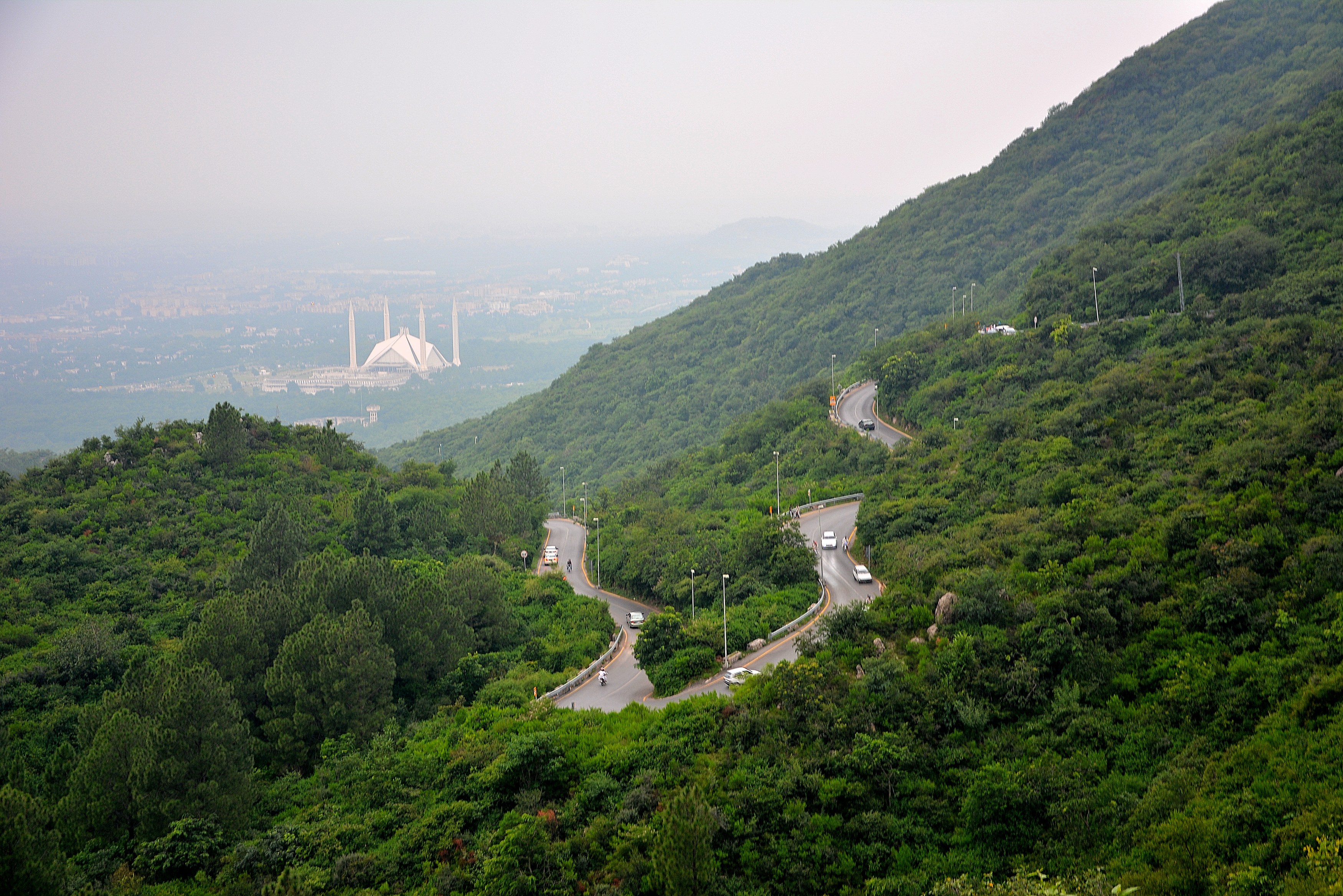
Flight or road arrival. Islamabad hotel near the airport or in the diplomatic enclave area.
Day 2: Islamabad to Taxila
Altitude: 549m | Drive 35km, full day at Taxila sites
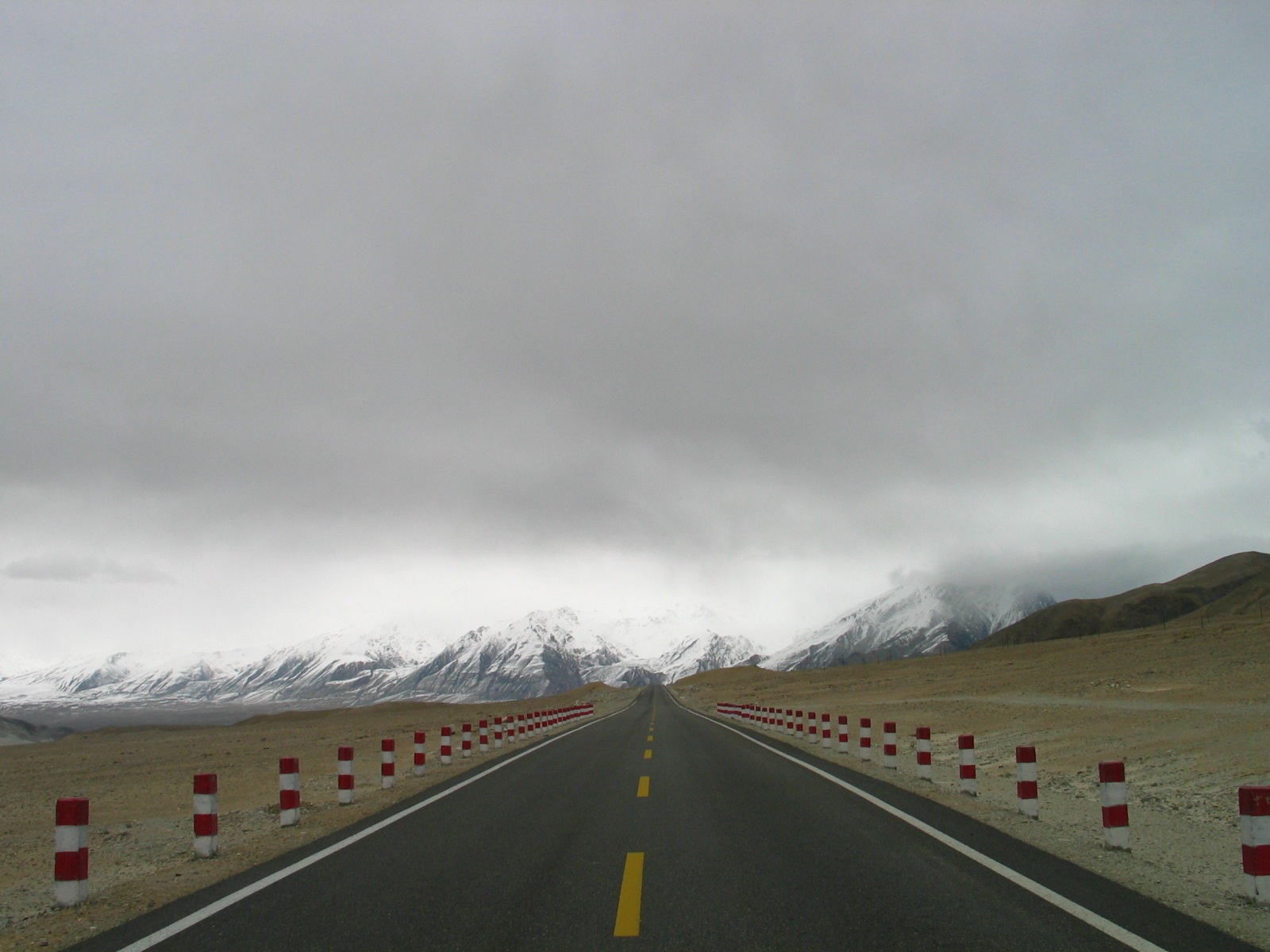
Taxila is 35km from Islamabad, about 40 minutes. The museum opens at 9 a.m. Spend 2 hours in the museum first, then the Dharmarajika stupa complex, then Sirkap (Greek-period city layout). The Jaulian monastery site is 8km further and takes 30 minutes to walk through.
Day 3: Taxila to Peshawar
Altitude: 327m | Drive 175km (2.5 hrs), afternoon in old city
Two-hour drive northwest to Peshawar. Peshawar Museum in the afternoon for the second major Gandhara collection. The museum building itself is a handsome colonial structure worth photographing from outside.
Day 4: Full Day Peshawar Old City
Altitude: 327m | Deep dive into the historic quarter
Qissa Khwani Bazaar takes a full morning to walk properly: narrow streets, fabric traders, dry fruit sellers, copper smiths. Wazir Khan Mosque and the Cunningham Clock Tower. Afternoon: Balahisar Fort visible from the outside. End the day with Peshawari chapli kebab at a local restaurant.
Day 5: Peshawar to Islamabad, Depart
Altitude: 507m | Drive 175km, departure
Two-hour drive back to Islamabad. Airport or onward.
Highlights
- Taxila ruins: Dharmarajika, Sirkap, and Jaulian sites, each representing a different phase from Greek to Kushana periods across six centuries of occupation.
- Taxila Museum with one of the finest collections of Gandhara Buddhist sculpture in Pakistan, including fasting Buddha figures and narrative friezes.
- Qissa Khwani Bazaar in old Peshawar, the bazaar of the storytellers, on the Grand Trunk Road route between India and Afghanistan.
- Peshawar Museum for additional Gandhara collection and a Sikh-era military artifacts section.
- Wazir Khan Mosque Peshawar, a 17th-century Mughal mosque in the old city, less famous than the Lahore version and less crowded.
Included/Excluded
Private vehicle with driver for all transfers: Islamabad, Taxila, Peshawar, and return
All accommodation: 1 night near Taxila, 2 nights in Peshawar, 1 night Islamabad
All meals from Day 1 dinner through Day 5 breakfast
Licensed heritage guide with Taxila and Peshawar site expertise
All entrance fees: Taxila Museum, Dharmarajika, Sirkap, Jaulian, Peshawar Museum
Peshawar old city walking tour with local area guide
International flights and Pakistan visa
Travel insurance
Personal shopping and optional meals outside the included plan
Guide gratuity
Things To know
What to Buy in Peshawar
Peshawar is one of the best cities in Pakistan for traditional crafts. The old bazaar areas around Qissa Khwani carry carpets and rugs from the Afghan border trade, embroidered Pashtun cloth, copper and brass work, dried fruits and nuts from Central Asia, and replica Gandhara coins and artifacts. Genuine antique artifacts cannot be exported legally. The guide can advise on reputable shops and fair pricing in the bazaar areas.
Food in Peshawar
Peshawar is considered the best city in Pakistan for traditional Pashtun food. Namak Mandi (the Salt Market area) is the main food street, serving chapli kebab, lamb karahi, and Peshawari naan. Breakfast in the old bazaar includes Peshawari channay (spiced chickpeas) and deep-fried bread, a tradition going back centuries. All meals on the tour are included but the guide will point out the best street food stops along the route.
FAQs
Is Peshawar safe for tourists?
The main tourist areas of Peshawar including the old city bazaars, museum, and historic mosques are now significantly safer than in the 2008-2014 period. Foreign tourists visit regularly. Normal awareness applies: stay in the defined tourist areas, follow your guide's advice, avoid political demonstrations. Your guide will advise on any areas to avoid.
How much of the Taxila site is excavated?
Taxila has been partially excavated since British-era surveys in the late 19th century with systematic work by Sir John Marshall beginning in 1913. The three main sites cover a large area and the excavated portions are accessible. Budget 4-5 hours for a reasonable overview of the major sites.
Can I extend to include the Khyber Pass?
The Khyber Pass road from Peshawar requires a permit from the local administration. We can arrange this as an extension. The pass road is dramatic: switchbacks through the tribal area with Fort Bara and the old Khyber Railway visible. The actual Afghanistan border at the top is not open to tourists.
What is the Gandhara art tradition?
Gandhara refers to the ancient region covering present-day Khyber Pakhtunkhwa and eastern Afghanistan. The Gandhara school of art developed under Greek, Persian, and Kushana influence from around the 1st century BCE to 7th century CE. It produced the earliest figural representations of the Buddha in human form. The sculptors combined Hellenistic naturalistic technique with Buddhist religious content to create a distinct tradition that influenced Buddhist art across Asia.
Tour Location
Taxila, Punjab and Peshawar, Khyber Pakhtunkhwa, Pakistan
Reviews
0/5
Not Rated
Based on
0 review
Excellent
0
Very Good
0
Average
0
Poor
0
Terrible
0
No Review
16%
from
$600
$500
from
$600
$500