Snow Leopard Safari Baltistan
Hushe Valley and Deosai, Gilgit-Baltistan, Pakistan
0/5
0% of guests recommend
Duration
10 Days
Group Size
8 persons
Overview
About the Snow Leopard Safari Baltistan
The snow leopard is the most elusive large cat in the world. It inhabits the high rocky terrain of Central Asia and the Karakoram at altitudes between 3,000 and 5,000 metres, moving through terrain that defeats most predators and most trackers. Baltistan in northern Pakistan is one of the global strongholds for the species, with a population density that makes serious wildlife tourism viable. This safari is designed specifically around maximising your chances of seeing wild snow leopards in their natural habitat, supported by local trackers who have been watching these animals for decades.
The safari runs in winter, January through March, when snow leopards descend from their highest summer ranges to follow ibex and blue sheep herds to the lower valley walls. Winter is cold, often minus 15 to minus 20 Celsius at night in the search zones, and the conditions require proper expedition clothing. The reward is the possibility of seeing one of the most beautiful animals in existence in a landscape of Karakoram peaks and winter snow that is itself extraordinary.
Search Areas and Wildlife
The primary search areas are the rocky slopes and ridgelines above the Hushe Valley, the Shigar Valley, and selected areas of the Braldu Valley, all within a few hours' drive of Skardu. These valleys have known snow leopard territories that local herding communities have monitored for years. Many villages have community conservation agreements that protect snow leopards and create income for local communities through safari tourism. Your presence on this safari directly funds the conservation model that keeps snow leopards protected in these valleys.
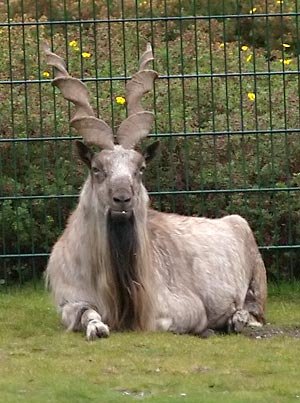
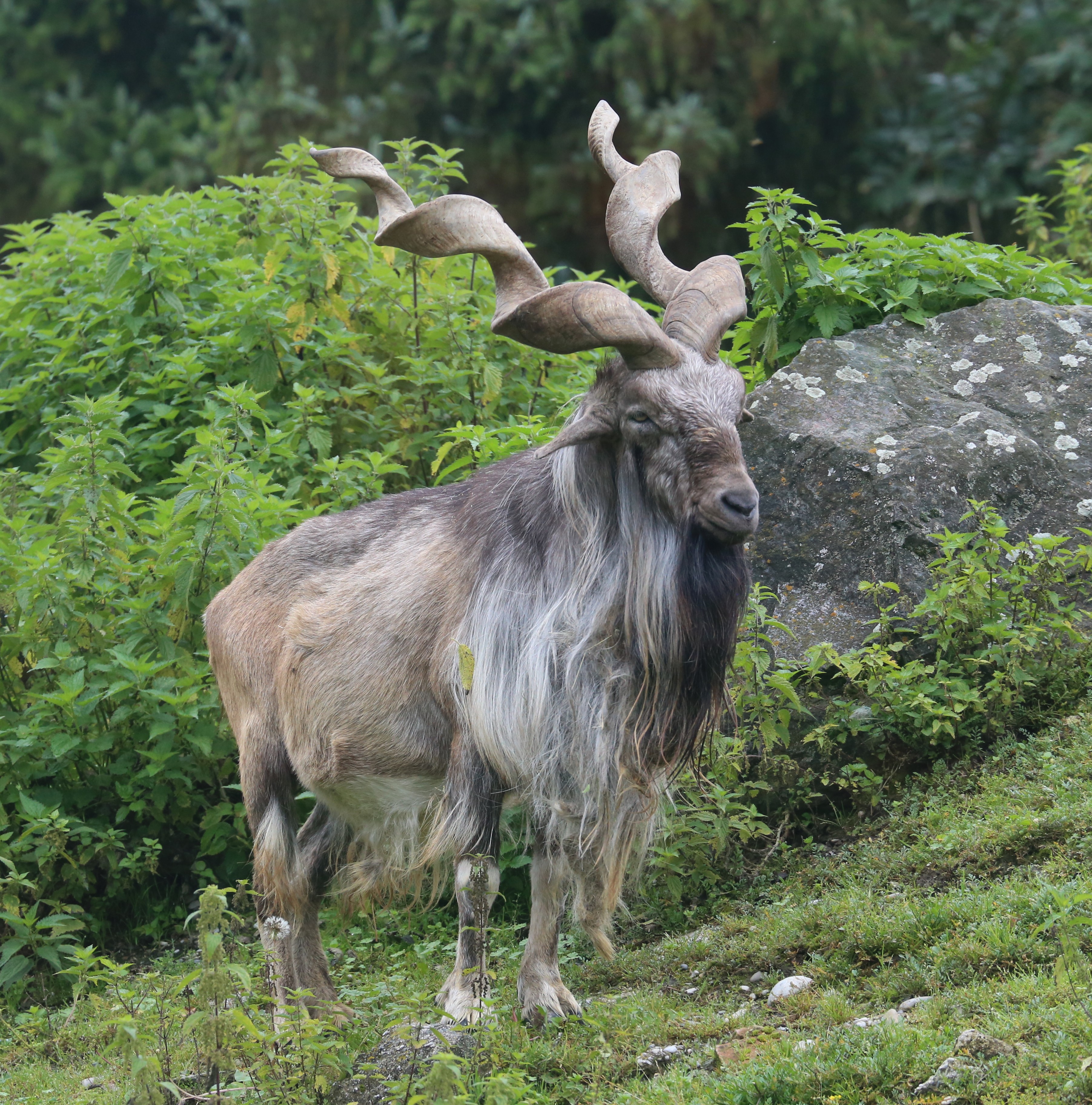
Beyond snow leopards the search zones hold substantial populations of Himalayan ibex, the primary prey species. Marco Polo sheep are present in some areas of Baltistan. Lammergeier vultures with their 2.5-metre wingspans are common year-round. Golden eagles hunt the lower slopes in winter. Red fox tracks in the snow are a frequent sign at lower elevations. Wolf packs occasionally move through the valley corridors.
Tracking Methods
The tracking team uses a combination of camera trap networks (the trap images tell the team where each individual leopard was last active), direct visual spotting with high-powered binoculars from elevated viewpoints, and snow tracking where fresh snowfall allows following prints. Your guide interprets the landscape from the tracker's perspective and teaches you to read the terrain the way a leopard uses it: the cliff bands used as travel corridors, the rocky overhangs used as shelter, the ibex grazing areas that concentrate leopard hunting activity. Even on days when no leopard is directly sighted, the process of tracking itself is a profound introduction to high-altitude wildlife ecology.
Best Season
January through March is the only season when snow leopard sightings are reliably possible for wildlife safari visitors. In the summer months the leopards range above 4,000 metres in terrain that is inaccessible without mountaineering equipment. Winter drives them to valley walls at 2,500 to 3,500 metres. February is statistically the best single month for sightings because the prey herds are at their lowest and most concentrated, and leopard territories are at their most active.
Physical Requirements
The Snow Leopard Safari requires moderate fitness rather than trekking endurance. The search pattern involves jeep transport to approach areas and then on-foot spotting walks of 3 to 6 hours across rocky winter terrain. The altitude of the search areas runs from 2,500 to 3,500 metres where the air is noticeably thin but not at the level of serious altitude risk for healthy adults. Cold weather management is the primary physical challenge: proper insulation layers, waterproof outer shells, and warm boots rated for minus 20 Celsius are essential. This is a wildlife safari, not a trekking expedition, but it takes place in conditions that demand winter expedition clothing.
Culture and Community
The Balti communities in the search valleys are full participants in the safari operation. Local trackers from herding families are paid as professional wildlife guides, a livelihood that makes snow leopard protection economically rational for people who historically lost livestock to leopard predation. Staying in local guesthouses in villages like Hushe and Saling puts you inside the community rather than outside it. Evening conversations with the tracker families about their knowledge of the leopards, which they often identify individually by spot patterns, are an unexpected dimension of the safari experience.
Why Choose This Safari
Wildlife safaris in Africa focus on accessible megafauna in flat terrain. This is different. The snow leopard safari in Baltistan combines some of the most dramatic mountain scenery in the world with the pursuit of an animal that genuinely requires effort, patience, and local expertise to find. The success rate for actual snow leopard sightings across our winter departures runs approximately 70 to 80 percent over a 7-day safari, which is high by global standards for this species. All local tracker fees, jeep transport, accommodation, and meals are included. Group size is capped at 8 for practical tracking logistics.
Customized/Private Groups PricingDiscount will be automatically applied during the booking process if the number of guests meets the criteria specified in table below.(currently discounts are applicable to private tours only)
| Solo Price | 2 to 4 Person | 5 to 8 Person | 9 to 20 Person |
|---|---|---|---|
| $3,000 | $2,000 | $1,600 | $1,500 |
Itinerary
Day 1: Arrival in Islamabad
Altitude: 508 m | Accommodation: Hotel
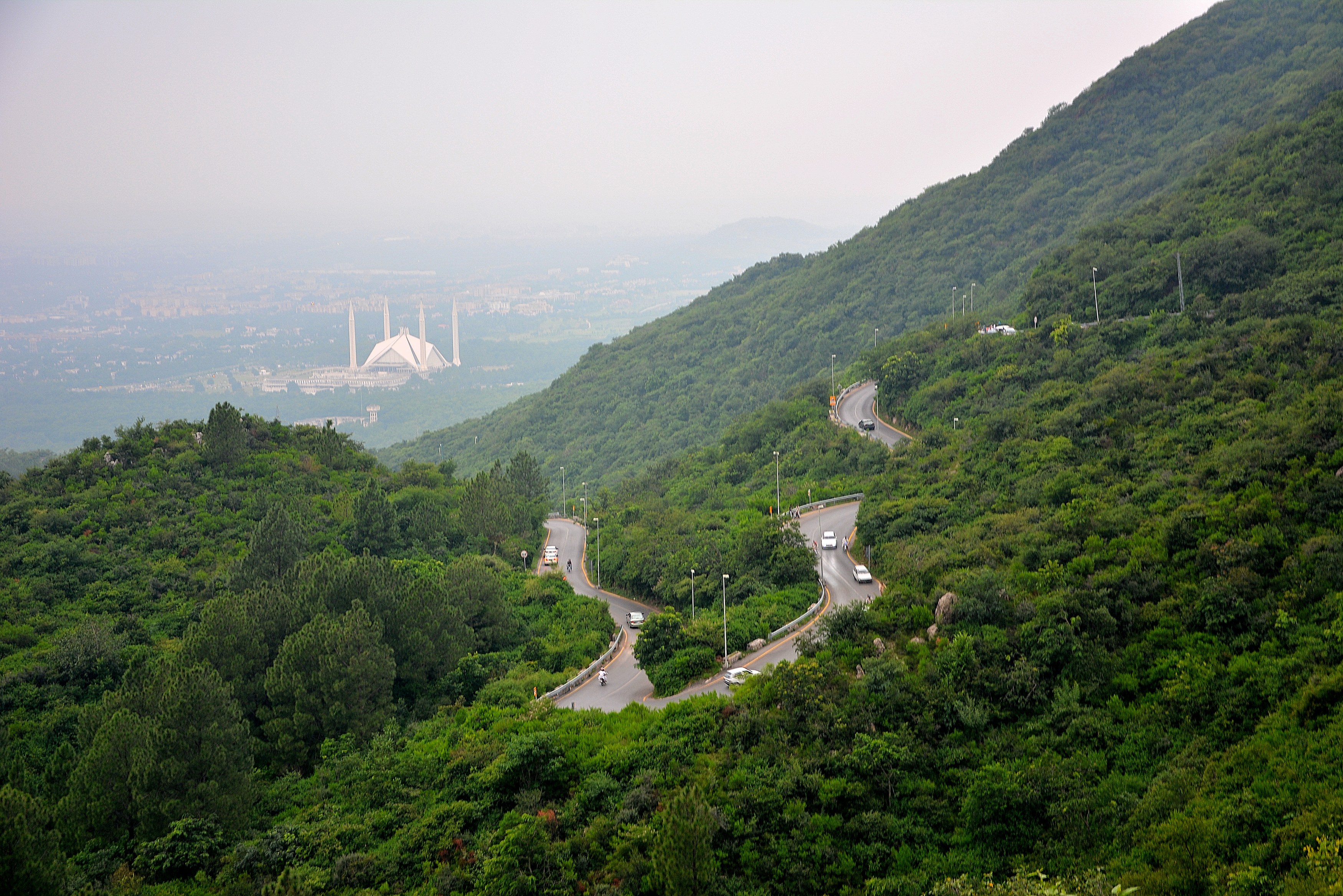
You arrive in Islamabad and meet your World of Mountain guide at the airport. Transfer to your hotel takes 45 minutes. Tonight there is a briefing dinner where the guide explains the safari plan, the wildlife behaviour patterns to watch for, and how the tracker team operates. Early starts begin from day two so sleep early.
Day 2: Fly Islamabad to Skardu
Altitude: 2,228 m | Accommodation: Hotel
Morning flight from Islamabad to Skardu at 2,228 metres. The flight takes one hour. After arriving you rest at the hotel for the afternoon. Skardu is the base for the Baltistan region. In the evening your guide briefs you on the Hushe Valley area and what conditions to expect. Check your binoculars and camera gear tonight.
Day 3: Drive Skardu to Hushe Valley
Altitude: 3,100 m | Accommodation: Guesthouse
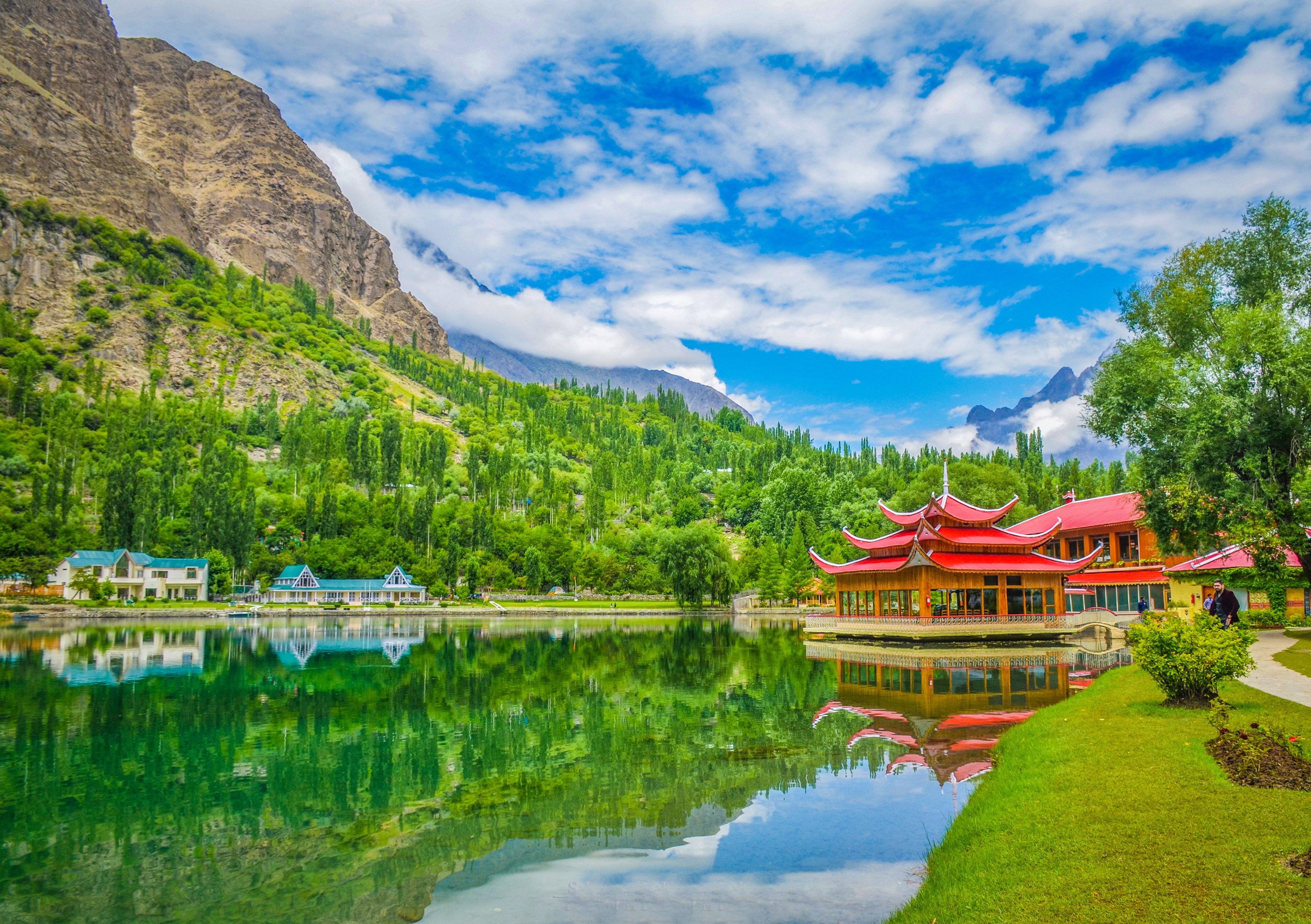
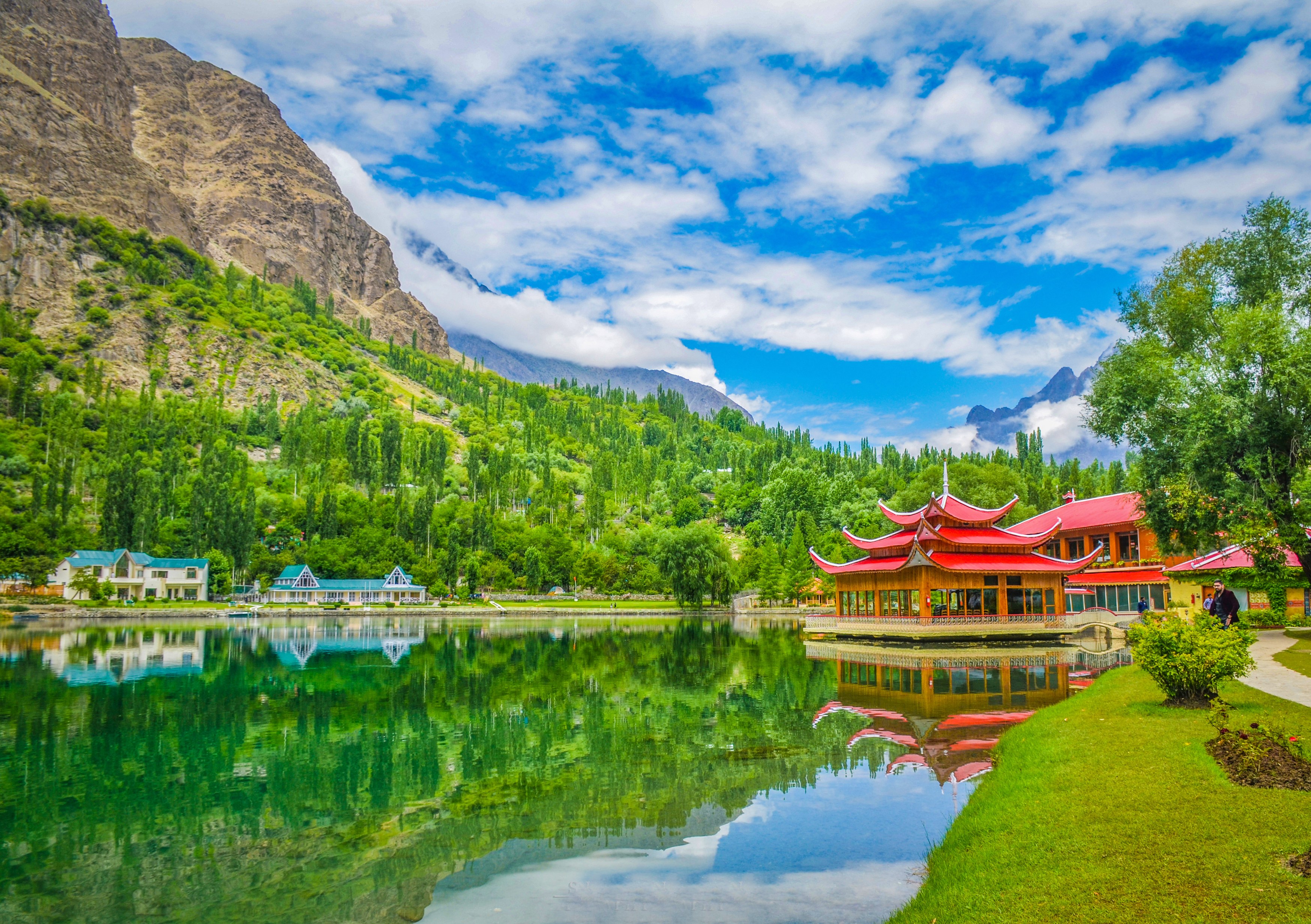
You drive east from Skardu toward Hushe Valley, about three to four hours on a mountain road that improves as you approach the village. Hushe sits at the foot of Masherbrum and K6 at roughly 3,100 metres. The valley is known to wildlife researchers as good snow leopard habitat. You check into a local guesthouse and meet the wildlife tracker team this afternoon.
Day 4: Wildlife Tracking in Hushe Valley
Altitude: 3,500 m | Accommodation: Guesthouse
First wildlife tracking day. You are up before dawn, usually by 5 AM. The trackers position you on high ground overlooking rocky slopes where snow leopards hunt blue sheep and ibex. You sit with binoculars and scan the terrain for movement. Patience is everything. You may see tracks, scrapes, or the animal itself. The day also brings sightings of golden eagles, bharal, and ibex almost certainly.
Day 5: Snow Leopard Search - Upper Valley
Altitude: 3,800 m | Accommodation: Guesthouse
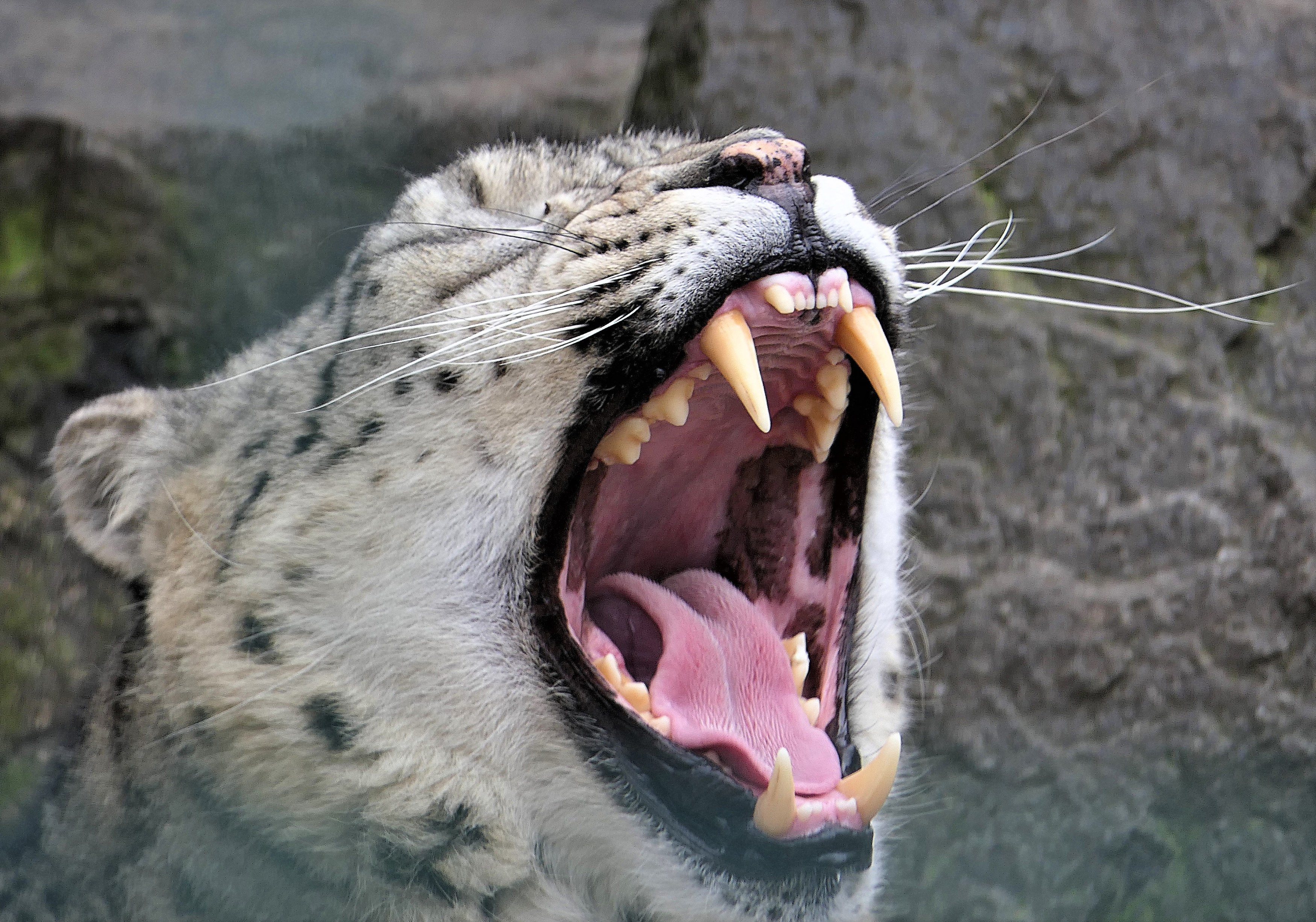
Second full day of snow leopard searching in the upper valley. You move to different observation positions based on tracker knowledge of recent activity. The trackers have often been working this valley for years and know individual animal territories. You may also walk to higher ground above 4,000 metres for a wider scan of the terrain. Dawn and dusk remain the key search hours.
Day 6: Continued Wildlife Observation
Altitude: 3,100 m | Accommodation: Guesthouse
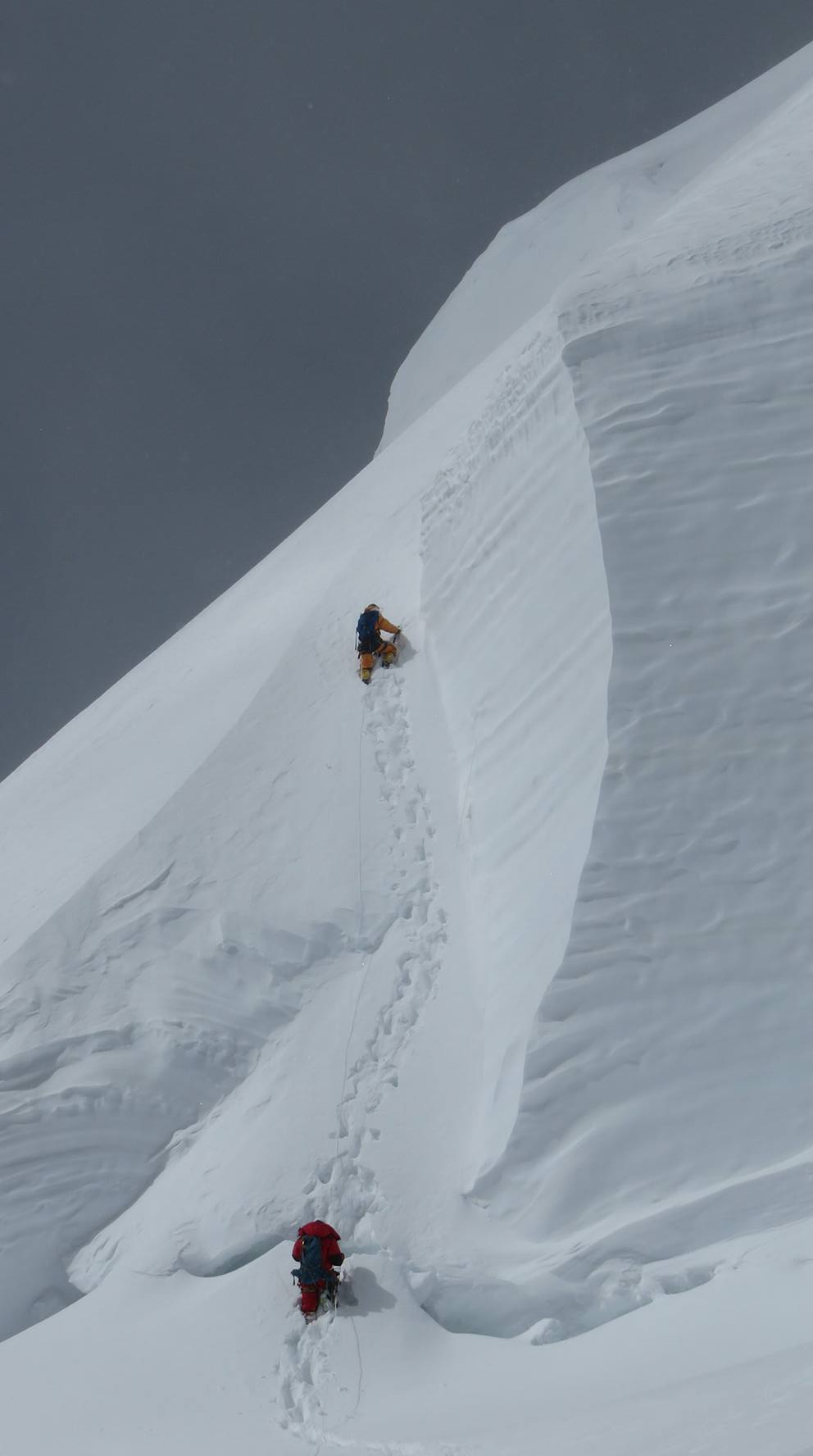
Continued wildlife observation. By day three in Hushe you have a feel for the rhythm of the search. Mornings are cold and active, midday is quieter, afternoons bring another opportunity around dusk. The valley itself is spectacular with Masherbrum and K6 visible above the tree line. Even without a snow leopard sighting, the experience of tracking in this landscape is memorable.
Day 7: Drive Hushe to Skardu
Altitude: 2,228 m | Accommodation: Hotel
You drive back from Hushe to Skardu today, arriving in the afternoon. Rest at the hotel and review photos from the past days. This evening your guide briefs you on the Deosai Plateau section of the safari which starts tomorrow. Deosai at 4,100 metres is a completely different landscape from Hushe Valley.
Day 8: Drive to Deosai National Park
Altitude: 4,114 m | Accommodation: Camp
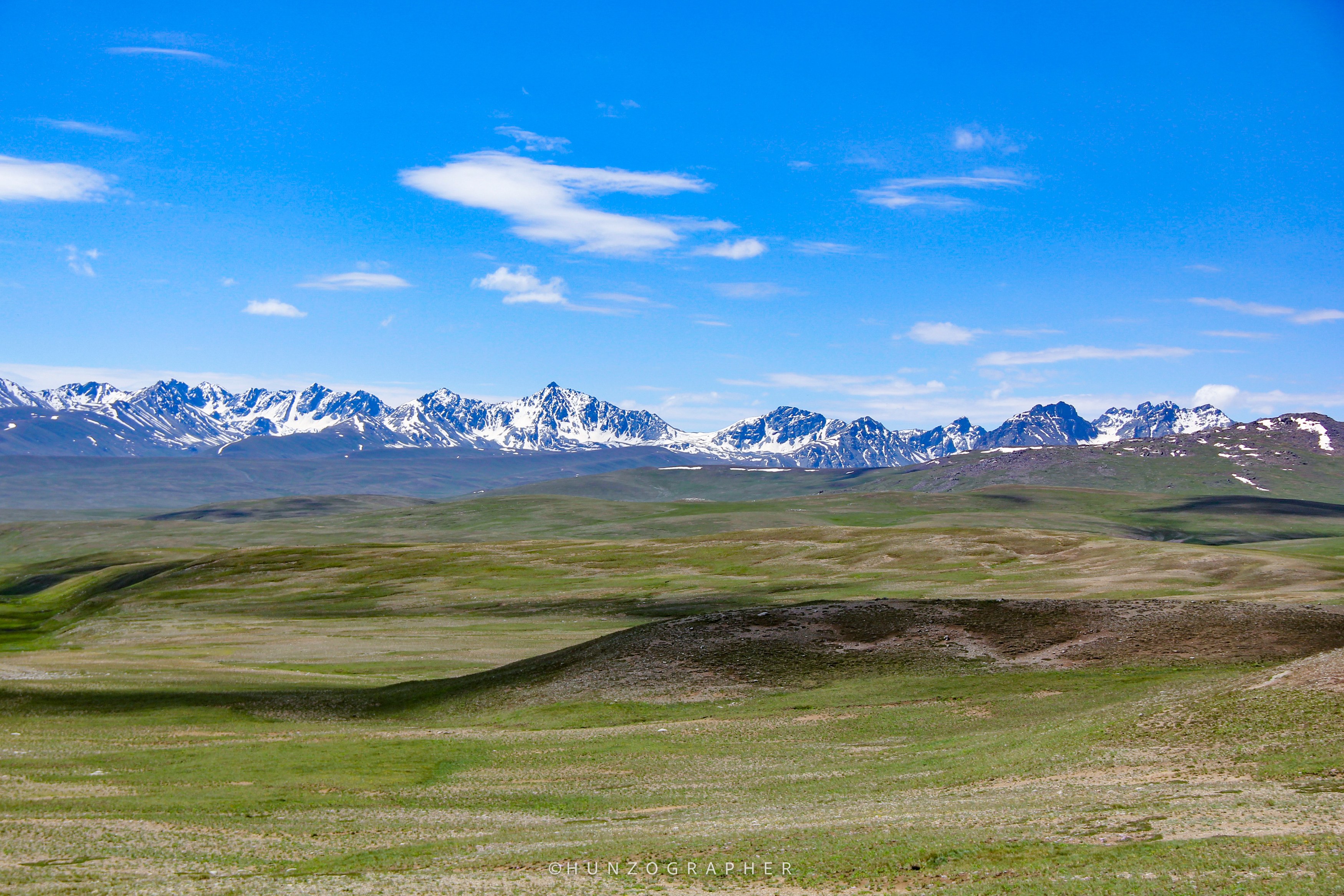
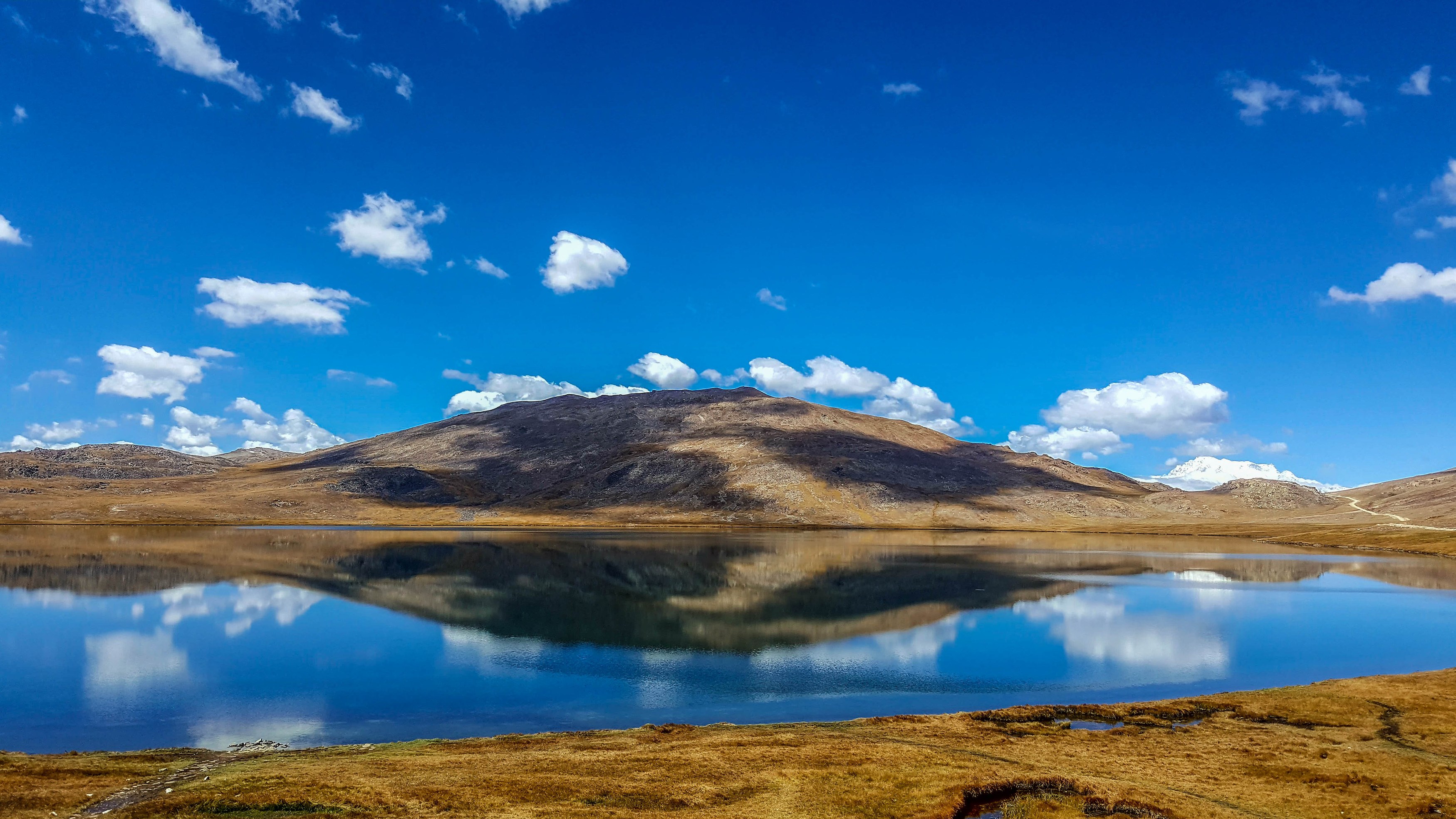
You drive from Skardu south to the Deosai National Park entrance, about two hours. The plateau opens suddenly after the climb from Skardu. Rolling grasslands stretch to the horizon with no trees and enormous sky. Brown bears are commonly seen grazing on the Deosai grasslands, particularly around Sheosar Lake. Set up camp near the lake this evening. The sunset over the plateau is remarkable.
Day 9: Deosai Wildlife and Sheosar Lake
Altitude: 4,114 m | Accommodation: Camp
Full day on the Deosai Plateau. You drive slowly across the park in a jeep, stopping whenever wildlife appears. Brown bears are the main target and sightings are frequent in summer and early autumn. Marco Polo sheep, wolves, foxes, and many bird species also live here. Sheosar Lake at 4,142 metres is one of the highest lakes in Pakistan and surrounded by grassland that wildlife uses heavily.
Day 10: Return to Skardu, Fly to Islamabad
Altitude: 508 m | Accommodation: Hotel/Departure
Morning bear watching session on the Deosai, then you drive back to Skardu for your afternoon flight to Islamabad. The flight takes one hour. From Islamabad international connections are available. If you have an early morning international departure, we arrange a hotel night in Islamabad. The 10-day snow leopard safari is complete.
Highlights
- Search for snow leopards in the Hushe Valley with professional wildlife trackers.
- Explore the Deosai Plateau, one of the highest plateaus in the world at 4,100 metres.
- Watch Himalayan brown bears in their natural habitat on the Deosai grasslands.
- Observe golden eagles, Marco Polo sheep, and blue sheep in the valley terrain.
- Experience pre-dawn wildlife tracking sessions with expert local guides.
- Drive through spectacular Karakoram mountain scenery to reach the search areas.
Included/Excluded
All accommodation (hotels in Islamabad and Skardu, guesthouse in Hushe, camping on Deosai)
All meals throughout the tour
Domestic flights Islamabad to Skardu return
Jeep transfers Skardu to Hushe Valley and Deosai National Park
Specialist wildlife guide and local Balti trackers
Deosai National Park entry permit
Spotting scopes and binoculars for wildlife observation
Camping equipment on Deosai (tents, sleeping mats, cook)
Airport and hotel transfers in Islamabad
International flights to and from Islamabad
Pakistan visa fee
Personal binoculars or camera equipment
Travel insurance
Tips for guides and trackers
Personal snacks and drinks beyond meals provided
Personal sleeping bag (recommended for Deosai camping)
Expenses due to flight cancellations
Things To know
Photography Tips
- Telephoto lens of 400mm minimum for wildlife photography
- Bring a tripod or beanbag for stable shooting at long focal lengths
- Dawn and dusk offer the best light and the most animal activity
- Cold temperatures drain batteries quickly. Carry spares in inner pockets
- Camouflage or dull-coloured clothing reduces disturbance to animals
Packing for the Safari
- Warm layers including a down jacket for cold mornings at viewpoints
- Waterproof jacket and trousers
- Sturdy hiking boots with ankle support
- Sleeping bag rated to -5C minimum for Deosai camping
- Personal binoculars (8x42 or 10x42 recommended)
- High-SPF sunscreen and UV-protective sunglasses
Travel Insurance
- Comprehensive travel insurance is required for all participants
- Policy must cover emergency medical evacuation from remote mountain areas
- Keep a copy of your insurance documents with you at all times
Responsible Wildlife Watching
- Keep a respectful distance from all wildlife at all times
- Follow your guide's instructions on approach distances and behaviour near animals
- Never use flash photography near wildlife
- Do not leave food waste anywhere in the national park
- Follow Leave No Trace principles throughout the tour
FAQs
Is a snow leopard sighting guaranteed?
No. Snow leopard sightings cannot be guaranteed because these animals are wild and extremely elusive. Sighting probability in Hushe Valley during October and November runs roughly 30 to 50 percent based on tracker experience. Even without a sighting, the tracking process and mountain wildlife are compelling throughout.
How fit do I need to be for this safari?
You need to be able to walk two to four hours per day on rough mountain terrain at altitudes between 3,000 and 4,500 metres. This is not an extreme trek but moderate fitness helps. The Deosai Plateau section is mostly by vehicle with short walks.
What is the best time of year for this safari?
October and November give the best snow leopard chances in Hushe Valley because prey animals are concentrated in the lower valley. June to September works better for Deosai brown bears. We can run the tour in either season depending on your priority.
What camera equipment is recommended?
Bring the longest telephoto lens you can carry, ideally 400mm or longer. A good tripod or beanbag makes long observation sessions much more comfortable. Binoculars are essential and should be at least 8x42. We can advise on specific equipment when you book.
How cold does it get at night?
Nights in Hushe Valley guesthouse sit around 5 to 10 Celsius in summer and below zero in October. On the Deosai Plateau at 4,100 metres, night temperatures drop to minus 5 even in August. Bring proper layering and a sleeping bag rated below zero.
Is the Deosai Plateau accessible all year?
The Deosai Plateau road opens in late June when the snow melts and closes again in October or November after the first heavy snowfall. Hushe Valley is accessible year-round by vehicle. We check road conditions before each departure and adjust the schedule if access is limited.
Tour Location
Hushe Valley and Deosai, Gilgit-Baltistan, Pakistan
Reviews
0/5
Not Rated
Based on
0 review
Excellent
0
Very Good
0
Average
0
Poor
0
Terrible
0
No Review
12%
from
$1,600
$1,400
from
$1,600
$1,400