Skardu & Katpana Desert Safari
Skardu, Gilgit-Baltistan, Pakistan
0/5
0% of guests recommend
Duration
6 Days
Group Size
14 persons
Overview
About the Skardu and Katpana Desert Safari
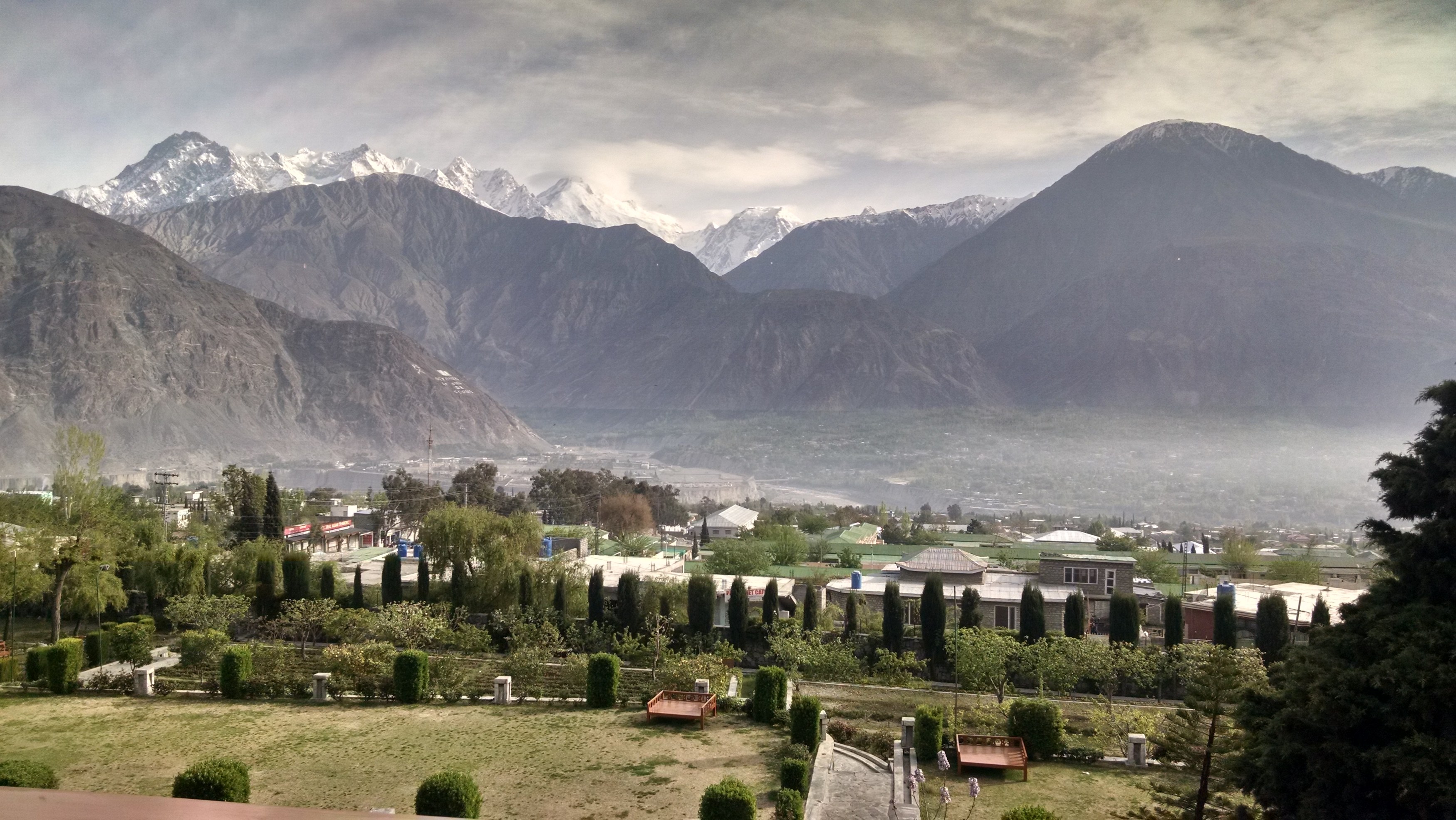
Skardu sits at 2,228 metres in the heart of Baltistan, at the confluence of the Indus and Shigar rivers, surrounded by mountains that rise to 5,000 to 7,000 metres in all directions. It is the primary gateway to the Karakoram's great trekking and mountaineering routes. What most travellers passing through Skardu on their way to the Baltoro do not realise is that the valley itself holds one of the most unusual natural landscapes in Pakistan: the Katpana Cold Desert, a sand dune field at 2,226 metres that is one of the highest cold deserts in the world. The Skardu and Katpana Desert Safari explores both the heritage of Skardu town and the extraordinary landscape of the Katpana Desert in a 6-day programme.
The safari combines the Skardu Valley's cultural heritage, including the Kharpocho Fort, the ancient petroglyphs of the upper Indus, and the Shigar Heritage Hotel complex, with the distinctive sand and dune landscape of Katpana and the nearby Satpara Lake.
Key Destinations
Kharpocho Fort perches on a natural rock outcrop above the Indus River at Skardu, a 16th-century Balti fortification commanding the river approaches from all directions. The fort is partially ruined but the walk to the summit and the view over the wide Skardu Valley and the converging river systems is one of the finest available in the region. The Shigar Palace and Fort, 25 kilometres from Skardu in the Shigar Valley, is a 400-year-old royal complex of the Shigar Rajas that has been meticulously restored by the Aga Khan Cultural Service and now operates as a heritage hotel and museum.
The Katpana Cold Desert
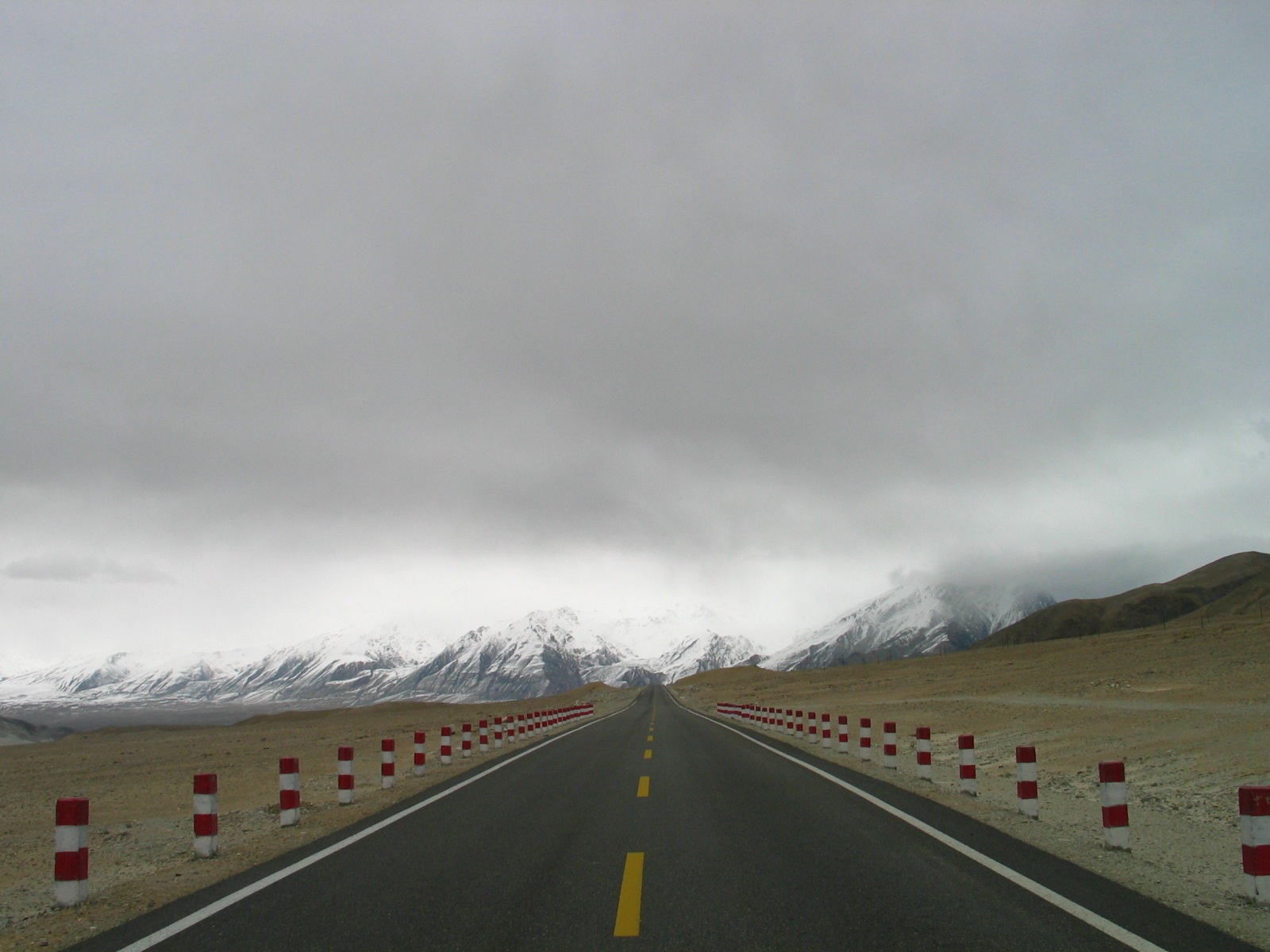
The Katpana Cold Desert stretches over 20 kilometres east of Skardu town and is a genuine sand dune field formed by wind erosion from the wide Indus valley floor. The dunes rise 15 to 30 metres above the surrounding flat land and their sand contrasts dramatically with the snow-covered peaks visible in all directions. The combination of desert sand, river floodplain, and Karakoram glacier peaks in a single landscape photograph is one of the most unusual images from Pakistan. Early morning and late afternoon light gives the dunes the warm tones associated with Saharan desert photography.
Best Time to Visit
April through October. Summer months (June to August) are warm in Skardu with clear visibility for mountain views. Spring (April to May) brings green to the valley floor while the peaks remain snow-covered. Autumn (September to October) offers excellent photography light and comfortable temperatures. Winter closes the Skardu road periodically and the KKH can be subject to snow.
Physical Requirements
The safari is accessible to all healthy adults. Walking involves monument climbs of 30 to 60 minutes and optional dune walking at Katpana (moderate effort on soft sand). No trekking fitness required.
Why Choose This Safari
The Skardu and Katpana Desert Safari offers a completely different face of Pakistan's mountain north: the cultural heritage, architectural legacy, and natural desert landscape that surrounds the Karakoram gateway. It works as a standalone experience or as a cultural add-on before or after a trekking expedition in the region. All transport, accommodation, guide, and meals from Skardu are included.
Customized/Private Groups PricingDiscount will be automatically applied during the booking process if the number of guests meets the criteria specified in table below.(currently discounts are applicable to private tours only)
| Solo Price | 2 to 4 Person | 5 to 8 Person | 9 to 20 Person |
|---|---|---|---|
| $1,400 | $900 | $700 | $700 |
Itinerary
Day 1: Fly Islamabad to Skardu
Altitude: 2,228m | Flight 90 min, city arrival
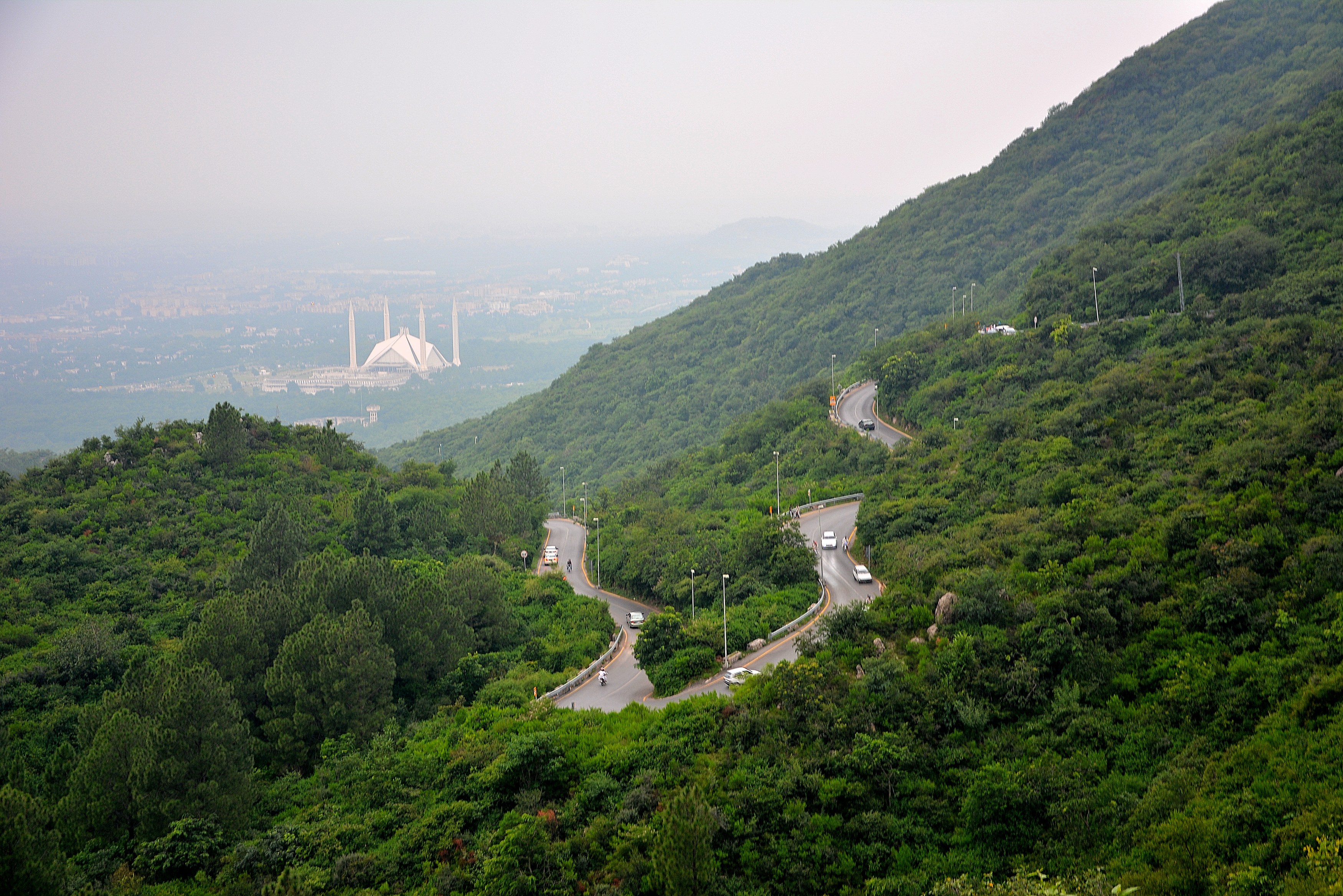
Skardu flights are early morning on PIA. The flight is 55 minutes. From the airport you can see the Karakoram to the north and the Deosai escarpment to the southeast. Check in and walk the bazaar. The old city area near the Indus is worth an afternoon.
Day 2: Kharpocho Fort and Skardu City
Altitude: 2,228m | Fort visit and city exploration
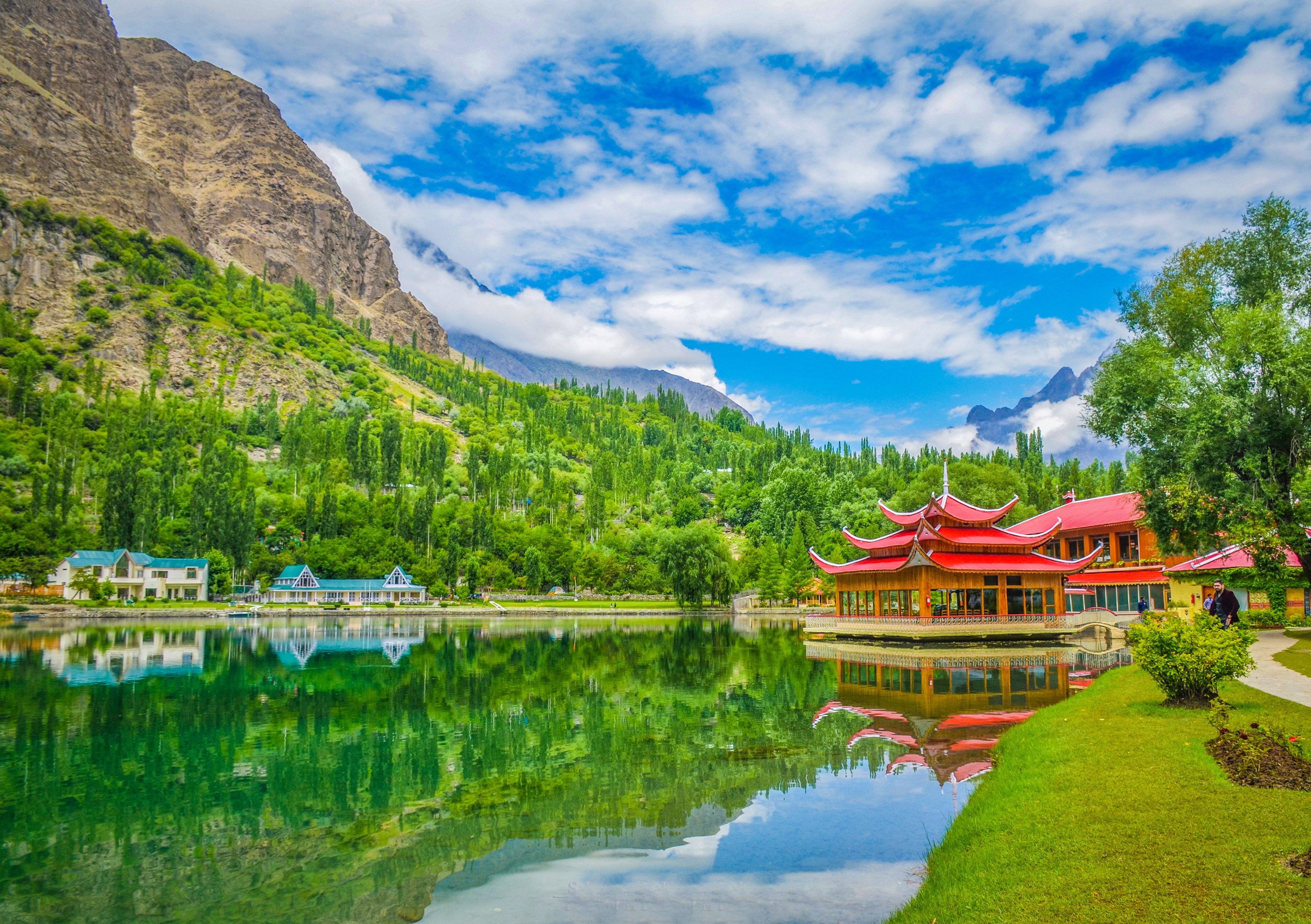
The fort is 20 minutes' drive and 30 minutes' climb above the town. Morning light is better for photography. The fort is partly restored and partly original stonework from the 16th century. Afternoon: Satpara Lake, 8km from Skardu. The lakeshore walk takes 30 minutes.
Day 3: Katpana Cold Desert
Altitude: 2,300m | Desert walk and dune photography
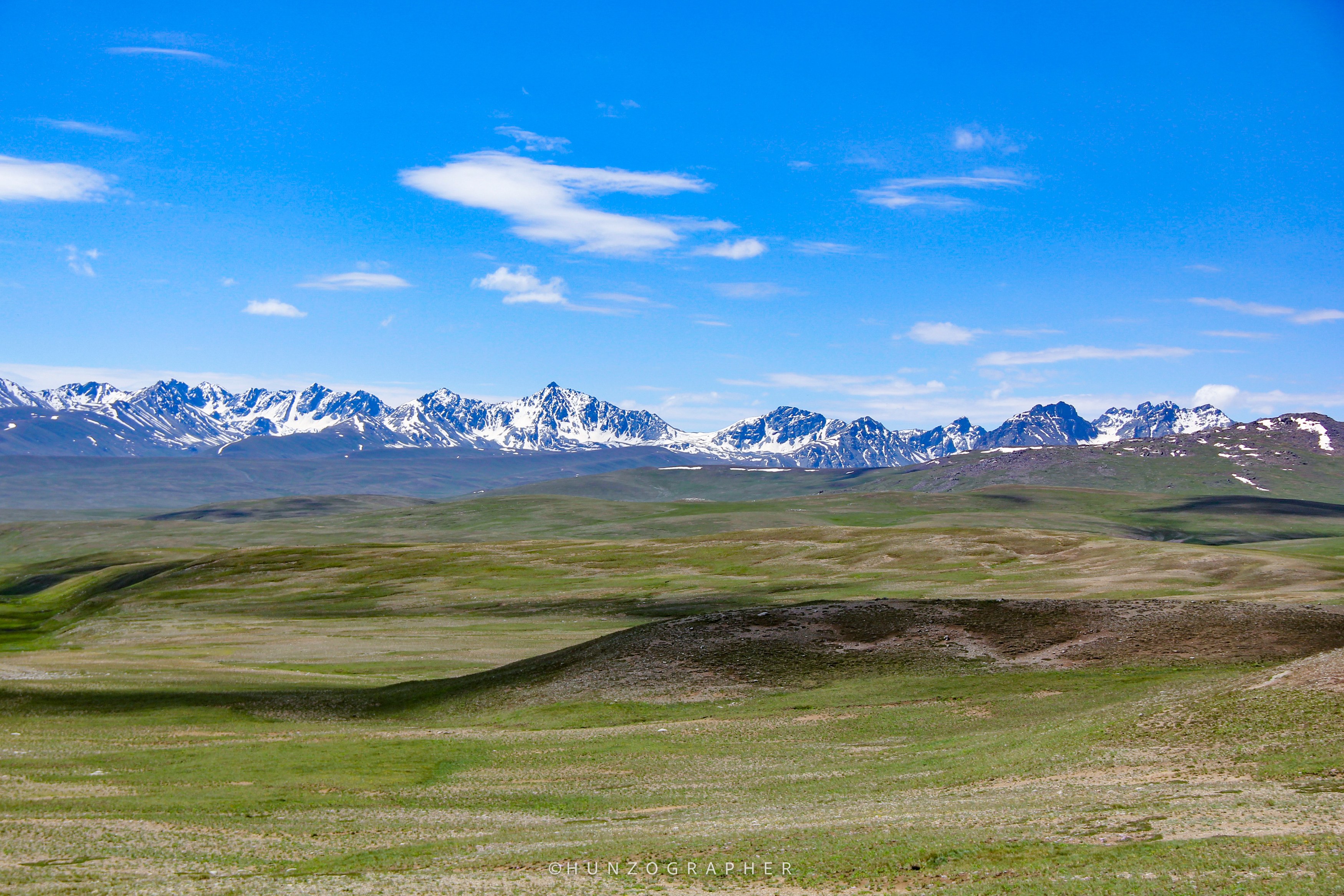
Forty minutes by vehicle from Skardu. The dunes reach 20-30 metres high and are accessible by walking from the road. The surrounding peaks create a visual dissonance that is worth sitting with for a while.
Day 4: Deosai Plains Entry and Sheosar Lake
Altitude: 4,114m | Drive to plateau, wildflower meadows
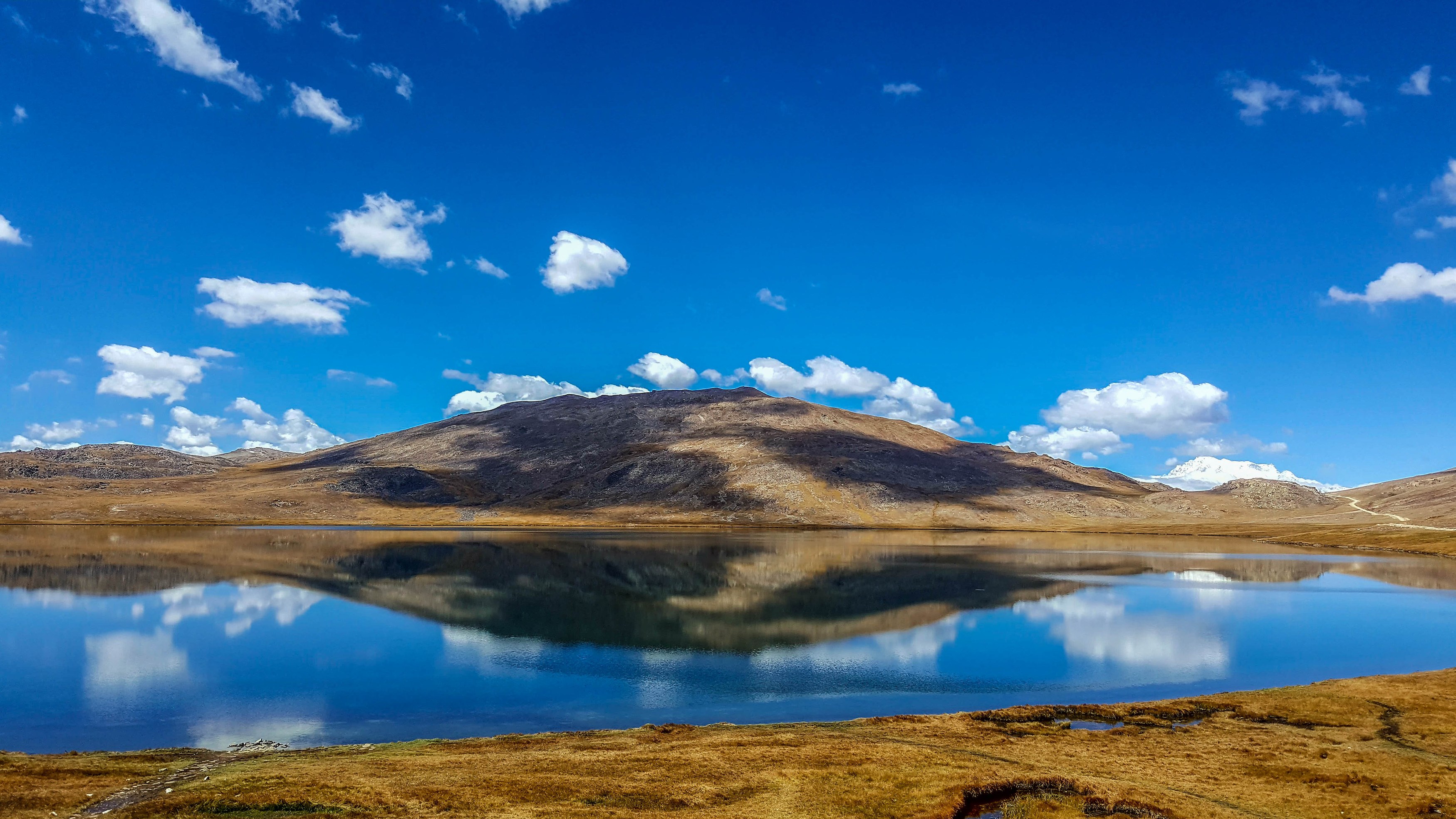
The road from Skardu to the Deosai rises steeply and enters the plateau world after about 45 minutes. Sheosar Lake is 2 hours from Skardu by vehicle. Overnight camping on the plateau at a designated campsite with a cook.
Day 5: Satpara Lake and Shangrila Resort
Altitude: 2,636m | Lake walk and valley drive
Return from Deosai in the morning when the brown bear and Marco Polo sheep are most active. Afternoon: Shangrila resort at Lower Kachura Lake, 28km from Skardu on a good road.
Day 6: Fly Skardu to Islamabad
Altitude: 507m | Flight 90 min, tour ends
Morning flight. Book the earliest slot available because afternoon weather frequently prevents flying out of Skardu.
Highlights
- Katpana Cold Desert, Pakistan's only significant sand desert above 2,000 metres, with dunes against a backdrop of snow peaks that make no immediate sense visually.
- Deosai Plains overnight at 4,000m, the second-highest plateau in the world with Himalayan brown bear, Marco Polo sheep, and the highest fox population in Asia.
- Kharpocho Fort above Skardu, a Balti royal fort from the 16th century with views down the Indus valley from the summit ramparts.
- Sheosar Lake at 4,142m on the Deosai, a glacial lake in the middle of the plateau with excellent morning reflection photography when the water is still.
- Shangrila Resort at Lower Kachura Lake, famously set around a lake among low hills 28km from Skardu.
Included/Excluded
Return flights Islamabad to Skardu (both directions)
All ground transport in and around Skardu for all excursions
All accommodation: hotel in Skardu (5 nights)
All meals from Day 1 dinner through Day 6 breakfast
English-speaking guide with Skardu and Baltistan cultural knowledge
Kharpocho Fort entry fee
Deosai National Park entry fee (for the plateau entry point drive)
Satpara Lake excursion transport
International flights to and from Pakistan
Pakistan visa and travel insurance
Personal snacks and beverages beyond included meals
Tips for guide and drivers
Any personal purchases in the Skardu bazaar
Things To know
The Baltistan Region
Baltistan is the southernmost district of Gilgit-Baltistan and the most geographically dramatic, occupying the deep Indus and Shigar valleys surrounded by the highest concentrations of 8,000-metre peaks on Earth. The Balti people speak Balti, a Tibetan dialect, and are predominantly Shia Muslim. The culture retains strong Tibetan Buddhist visual elements in its woodcarving traditions, architecture, and place names despite the Islamic conversion that occurred in the 15th and 16th centuries.
Skardu city carries this cultural complexity in its fabric: the old bazaar has the compact density of a Central Asian trading town, the fort on the rock above reflects the military history of a frontier kingdom, and the expedition culture that has built up since the 1950s has added an international adventurer community to the mix. The result is a city that feels unlike anywhere else in Pakistan.
Travel Insurance and Practical Notes
- Standard travel insurance covering Pakistan and altitude up to 4,500 metres is adequate for this tour.
- The Deosai Plains drive reaches 4,114 metres. Altitude symptoms are possible at this elevation, particularly for visitors who flew in from sea level that same day. Drink water and rest if needed. This is the maximum altitude of the entire tour.
- Skardu has basic medical facilities adequate for common complaints. Serious medical emergencies require evacuation to Gilgit or Islamabad. The guide has emergency contact protocols for all contingencies.
- Weather: Skardu valley has a semi-arid climate with hot summers and cold winters. Bring a light fleece for the Deosai drive even in summer, as the plateau at 4,100 metres can be cold and windy.
FAQs
Is the Katpana Desert really a desert?
Yes. Katpana receives less than 200mm of rainfall per year and has genuine sand dunes reaching 20-30m. What makes it unusual is the altitude (2,226m) and the surrounding landscape of snow peaks. The juxtaposition is real. The desert forms because the Karakoram mountains to the north create a strong rain shadow effect.
What wildlife lives on the Deosai Plains?
The Deosai is the most important habitat for Himalayan brown bears in Pakistan. The population is estimated at 30-50 individuals and bear sightings from vehicles are reasonably common, especially in early morning. Marco Polo sheep, Tibetan wolf, and marmots are also present. Bird life includes golden eagle, upland buzzard, and various wading species at Sheosar Lake.
Can we combine this with a Baltoro trek?
Not in the same week, but yes in the same Pakistan trip. Skardu is the base for both the Deosai safari and the Baltoro approach. Many trekkers add 2-3 days of Skardu area sightseeing before or after their Baltoro trek.
Is the Skardu flight reliable?
The Skardu flight operates under visual flight rules and does not fly in cloud or strong wind. In July-August flights operate most days. In spring and autumn cancellations are more frequent. Morning slots have higher reliability than afternoon. Always budget a contingency day if you have an international connection.
What is Skardu's food scene like?
Skardu has improved significantly in the last decade. The main bazaar has Chinese, local Balti, and Pakistani restaurants. The best local food is chapsha (spiced meat stew), local bread, dried apricots, and walnut-based sweets. For the best local meal, ask your guide to take you to a family-run Balti restaurant in the old bazaar area.
Tour Location
Skardu, Gilgit-Baltistan, Pakistan
Reviews
0/5
Not Rated
Based on
0 review
Excellent
0
Very Good
0
Average
0
Poor
0
Terrible
0
No Review
17%
from
$750
$620
from
$750
$620