Rama Lake Astore Valley Trek
Rama Lake, Astore District, Gilgit-Baltistan, Pakistan
0/5
0% of guests recommend
Duration
8 Days
Group Size
16 persons
Overview
About the Rama Lake Astore Valley Trek
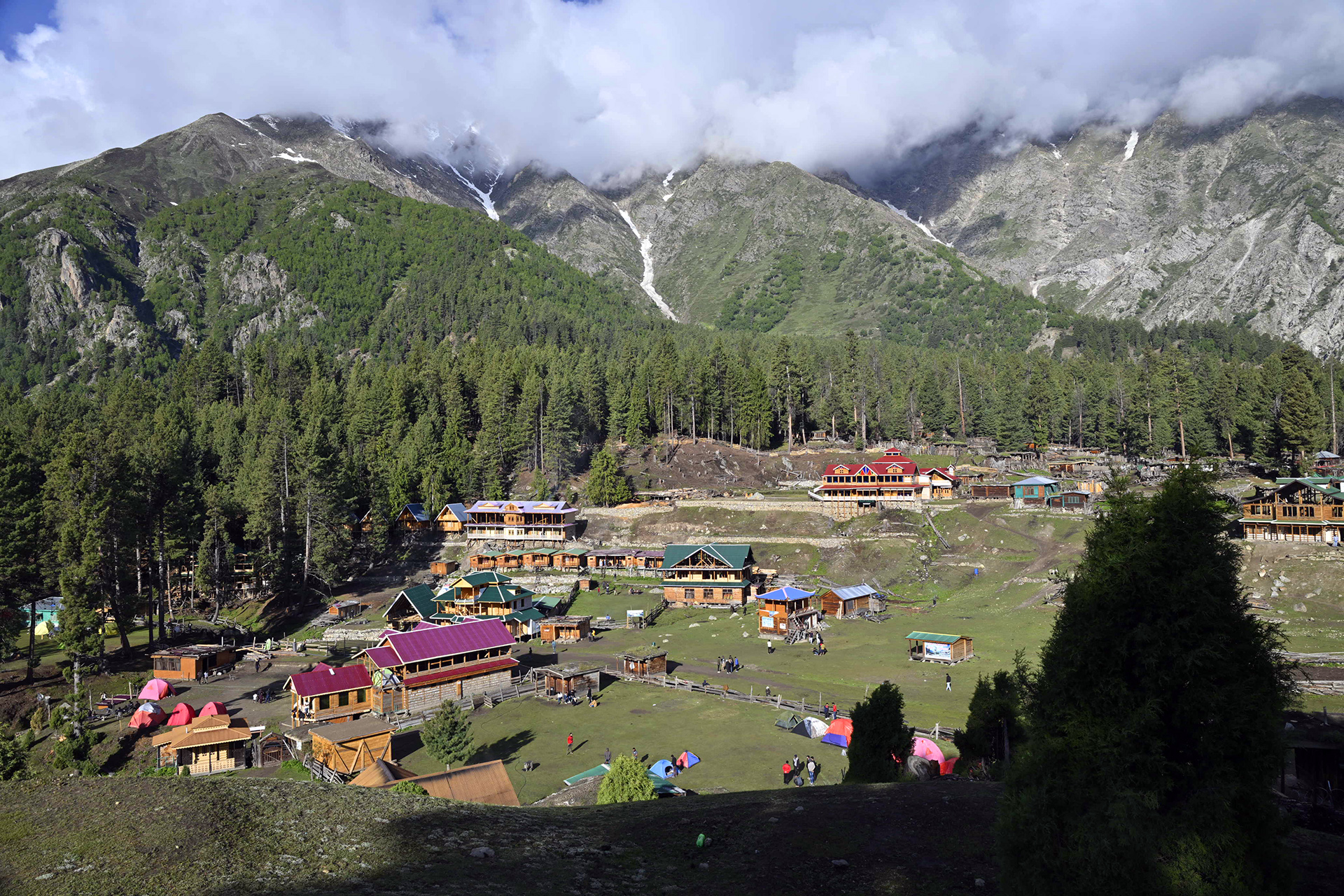
The Astore Valley in Gilgit-Baltistan is the eastern neighbour of Nanga Parbat and one of the most beautiful alpine valleys in Pakistan's north, less visited than Hunza but equally scenic in its combination of broad valley floors, mixed forest, and a mountain backdrop dominated by the enormous bulk of Nanga Parbat visible from multiple points along the valley. Rama Lake at approximately 3,500 metres sits in a side valley above the main Astore River, surrounded by dense pine and fir forest, with clear water reflecting the Nanga Parbat massif to the northwest. The Rama Lake Astore Valley Trek is an 8-day journey through the valley combining the lake, forest walking, and cultural engagement with the Shina-speaking communities of the Astore district.
The trek is moderate in difficulty and accessible to a wider audience than the high-altitude routes of the central Karakoram, making it one of the better first mountain treks in northern Pakistan for visitors who want genuine mountain experience without the logistical complexity of the Baltoro routes.
Route Overview
From Gilgit or Islamabad (via Chilas on the KKH) the drive to Astore valley floor takes approximately 5 to 6 hours. The valley road runs east through Rama village to the Rama forest rest house at approximately 3,000 metres. From Rama village the trail climbs through mixed pine and silver fir forest to Rama Lake at approximately 3,500 metres, a 2 to 3 hour uphill walk. The lake is set in an open meadow above the treeline with the Nanga Parbat summit group visible to the north. Extended days from the lake area push up to higher ridge viewpoints at 3,800 to 4,000 metres with views across to the Deosai Plateau and the Astore peaks.
Nanga Parbat from Rama
The view of Nanga Parbat from the Rama Lake area captures the mountain's southeast profile, a different and less-photographed angle than the north face (Rakhiot) or south face (Rupal) views. From Rama the mountain appears as a broad massif with multiple subsidiary summits and ridges rather than the single-faced profile of the other viewpoints. In clear weather the summit at 8,126 metres is visible above the intervening ridge from the high viewpoints above the lake.
Best Season
May through October. June and September are ideal months with the best combination of clear weather, comfortable temperatures, and moderate trail traffic. The Rama forest is at its most vivid green in June and July. The lake reflects well in still morning conditions throughout the trekking season.
Physical Requirements
Moderate. Daily walks of 3 to 5 hours on established forest trails with moderate altitude gain. The lake at 3,500 metres is accessible for most healthy adults with a half-day of acclimatization at the valley floor before ascending. Suitable for first-time mountain trekkers and family groups.
Why Choose This Trek
The Rama Lake Astore Valley Trek combines forest landscape, a beautiful high-altitude lake, and a different perspective on Nanga Parbat in an accessible and culturally rich valley that receives far fewer foreign visitors than the Hunza or Baltoro corridors. All transport from Gilgit or Islamabad, guide, cook, and accommodation in village guesthouses and rest houses are included.
Customized/Private Groups PricingDiscount will be automatically applied during the booking process if the number of guests meets the criteria specified in table below.(currently discounts are applicable to private tours only)
| Solo Price | 2 to 4 Person | 5 to 8 Person | 9 to 20 Person |
|---|---|---|---|
| $1,600 | $1,100 | $900 | $800 |
Itinerary
Day 1: Islamabad to Gilgit
Altitude: 1,500m | Road or flight
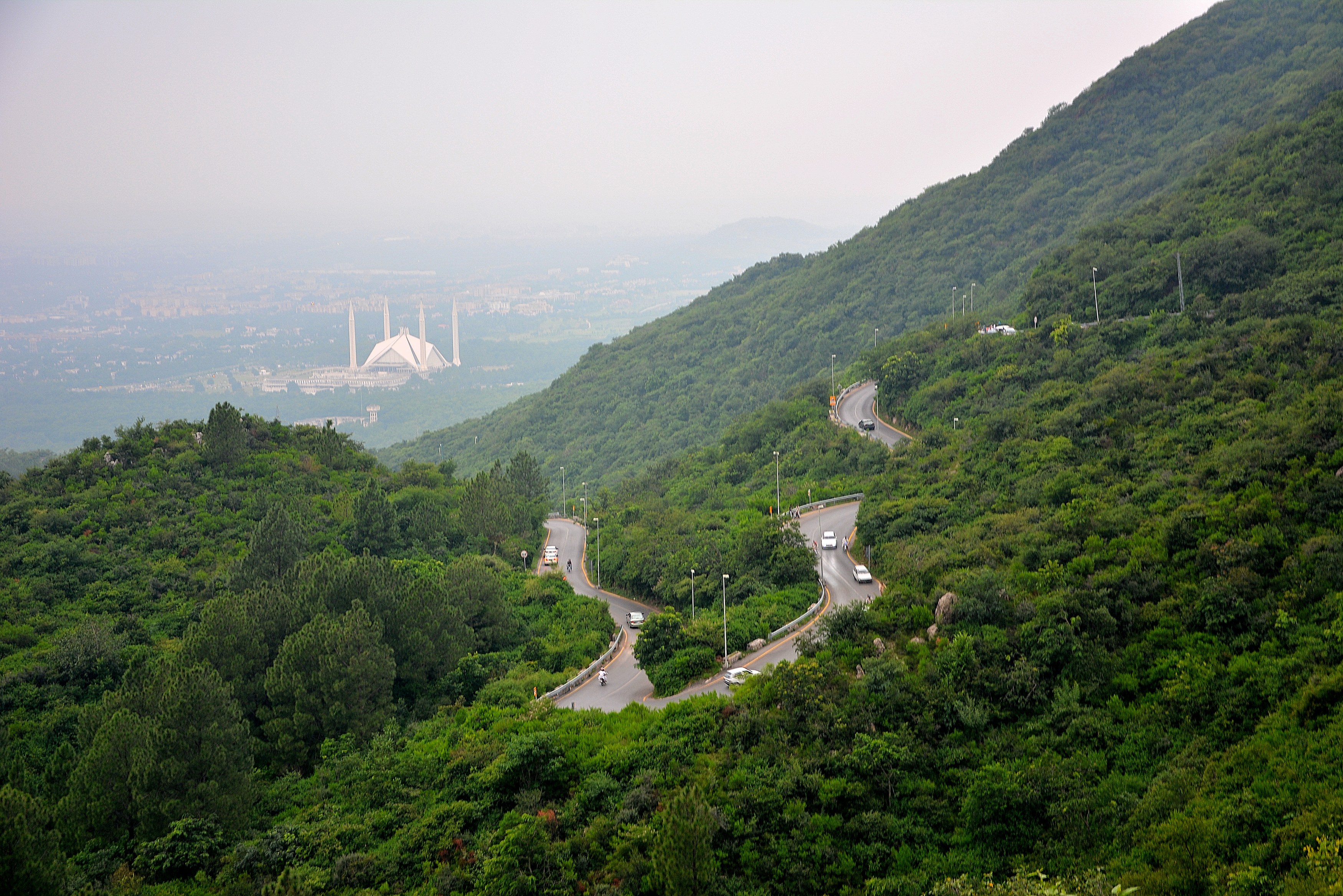
Fly 45 minutes from Islamabad to Gilgit.
Day 2: Gilgit to Astore
Altitude: 2,600m | Drive 3 hours via KKH junction
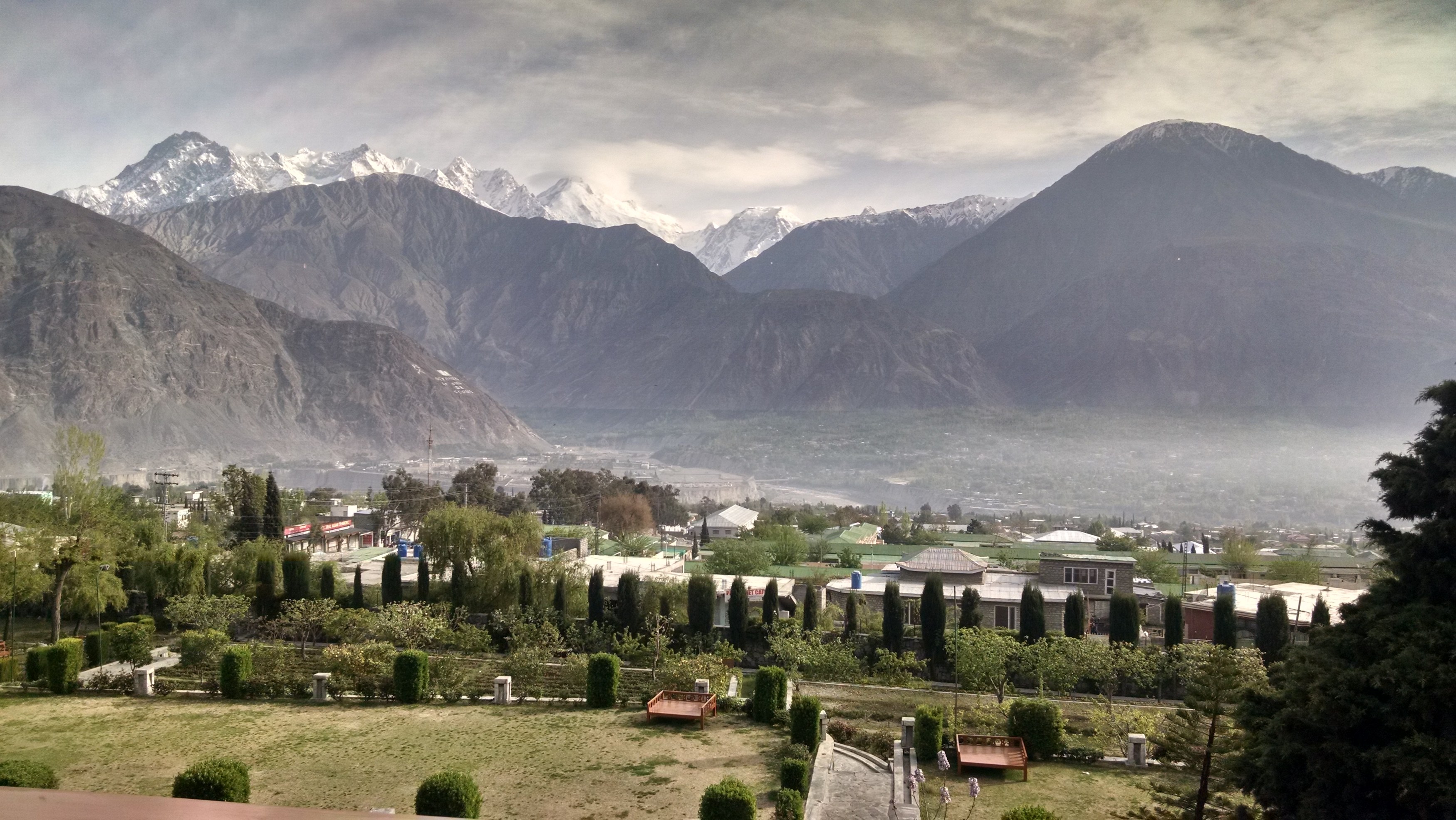
Drive 2-3 hours from Gilgit to Astore town through the Gilgit valley. Accommodation in Astore.
Day 3: Astore to Rama Lake
Altitude: 3,462m | Jeep 12km + walk 2 hours
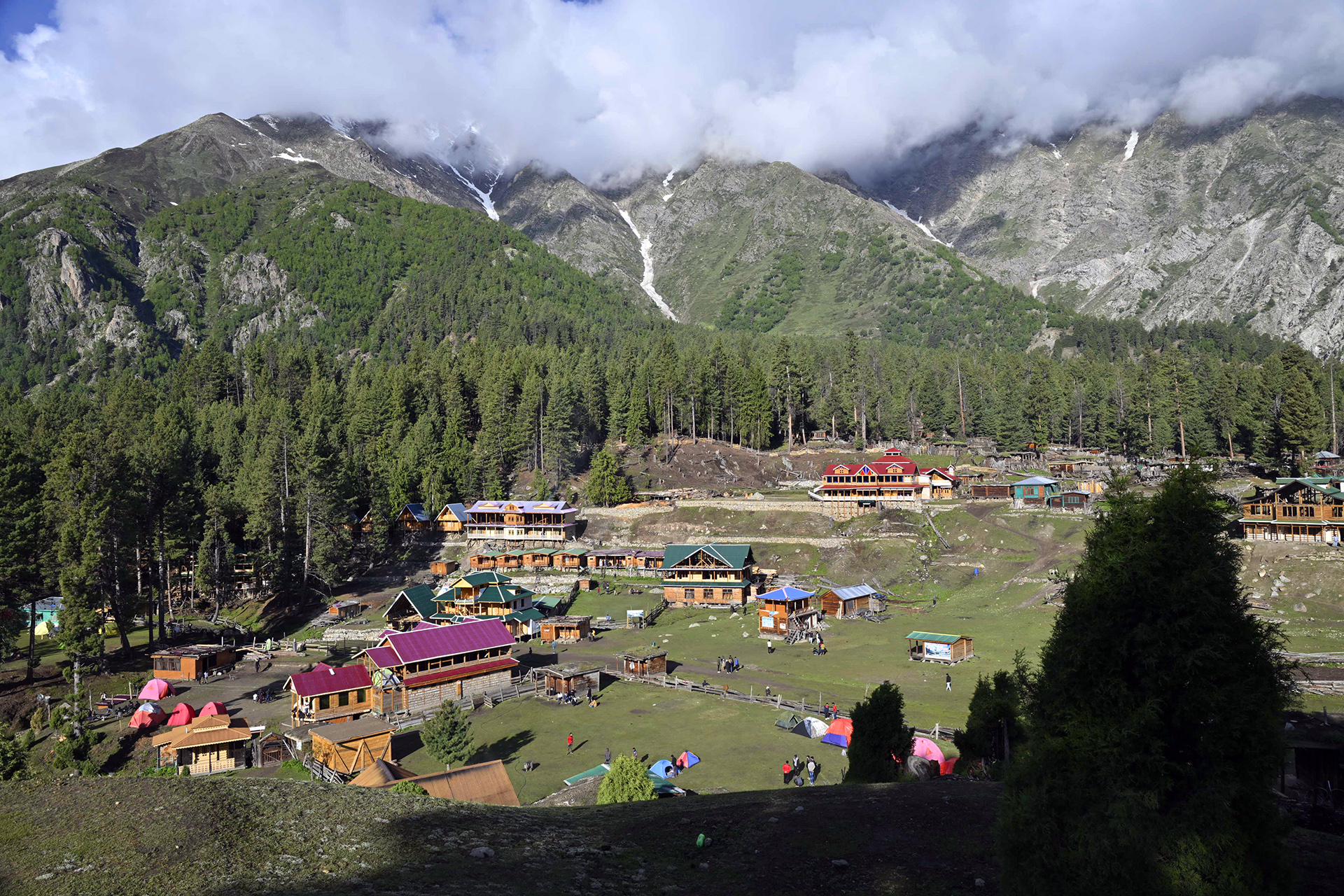
Drive to the road end then 3-4 hour walk through forest to Rama Lake at 3,462m. Camp at the lake.
Day 4: Rama Lake to Doian Meadow
Altitude: 3,800m | Walk 4 hours, 340m gain
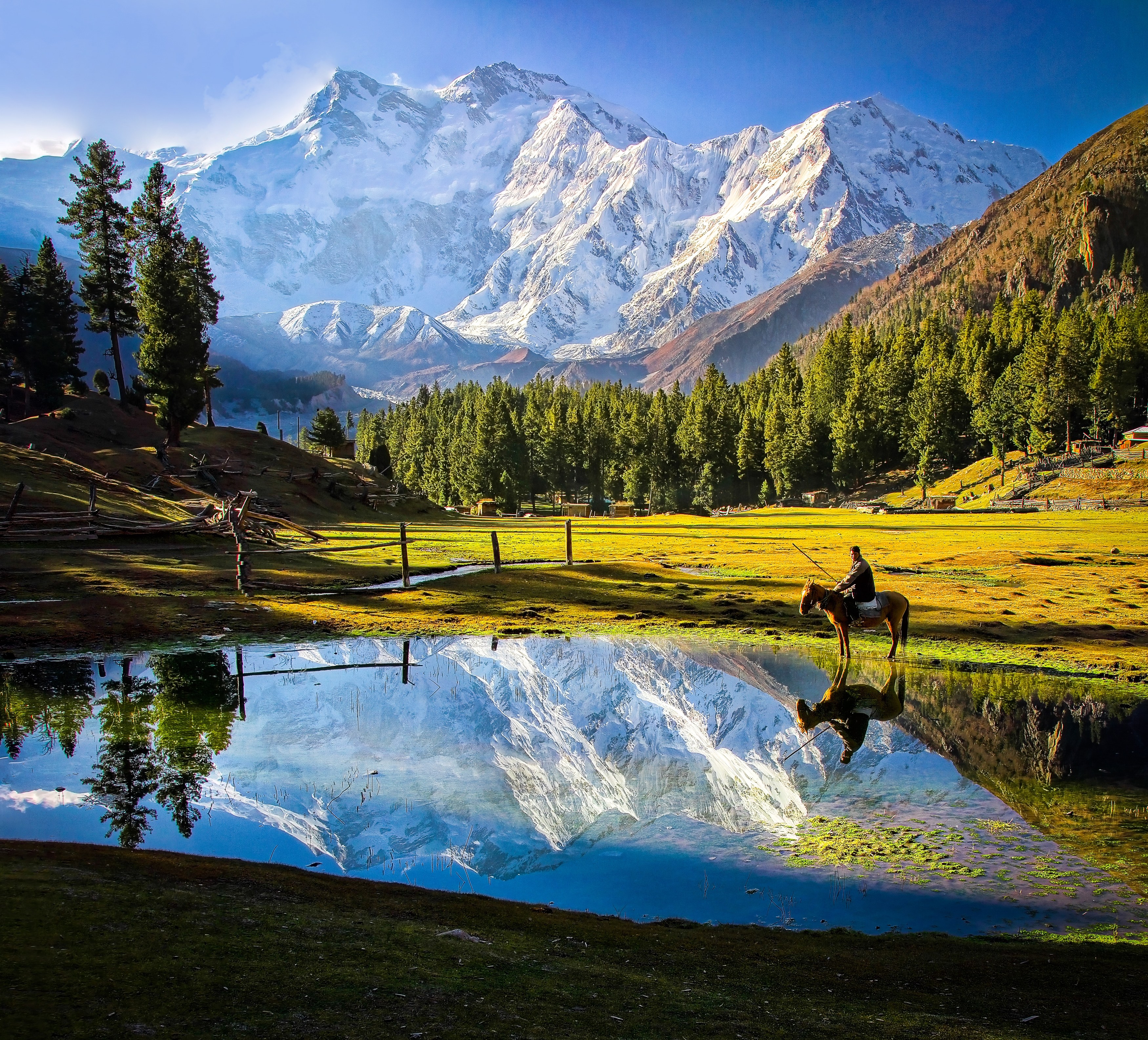
Climb above the treeline to Doian Meadow at approximately 3,900m. Open terrain, wider views, better chances of ibex.
Day 5: Doian Meadow Exploration
Altitude: 3,800m | Day hike to upper ridgeline
Rest day at Doian. Explore the ridge above for the best views toward Nanga Parbat. Early start for photography.
Day 6: Doian to Astore
Altitude: 2,600m | Walk to Rama Lake then jeep to Astore
Descend all the way to Astore town.
Day 7: Astore to Gilgit
Altitude: 1,500m | Drive 3 hours
Drive back to Gilgit.
Day 8: Gilgit to Islamabad
Trek ends | Flight or road
Morning flight to Islamabad.
Highlights
- Rama Lake at 3,462m with conifer forest to the water edge, one of the most accessible alpine lakes in Gilgit-Baltistan.
- Two nights at Doian Meadow above the treeline for views toward the Nanga Parbat massif and the Rupal Face peaks to the southeast.
- Astore Valley setting with traditional Shina-speaking villages, one of the less-visited valleys in Gilgit-Baltistan.
- Walk the forest trail above Rama village through one of the few remaining high-altitude forests in the region.
Included/Excluded
All ground transport: Gilgit to Astore and return by private vehicle
Jeep transfer from Astore town to Rama rest house trailhead
All accommodation: hotel in Gilgit, guesthouse in Astore, camping above lake
All meals from Day 1 dinner through Day 8 breakfast
Licensed guide with Astore Valley and Rama Lake route knowledge
Porter team for all load carries to camp and return
All camping equipment: tents, sleeping mats, kitchen, cook
Conservation area entry fee
Emergency first aid kit
International flights and Pakistan visa
Travel insurance covering trekking to 4,000 metres
Personal sleeping bag (rated to -10C) and trekking boots
Personal snacks beyond included meals
Guide, cook, and porter gratuities
Things To know
Combining with the Rupal Face Trek
Rama Lake and the Rupal Face Base Camp are both in the Astore District and accessed from Astore town. A combined itinerary visits Rama Lake and Doian Meadow first, returns to Astore, and then drives to Tarashing for the Rupal Face approach. The combined route covers 14 days and gives a comprehensive picture of the Astore Valley and the southern side of Nanga Parbat without retracing steps. Contact us for a combined quote.
Gear List
Sleeping bag rated to -10C for camp nights above 3,500m. Lightweight trekking boots with ankle support. Warm layer for evenings at Doian Meadow. Waterproof jacket. Sun protection for the open meadow sections. Trekking poles are useful on the descent from Doian. No technical gear required for this route.
FAQs
Is Rama Lake suitable for families with children?
The lake is accessible for a reasonably fit 12-year-old. The Doian extension is harder and suits older teenagers and above. The area is safe, the trail is clear, and the simple tented camps at the lake are adequate for family groups.
What is the best viewpoint for Nanga Parbat from Rama Lake?
The lake itself has a partial view toward the Nanga Parbat massif but trees obscure the summit. The best views are from the ridge above Doian Meadow at approximately 4,100m where the full Rupal Face escarpment is visible on clear days.
Can I visit Rama Lake without a guide?
Technically yes, it is not a controlled zone requiring a permit. But the road to the trailhead requires a local jeep driver who knows the Astore tracks, and the trails above the lake to Doian are not marked on any publicly available map. A guide from Astore removes both problems at modest cost.
Tour Location
Rama Lake, Astore District, Gilgit-Baltistan, Pakistan
Reviews
0/5
Not Rated
Based on
0 review
Excellent
0
Very Good
0
Average
0
Poor
0
Terrible
0
No Review
16%
from
$900
$750
from
$900
$750