Nanga Parbat Expedition
Nanga Parbat Base Camp, Gilgit-Baltistan, Pakistan
0/5
0% of guests recommend
Duration
60 Days
Group Size
8 persons
Overview
About the Nanga Parbat Expedition
Nanga Parbat at 8,126 metres is the ninth highest mountain on Earth and one of the most technically complex 8,000-metre peaks. It stands alone at the western anchor of the Himalayan chain, separated from the nearest 8,000-metre peaks by hundreds of kilometres, and its isolation gives it severe and unpredictable weather generated by moisture systems from both the Arabian Sea and the Central Asian continental interior. The mountain has three major faces: the Rakhiot Face (north), the Rupal Face (south, the world's largest mountain face), and the Diamir Face (west). Our expedition uses the Diamir Face route, the standard commercial route, which was first climbed solo by Reinhold Messner in 1978 and provides the most direct approach from the Pakistan side.
The expedition is structured for climbers who have previous experience on 7,000-metre peaks and are ready for the full challenges of 8,000-metre mountaineering. The Diamir Face route is technically less demanding than Nanga Parbat's other faces but all 8,000-metre routes involve Death Zone altitude, serious objective hazards, and the requirement for supplementary oxygen at the highest camps.
Route Overview
From Islamabad the expedition drives 12 to 14 hours via the Karakoram Highway and the Babusar Pass to reach the Diamir Valley roadhead, or flies to Gilgit for a shorter approach drive. From the Diamir Valley roadhead a 2 to 3 day approach through the Diamir Valley reaches base camp at approximately 4,000 metres. The Diamir Face route climbs from base camp through the ice and snow of the lower face to Camp I at approximately 5,600 metres, Camp II at 6,300 metres, and Camp III at 7,000 metres. The summit push from Camp III follows the upper Diamir Face and northwest ridge to the summit at 8,126 metres.
Diamir Face Characteristics
The Diamir Face is a broad snow and ice face with less technical difficulty than the Rupal and Rakhiot approaches but significant avalanche risk in the lower sections. Route conditions on the Diamir Face change year-to-year depending on snowpack and serac stability. The expedition carries out an initial reconnaissance of the lower face before establishing Camp I to assess current season hazards. Fixed ropes are placed on the steeper sections between camps. The Diamir Face is higher in objective hazard than Broad Peak's northwest ridge but lower in objective hazard than K2's Bottleneck serac zone.
Best Season
June through mid-August. The Nanga Parbat summit window typically opens in late July and early August when the monsoon moisture reaching the Diamir Face decreases and high-pressure systems stabilise. Early June attempts are possible but the face carries more snow and avalanche risk in early season. The expedition is timed to have fully acclimatized teams ready for the late July to early August summit window.
Experience Requirements
A minimum of one 7,000-metre summit is required for all Nanga Parbat expedition clients. Strong technical skills on ice and mixed terrain, familiarity with fixed rope ascending, and personal experience of Death Zone conditions above 7,000 metres are all essential. The physical and psychological demands of a 50-day Karakoram expedition are themselves a qualification. Clients who have completed Broad Peak or Gasherbrum II expeditions are well positioned for Nanga Parbat.
The Historical Weight of Nanga Parbat
Nanga Parbat has the most tragic history of any 8,000-metre peak. 31 climbers died on the mountain before its first successful ascent in 1953, more than on any other peak before its first summit. The German nickname, Killer Mountain, was earned through expeditions in which entire teams were wiped out by storms or avalanches in the 1930s. The mountain's combination of extreme altitude, severe weather, and objective hazard on all routes has claimed more lives per summit attempt than any peak except K2. Climbing Nanga Parbat is a serious undertaking and we approach it accordingly.
Why Choose This Expedition
Our Nanga Parbat Diamir Face expedition includes all government permits (Nanga Parbat climbing royalty, liaison officer, PAC registration), approach transport and porter logistics, base camp cook service for the full expedition duration, high camp equipment at all three camps, route fixing to Camp III, and one dedicated high-altitude support climber per client from Camp II. The expedition operates with the smallest viable group size for the most personal guide-to-client ratio. Supplementary oxygen is available from Camp II for all clients.
Customized/Private Groups PricingDiscount will be automatically applied during the booking process if the number of guests meets the criteria specified in table below.(currently discounts are applicable to private tours only)
| Solo Price | 2 to 4 Person | 5 to 8 Person | 9 to 20 Person |
|---|---|---|---|
| $28,000 | $18,700 | $14,900 | $14,300 |
Itinerary
Days 1-2: Islamabad Arrival, Briefing, Permit Paperwork
Altitude: 507m | Hotel, full gear check, PAC permit registration
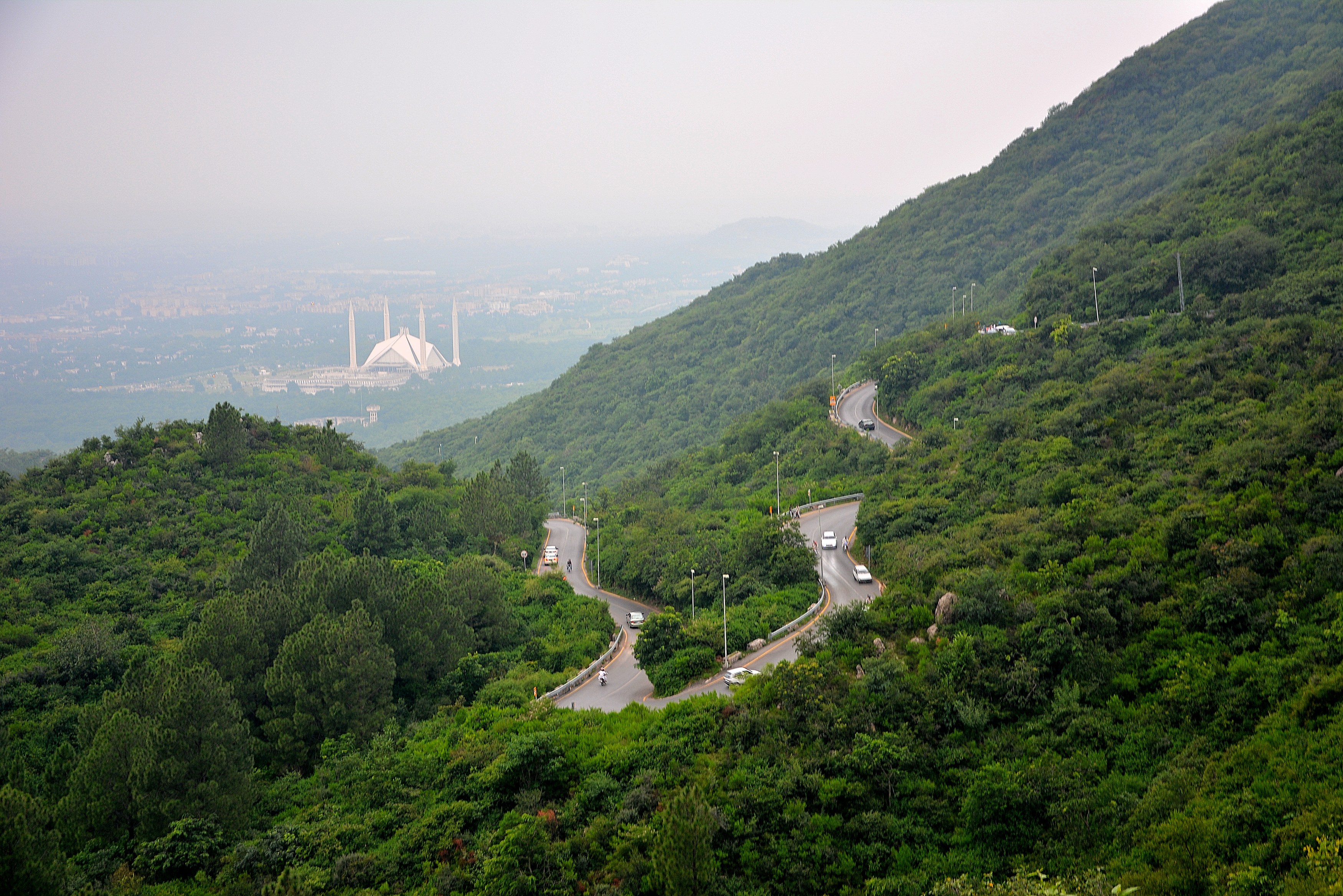
Days 1 and 2 in Islamabad. Arrive, meet the team, collect permits from the Pakistan Alpine Club, final gear checks, and briefings. Two preparation days before travel to Gilgit. The guide covers the Diamir Face route and camp system in detail on day two.
Day 3: Fly to Gilgit, Drive KKH South
Altitude: 1,500m | Flight 55 min, drive 3 hours
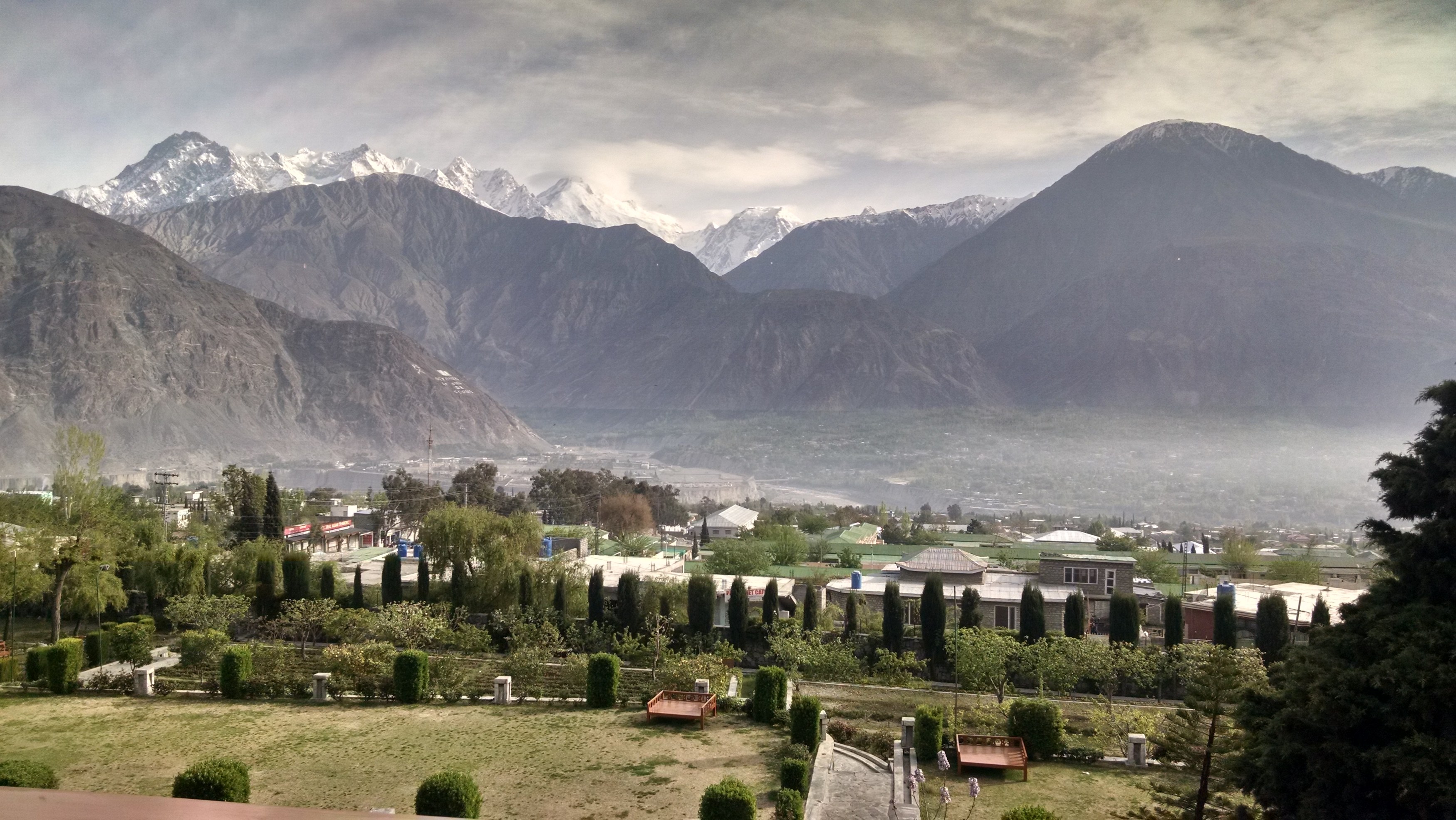
Day 3 flight from Islamabad to Gilgit. Drive south on the KKH toward the Diamir valley area. The approach to Diamir Base Camp begins from the KKH side road. Drive and initial walk toward base camp starts today.
Days 4-5: Approach to Diamir Base Camp (4,100m)
Altitude: 4,100m | Drive and walk to BC
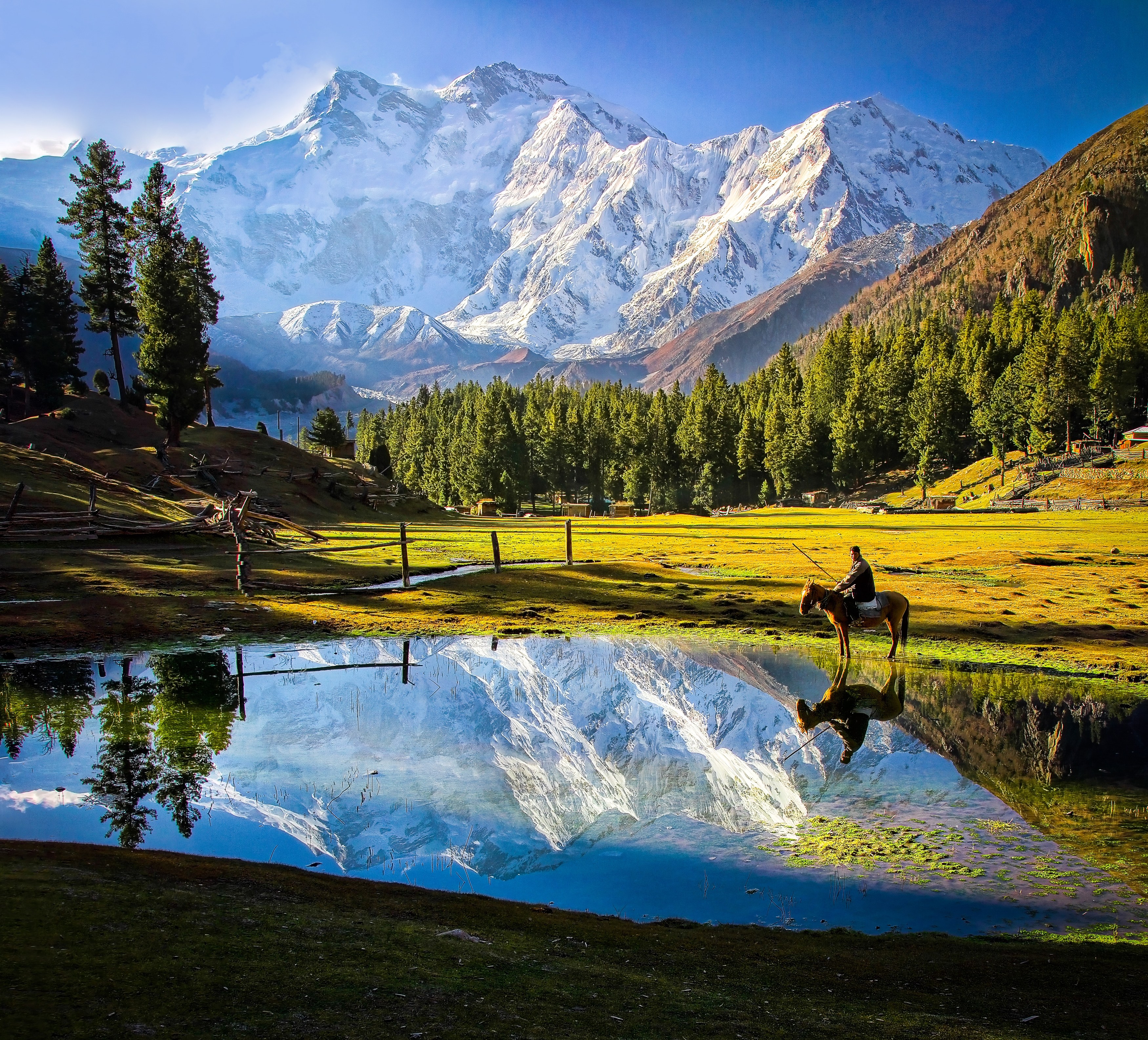
Days 4 and 5. Two-day approach trek to Diamir Base Camp at 4,100 metres. The trail climbs from the KKH roadhead through lower valley terrain and then into alpine territory. Base camp is set up on a flat moraine area at the foot of the Diamir Face. You see the western aspect of Nanga Parbat from base camp, a very different view from the more famous north and south faces.
Days 6-12: Base Camp Acclimatization and Camp 1 Rotation (6,000m)
Altitude: 6,000m | First rotation
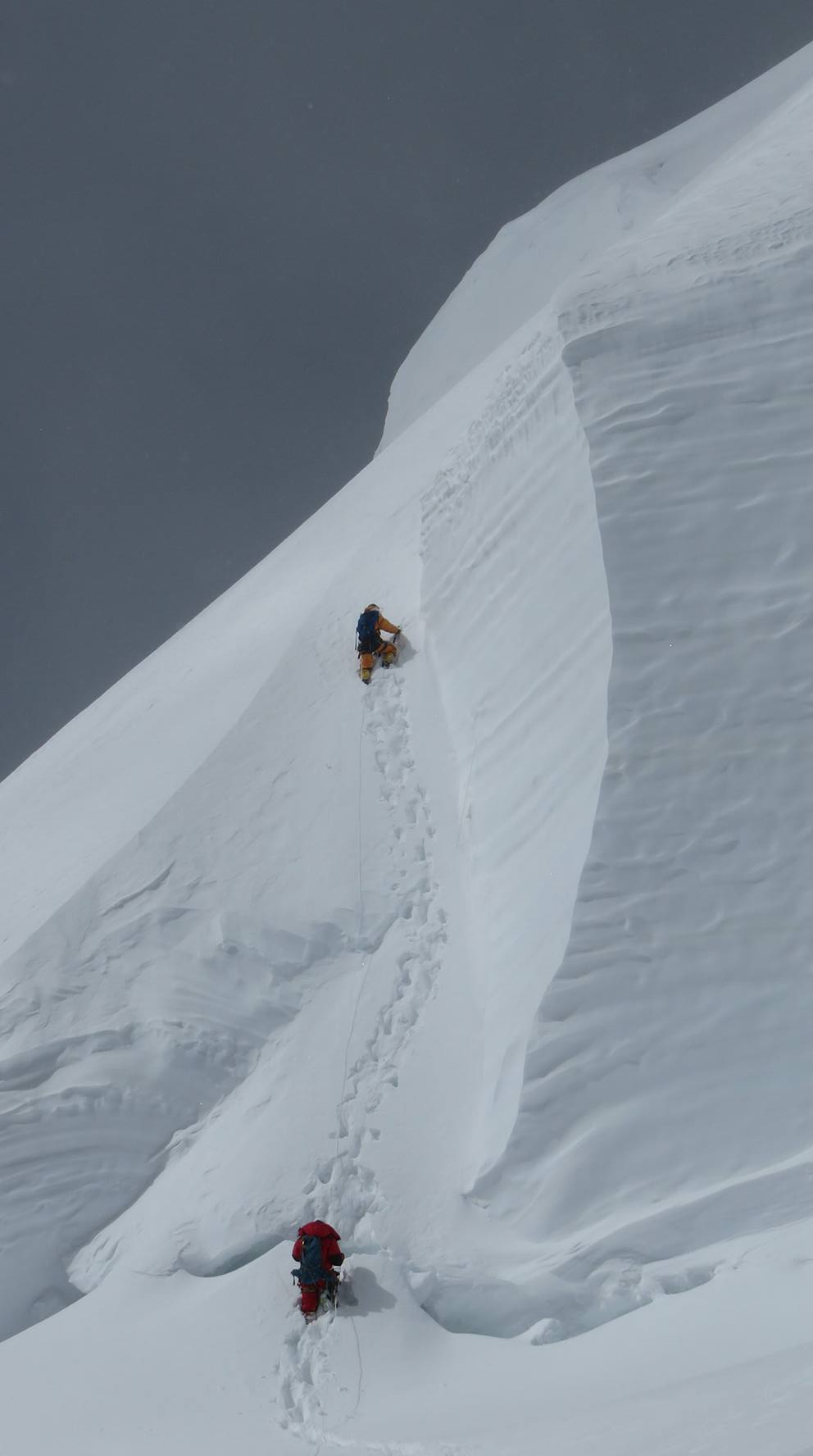
Days 6 to 12. Base camp acclimatization and first rotation to Camp 1 at 6,000 metres. Seven days including rest at base camp, a first rotation climb to Camp 1, and return to base camp. The Diamir Face lower section involves glacier travel and moderate snow slopes. Fixed ropes on the steeper sections.
Days 13-25: Camp 2 Rotation (6,900m) and Rest Cycles
Altitude: 6,900m | Second rotation with extended summit approach
Days 13 to 25. Camp 2 rotation at 6,900 metres and rest cycles. The second rotation pushes acclimatization to 6,900 metres. Multiple days are spent at base camp between rotation sections. The guide monitors weather patterns and coordinates forecasts with other teams on the mountain.
Days 26-40: Camp 3 Rotation (7,200m) and Summit Window Wait
Altitude: 7,200m | Third rotation and weather window identification
Days 26 to 40. Camp 3 rotation at 7,200 metres and summit window waiting. The third rotation brings your acclimatization to 7,200 metres. Rest cycles at base camp follow. The guide evaluates weather windows above 7,000 metres daily. The wait for a genuine summit window is one of the defining experiences of high-altitude mountaineering.
Days 41-50: Summit Push and Descent
Altitude: 8,126m | Final push with full descent
Days 41 to 50. Summit push. When the weather opens you climb from base camp through Camps 1, 2, and 3 to the summit pyramid at 8,126 metres. The push takes five to eight days. Reserve days allow for a second attempt if the first window closes before a push was possible. The summit is not guaranteed by any process we can control.
Days 51-57: Strike Camp and Return to Gilgit
Altitude: 1,500m | Reverse approach, drive to Gilgit
Days 51 to 57. Strike camp and return to Gilgit. After the summit attempt, whether successful or not, you pack the high camps and base camp. The descent from Diamir Base Camp to the KKH takes one to two days. Drive to Gilgit and rest in the hotel. The expedition is operationally complete.
Days 58-60: Gilgit to Islamabad and Departure
Altitude: 507m | Flight, debrief, and international departure
Days 58 to 60. Return to Islamabad and departure. Flight from Gilgit to Islamabad. International connections from Islamabad. The full Nanga Parbat Expedition is finished.
Highlights
- Attempt the summit of Nanga Parbat at 8,126 metres, the ninth highest peak on Earth.
- Climb the Diamir Face on the western route, the most commonly used route on the mountain.
- Complete three rotation cycles to build solid acclimatization to 7,200 metres.
- Access base camp via the KKH approach, avoiding the long Baltoro Glacier approach.
- Experience the unique Nanga Parbat weather system at the western end of the Himalayas.
Included/Excluded
Return flights Islamabad to Gilgit (both directions)
All road transport: Gilgit to Base Camp trailhead and return
All accommodation: hotels in Islamabad and Gilgit, full Base Camp setup with dining, kitchen, and toilet tents
All meals from Day 1 dinner through Day 60, including high camp food
Experienced high-altitude guide (one guide per two clients above Base Camp)
Porter team for all load carries from the road to Base Camp and return
High camp tents and shared fixed rope installation on technical sections
Pakistan Alpine Club Nanga Parbat 8,000m climbing permit
Liaison Officer fees and documentation
Emergency oxygen at Base Camp and each high camp
Satellite phone for Base Camp and daily weather forecast subscription
Gamow Bag (portable altitude chamber) at Base Camp
International flights to and from Pakistan
Pakistan visa, travel insurance, and mountaineering insurance
Personal high-altitude boots, crampons, harness, ice axe, and technical climbing gear
Personal down suit (minus 40 rated), high camp sleeping bag, and layering system
Personal supplementary oxygen (available to arrange on request)
Personal snacks and supplements beyond included expedition meals
Tips for guide, cook, Base Camp manager, and porter team
Costs arising from extended stay, medical evacuation, or early departure
Things To know
Climbing Permit and Documentation
The Pakistan Alpine Club Nanga Parbat climbing permit must be applied for well in advance. All documentation, including passport scans, insurance certificates, and team member climbing CVs, must be submitted to World of Mountain at least 6 months before departure.
- The permit covers the full season through July 31. Extensions past this date require a separate application.
- A Liaison Officer accompanies every permitted expedition. LO accommodation, food, equipment, and salary are included in the World of Mountain package.
- Each team member requires a mountaineering permit endorsement in their passport, separate from the entry visa. This is processed through the PAC in Islamabad.
Travel and Mountaineering Insurance
Specialist mountaineering insurance covering 8,000-metre peaks in Pakistan is mandatory for this expedition. Standard travel insurance does not cover this altitude or activity.
The policy must include helicopter evacuation from Pakistan at 8,000 metres, repatriation, expedition cancellation, and personal accident at the summit altitude. Reputable providers for this level of cover include Snowcard (UK), Austrian Alpine Club, BMC Travel Insurance, and Global Rescue (US). Submit your insurance certificate to World of Mountain before the expedition begins. The guide will not allow the team above Base Camp without confirmed insurance documentation.
Physical Preparation
Nanga Parbat demands exceptional physical conditioning. Begin training at least 12 months before the expedition.
- Cardiovascular base: build to 12 to 15 hours of aerobic training per week. Long runs at altitude, heavy pack hiking, and sustained ski mountaineering are the most effective Nanga Parbat-specific preparations.
- Strength: focus on single-leg strength and core stability. Front squats, step-ups with a heavy pack, and steep uphill intervals with a 20kg pack simulate the demands of the upper mountain.
- Test yourself on a 6,000 to 7,000 metre peak in the 18 months before the expedition. Peaks like Mera Peak (6,476m) or Island Peak (6,189m) in Nepal, or Lenin Peak (7,134m) in Kyrgyzstan, make useful preparation objectives for the altitude component.
- Mental preparation is as important as physical training. Prepare for extended periods of inactivity, weather delays, and the psychological pressure of decision-making at extreme altitude.
High Altitude Nutrition
Maintaining caloric intake at altitude is one of the greatest challenges of an 8,000-metre expedition. Appetite suppression at altitude is universal and begins as low as 5,000 metres for most climbers.
The Base Camp cook prepares substantial, calorie-dense meals using fresh produce supplemented by expedition dry food. Above Base Camp, the high camp food is pre-packaged expedition rations supplemented by personal snacks. Force-feeding at altitude, eating even when not hungry, is a discipline that separates experienced high-altitude climbers from novices. Carbohydrate-rich foods (porridge, pasta, rice, bread) are the most useful at altitude as they require less oxygen to metabolize than proteins and fats. Personal snack preferences should be communicated to the Base Camp manager before departure so appropriate supplies can be sourced in Skardu or Islamabad.
Emergency Protocols
World of Mountain operates a clear emergency protocol for all 8,000-metre expeditions. All team members are briefed on these protocols during the Day 1 expedition briefing in Islamabad.
- The Gamow Bag (portable altitude chamber) at Base Camp can simulate a descent of 1,500 to 2,000 metres for a person showing signs of HACE or HAPE. Its use buys time for helicopter evacuation coordination.
- Evacuation from above Camp 1 is primarily by assisted descent. Helicopter access above Base Camp is not generally possible. All team members must be capable of assisted descent from any camp in the event of a team member incapacity.
- The satellite phone at Base Camp maintains contact with Skardu rescue coordination and the client's emergency contact at home. Daily check-in calls are standard.
- Dexamethasone and Nifedipine are carried at all camps and all team members are briefed on dosage and administration before departure from Base Camp.
FAQs
Which route do you use on Nanga Parbat?
We use the Diamir Face on the western side of Nanga Parbat. This route approaches from the KKH via the Diamir Valley. It is the most commonly used route in recent years due to the shorter approach compared to the Rakhiot and Rupal routes.
What climbing experience is required?
You need expedition experience above 7,000 metres on glaciated high-altitude terrain. Technical ice and snow climbing proficiency is required. Submit a detailed climbing resume when you apply. Nanga Parbat has one of the highest fatality rates of any 8,000-metre peak and experience is non-negotiable.
Is Nanga Parbat more dangerous than other 8,000m peaks?
Nanga Parbat has historically had a fatality rate second only to K2 among 8,000-metre peaks. The weather system at the western end of the Himalayas is distinct and can bring sudden severe storms with little warning. The technical terrain above 7,000 metres is demanding. With proper experience and good guide judgment, the risks are manageable but never eliminated.
What is the Pakistan Alpine Club permit process?
The Pakistan Alpine Club issues climbing royalties for all peaks above 6,000 metres. We handle the complete permit process including the climbing royalty, liaison officer appointment and costs, environmental deposit, and all associated paperwork. You pay nothing additional for permits in Pakistan beyond our expedition price.
How many high camps are there on the Diamir Face?
The Diamir Face has three main high camps. Camp 1 sits at approximately 6,000 metres, Camp 2 at 6,900 metres, and Camp 3 at 7,200 metres. The summit push begins from Camp 3 in the early hours of the morning. Summit altitude is 8,126 metres.
What is the best strategy for the summit push?
From Camp 3 the push to the summit typically takes 10 to 14 hours in good conditions. Weather on the summit pyramid changes fast and you need to be moving well at the turnaround time the guide sets. Do not negotiate the turnaround time. Getting down safely matters more than reaching the top.
Can I use supplementary oxygen?
Yes. Supplementary oxygen is used by some climbers on Nanga Parbat. We support its use and can advise on logistics for bringing your own supply. We do not provide oxygen as a standard part of the expedition package. If you need oxygen, bring your own supply and discuss logistics when you book.
What is the Nanga Parbat permit cost?
The climbing royalty for Nanga Parbat is set by the Government of Pakistan and changes periodically. Check with us for the current fee which is included in the expedition price. The royalty covers one climbing permit for the mountain regardless of route or outcome.
What facilities are at Nanga Parbat Base Camp?
Diamir Base Camp at 4,100 metres is a flat moraine area at the foot of the west face. We set up a full expedition camp with dining tent, cook facilities, medical kit, communication equipment, and individual sleeping tents. The cook prepares three hot meals daily. The setting is remote and dramatic.
How is the weather on Nanga Parbat different from the Karakoram?
Nanga Parbat sits at the western end of the Himalayas where it intercepts both monsoon moisture from the south and cold air systems from Central Asia. The weather is less predictable than the more stable Karakoram peaks like Broad Peak and Gasherbrum. Summit windows are shorter and less frequent. Planning for multiple weather waits is realistic on this mountain.
What happens if the expedition is unsuccessful?
If the expedition is unsuccessful you descend safely and complete the walk out to the KKH. Expedition costs are not refunded due to weather or summit failure. The mountain makes the decision, not us. We do everything possible to position you for success but we do not control the weather or guarantee the summit.
What is the Liaison Officer's role on expedition?
The liaison officer is a Pakistani government official assigned to every expedition above 6,000 metres. They are based at base camp throughout the expedition. Their role includes verifying permit compliance, monitoring expedition activities, and acting as a communication point with local authorities. We equip and feed the liaison officer as part of the expedition package.
Tour Location
Nanga Parbat Base Camp, Gilgit-Baltistan, Pakistan
Reviews
0/5
Not Rated
Based on
0 review
Excellent
0
Very Good
0
Average
0
Poor
0
Terrible
0
No Review
17%
from
$17,000
$14,000
from
$17,000
$14,000