Naltar Valley Lakes Trek
Naltar Valley, Gilgit District, Gilgit-Baltistan, Pakistan
0/5
0% of guests recommend
Duration
6 Days
Group Size
16 persons
Overview
About the Naltar Valley Lakes Trek
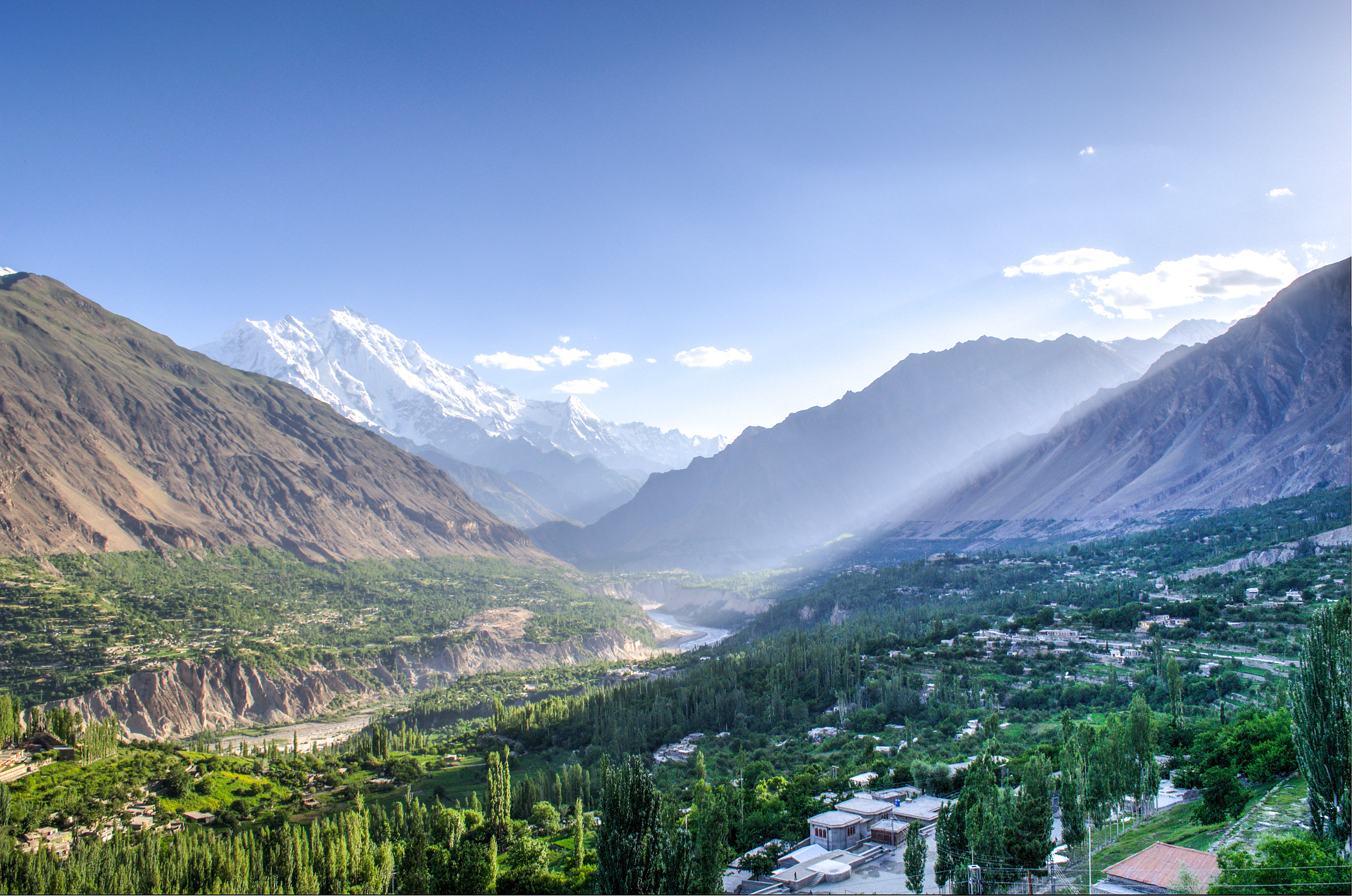
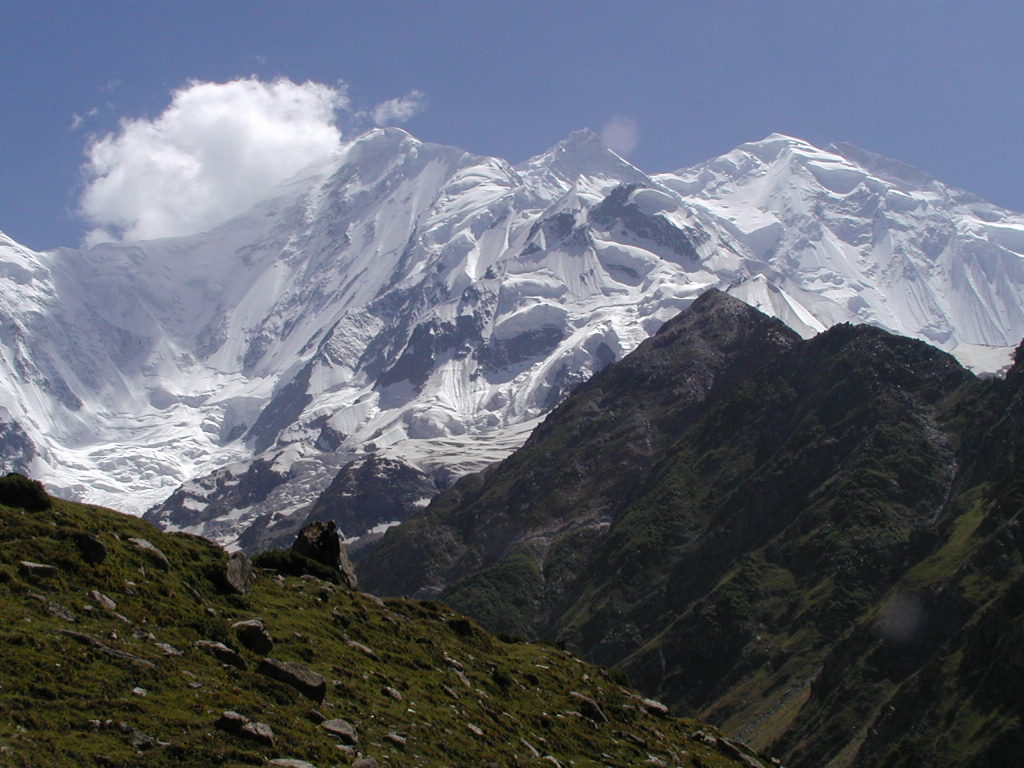
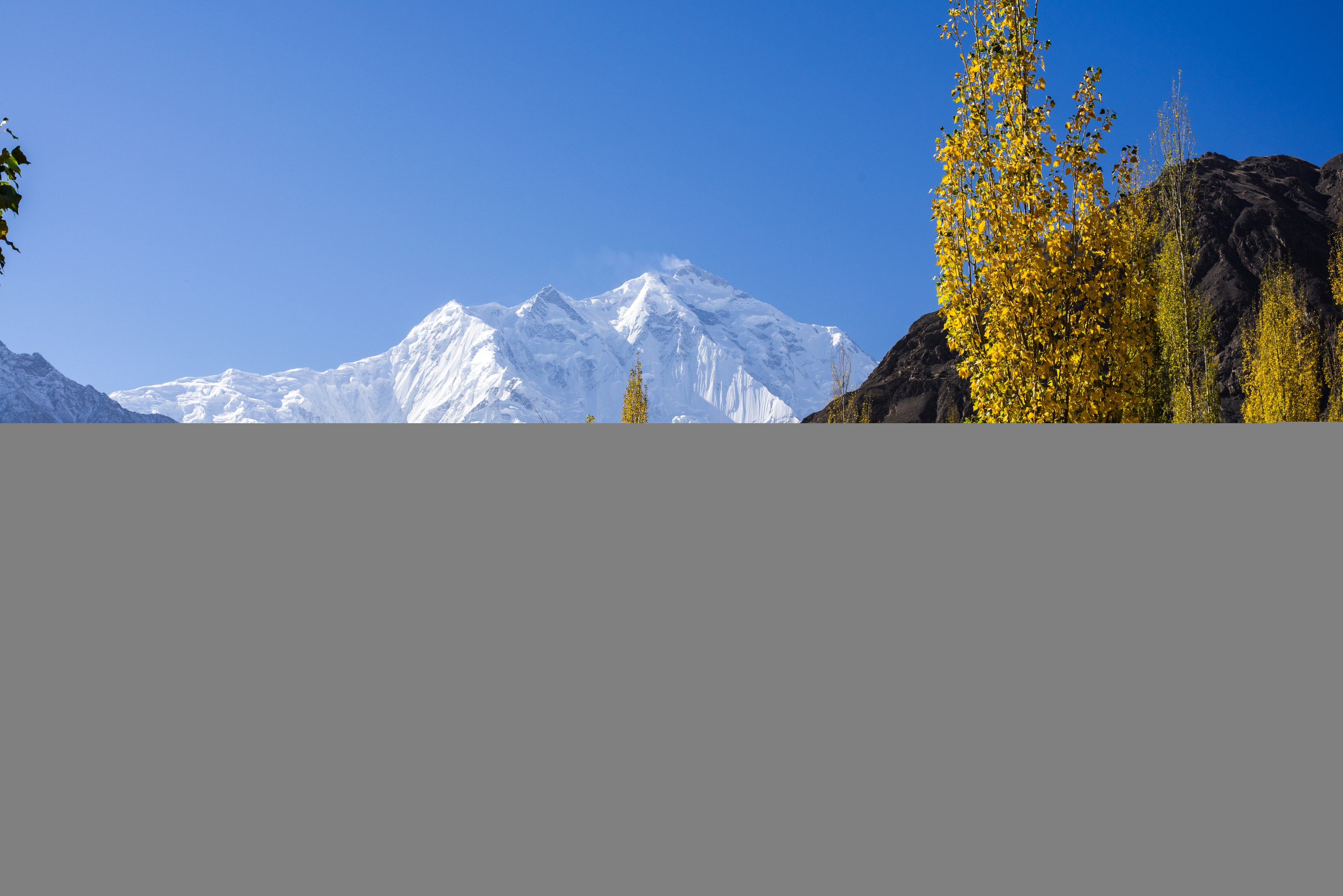
The Naltar Valley in Gilgit district is one of the most undervisited scenic destinations in Pakistan's north. The valley lies 40 kilometres northwest of Gilgit town and is accessible by a half-day jeep drive over the Naltar Ridge at approximately 3,800 metres. The valley is famous for its dense pine forests, its three high-altitude lakes of exceptional colour, and the presence of the Pakistan Air Force ski resort at 3,100 metres that gives it a degree of infrastructure unusual for a remote mountain valley. The Naltar Valley Lakes Trek visits all three lakes, Naltar Lake (Bashkiri Lake), Satrangi Lake, and Buluchhiq Lake, in a 6-day itinerary combining walking and camping in one of the most colourful landscape environments in Pakistan.
The lakes owe their intense colours to dissolved minerals and light refraction in the glacial water. Satrangi, meaning "seven colours" in Urdu, is the most vivid and changes colour through the day as light conditions change. The surrounding pine forest and the backdrop of the Naltar peaks make the lake scenery distinctive from the higher, more austere landscapes of the main Karakoram.
Route and Highlights
From Gilgit the jeep drive to Naltar village takes approximately 3 hours on a mountain road with significant altitude gain. From Naltar village the trekking route climbs through pine forest to the first lake at approximately 3,050 metres, continuing to the upper lakes at 3,200 to 3,400 metres through meadows and boulder terrain. The Naltar Valley is one of the few areas in northern Pakistan where dense coniferous forest continues into the high mountain zone, creating a forest-lake landscape more reminiscent of the Alps than the typical Karakoram bare rock environment.
The Three Lakes
Naltar Lake (Bashkiri) at 3,050 metres is the lowest and largest, with a long reflective surface that mirrors the surrounding pine-covered ridges. Satrangi Lake at approximately 3,200 metres is the most photographed for its colour changes. Buluchhiq Lake at approximately 3,400 metres sits in a more open basin above the treeline with clearer views of the Naltar peaks above. Each lake has a distinct character and the walking route between them passes through varied terrain that includes forest, meadow, and moraine.
Best Season
May through October. The Naltar Valley road over the ridge is snow-covered until late April. June and September are the best months for forest colour and clear lake reflections without the summer crowds. July and August have the most settled weather but also the highest domestic visitor traffic from Gilgit. Autumn (October) brings golden colour to the larch trees in the lower valley.
Physical Requirements
Moderate. The trek involves 3 to 5 hours of walking daily on established forest paths and meadow tracks with moderate altitude gains. The highest point at Buluchhiq Lake (3,400 m) is accessible for most healthy adults. No technical equipment required. Suitable for first-time trekkers and those preferring forested mountain terrain over exposed high-altitude routes.
Why Choose This Trek
The Naltar Valley Lakes Trek delivers forested mountain scenery and vivid glacial lake colour in a quiet valley that most Pakistan visitors miss entirely. The combination of pine forest, multi-coloured lakes, and mountain backdrop is genuinely unique in northern Pakistan's trekking menu. All jeep transport from Gilgit, guide, cook, and camping equipment are included.
Customized/Private Groups PricingDiscount will be automatically applied during the booking process if the number of guests meets the criteria specified in table below.(currently discounts are applicable to private tours only)
| Solo Price | 2 to 4 Person | 5 to 8 Person | 9 to 20 Person |
|---|---|---|---|
| $1,400 | $900 | $700 | $700 |
Itinerary
Day 1: Arrive Gilgit
Altitude: 1,500m | Arrival and briefing
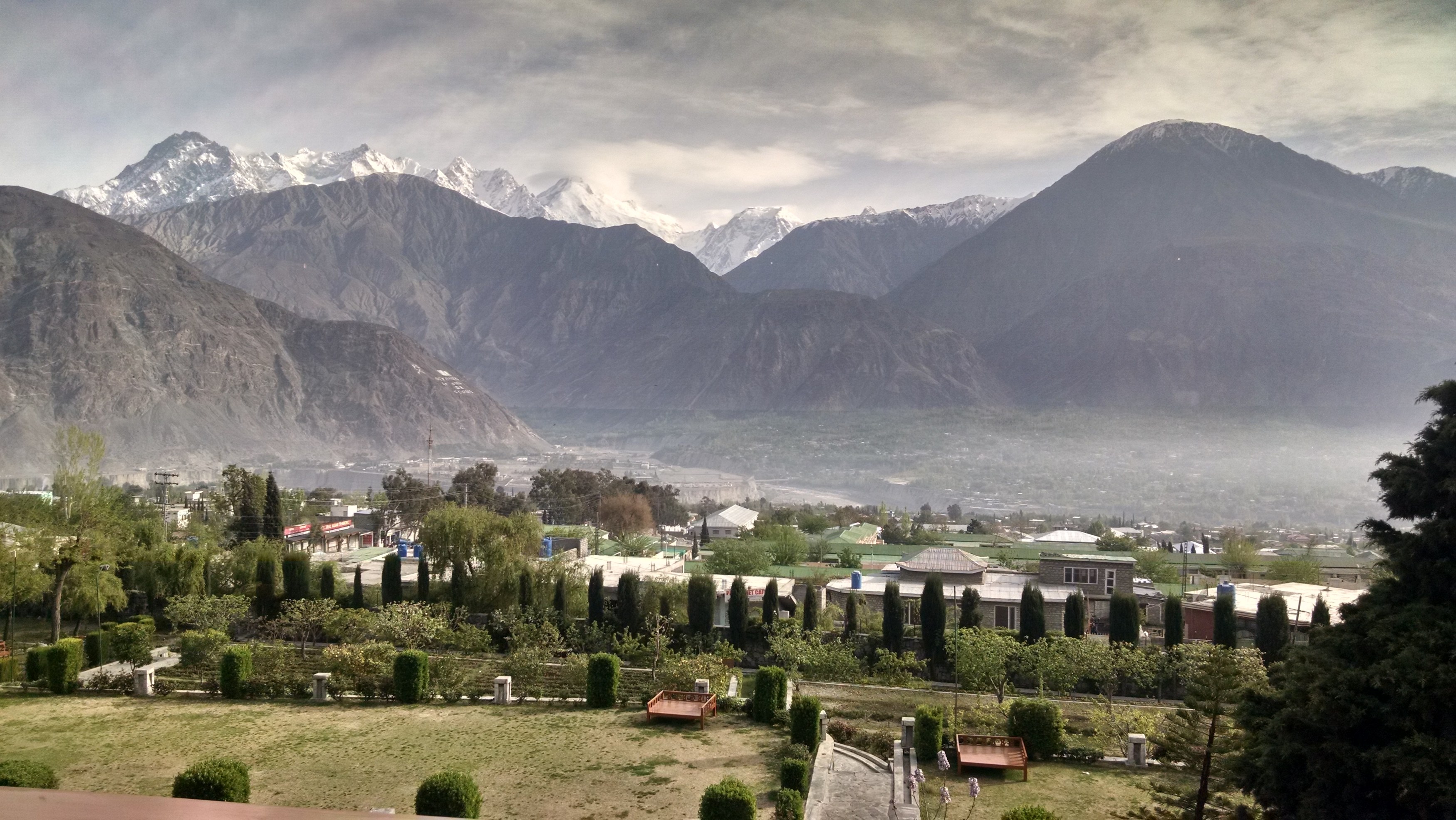
Fly in or drive to Gilgit. Rest, briefing.
Day 2: Gilgit to Naltar Village, First Camp
Altitude: 2,900m | Drive 40km (1hr), setup camp
Drive 35km from Gilgit on a road that climbs steeply into the Naltar hills. Naltar village at approximately 2,900m. Set up camp and walk the valley above the village in the afternoon to gauge the approach.
Day 3: Naltar Village to Naltar Lake
Altitude: 3,600m | Walk 4 hours, 700m gain
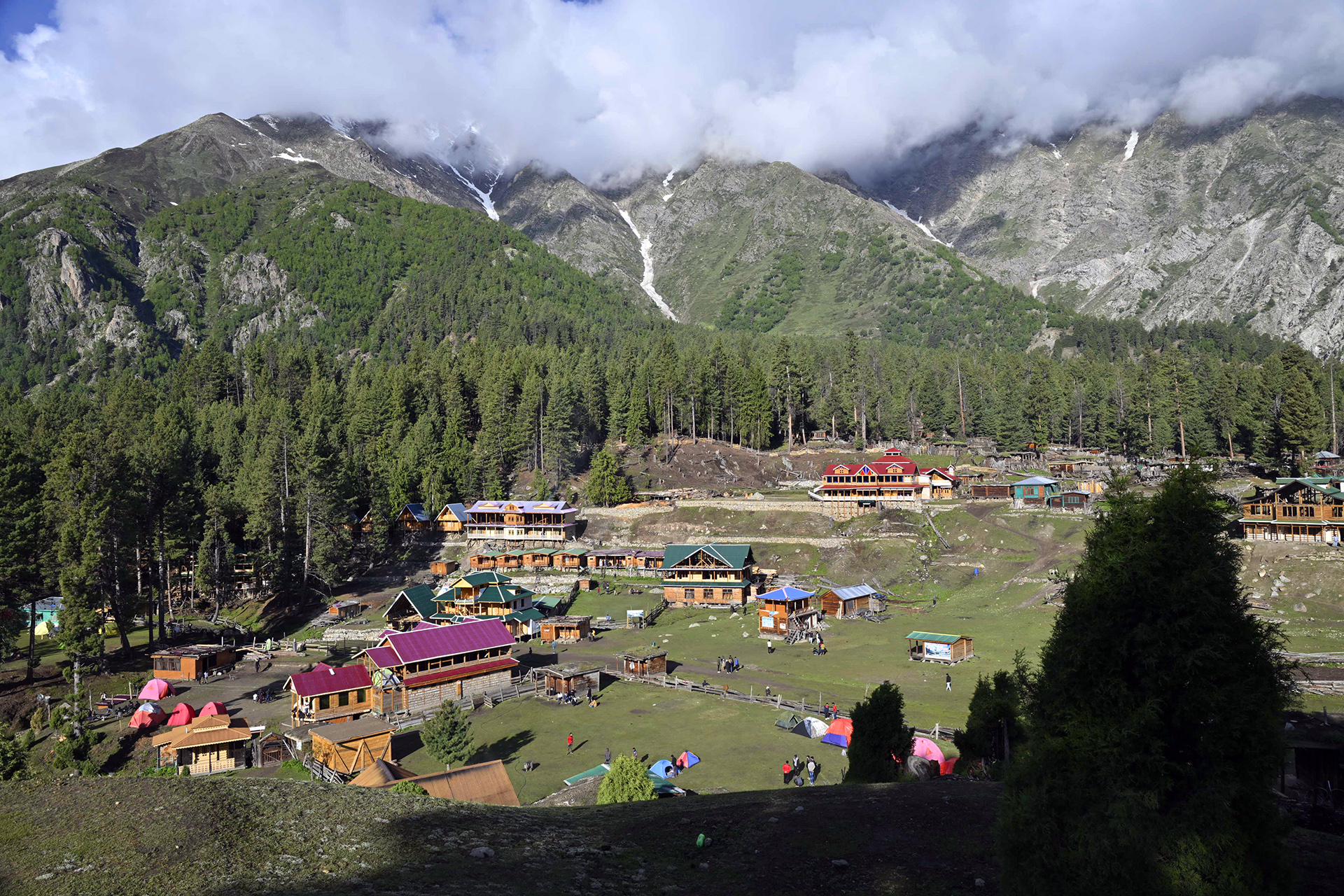
Half-day walk from the village through the upper pine belt to the main lake. The path is clear and maintained. Lake camp is flat and sheltered from the wind.
Day 4: Naltar Lake to Upper Lakes
Altitude: 4,000m | Walk 3 hours
From the main lake a 2-3 hour walk on a clear trail leads to the upper lakes. This is the highlight of the entire trek. Return to the main lake camp or continue down, depending on your schedule.
Day 5: Descend to Naltar Village
Altitude: 2,900m | Walk 3 hours
Easy descent day back to Naltar village. A good day to move slowly and look at what you passed on the way up.
Day 6: Return to Gilgit, Depart
Altitude: 1,500m | Drive 40km, onward travel
Drive back to Gilgit and fly out, or continue by road to your next destination.
Highlights
- Stand above the three Naltar Lakes from the east ridge viewpoint, with all three different-coloured lakes visible in a single panorama below the glaciated peaks.
- Trek through Naltar pine forest, one of the healthiest remaining forest corridors in Gilgit-Baltistan, with monal pheasant reliably seen on the upper slopes.
- Camp at Naltar Lake at 3,047m for one or two nights with the lake basin to yourself in the early morning before day visitors arrive from Gilgit.
- Upper lakes at 3,150-3,200m for the strongest colour contrast and clearest views to the Naltar peaks above the basin.
Included/Excluded
All ground transport: Gilgit to Naltar and return by jeep
All accommodation: hotel in Gilgit (if needed), camping in Naltar Valley
All meals from Day 1 dinner through Day 6 breakfast
Licensed guide with Naltar Valley route knowledge
Porter team for all load carries to the lake camps
All camping equipment: tents, sleeping mats, kitchen, cook
Entry fee for Naltar conservation zone
Emergency first aid kit
International flights and Pakistan visa
Travel insurance covering trekking to 4,100 metres
Personal sleeping bag (rated to -10C) and trekking boots
Personal snacks beyond included meals
Guide, cook, and porter gratuities
Things To know
Naltar Ski Resort
Naltar is the main ski destination in Pakistan, hosting international ski competitions and training camps for the Pakistani national ski team. The season runs December through February with reliable snow cover from 3,000m upward. The summer trekking season and winter ski season do not overlap. Summer trekkers will find the resort buildings closed but the road infrastructure makes the approach easy.
Gear List
For Naltar in summer: lightweight trekking boots, sleeping bag rated to -10C for the lake camps, warm layer for evenings above 3,500m, waterproof jacket, sun protection, and a daypack for the upper lake day. Trekking poles help on the descent from the upper lake across loose scree.
FAQs
Can I do Naltar as a day trip from Gilgit?
Technically yes, but you lose the early morning light at the lakes and the chance to reach the upper lakes properly. A day trip gets you to the main lake and back in about 10-11 hours total. An overnight gives you the lake at dawn (the best light and before other visitors arrive from Gilgit) and time to reach the upper lakes at 3,150-3,200m the following morning.
Is the PAF ski resort relevant for summer trekkers?
The PAF ski resort at Naltar is used in winter and is the training base for Pakistan's national ski team. In summer it is closed but the access road through it leads to the trekking area above. The resort infrastructure does not affect the trekking experience once you are above it.
What wildlife is present in the Naltar Valley?
Himalayan monal pheasant is the most commonly seen wildlife, identifiable by the iridescent blue-green plumage on adult males. Markhor, the large wild goat with corkscrew horns, is present on the steeper terrain but sightings are not reliable. Common woodland birds throughout the pine forest section include nutcrackers, redstarts, and rosefinches.
How do the colors of the three lakes form?
The colour variation is caused by differences in glacial mineral content (primarily copper and iron compounds from the surrounding rock), water depth, and sunlight reflection angle. The turquoise colour in the largest lake comes from glacial silt in suspension, the same mechanism as Attabad Lake. The deeper blue upper lake is clearer water reflecting the sky. The colour changes through the day as sun angle shifts.
Tour Location
Naltar Valley, Gilgit District, Gilgit-Baltistan, Pakistan
Reviews
0/5
Not Rated
Based on
0 review
Excellent
0
Very Good
0
Average
0
Poor
0
Terrible
0
No Review
17%
from
$750
$620
from
$750
$620