Kilimanjaro Trek - Machame Route
Kilimanjaro National Park, Kilimanjaro Region, Tanzania
0/5
0% of guests recommend
Duration
9 Days
Tour Type
Climbing Expedition
Group Size
12 persons
Overview
Trek Overview
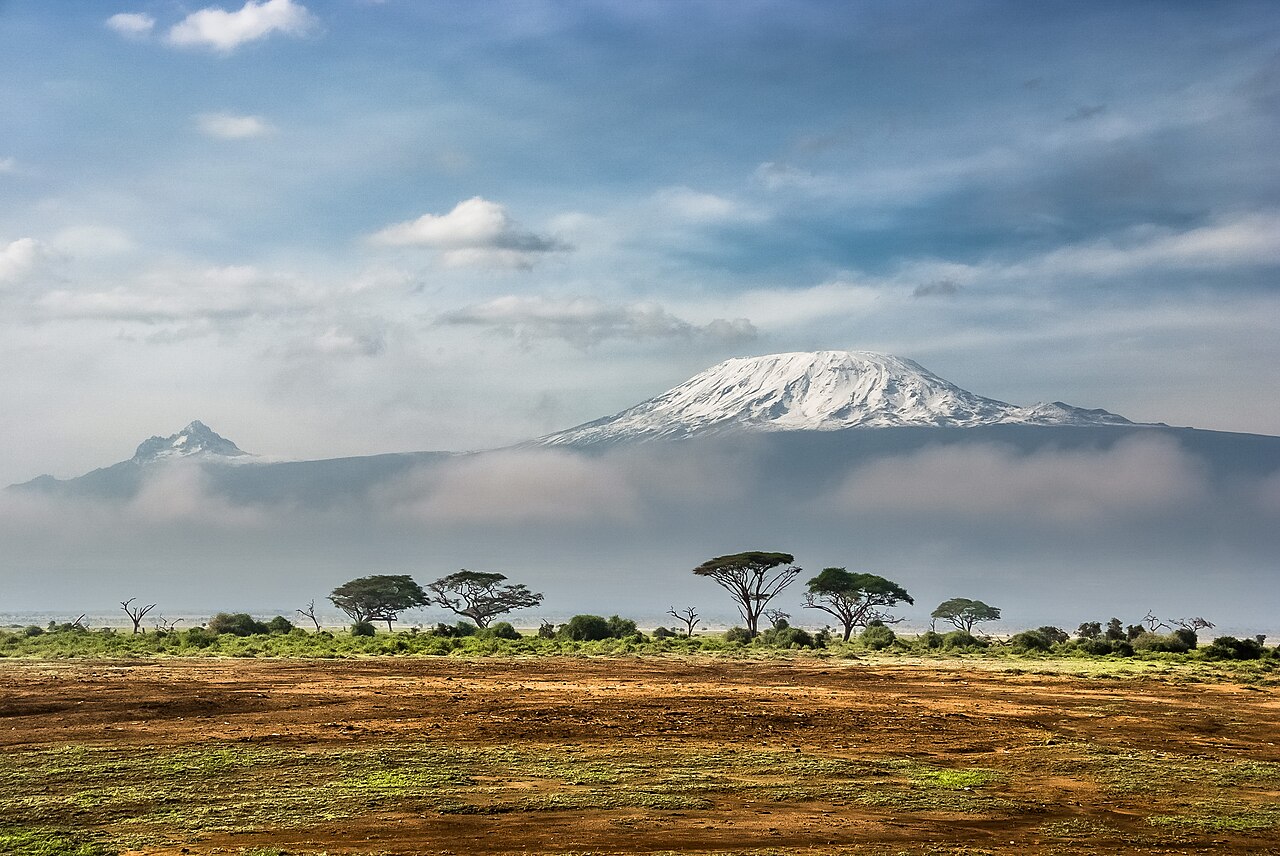
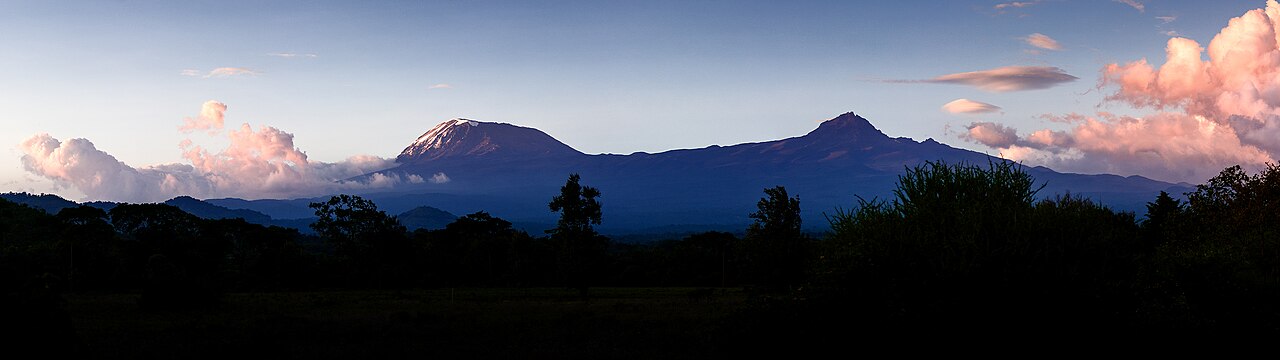
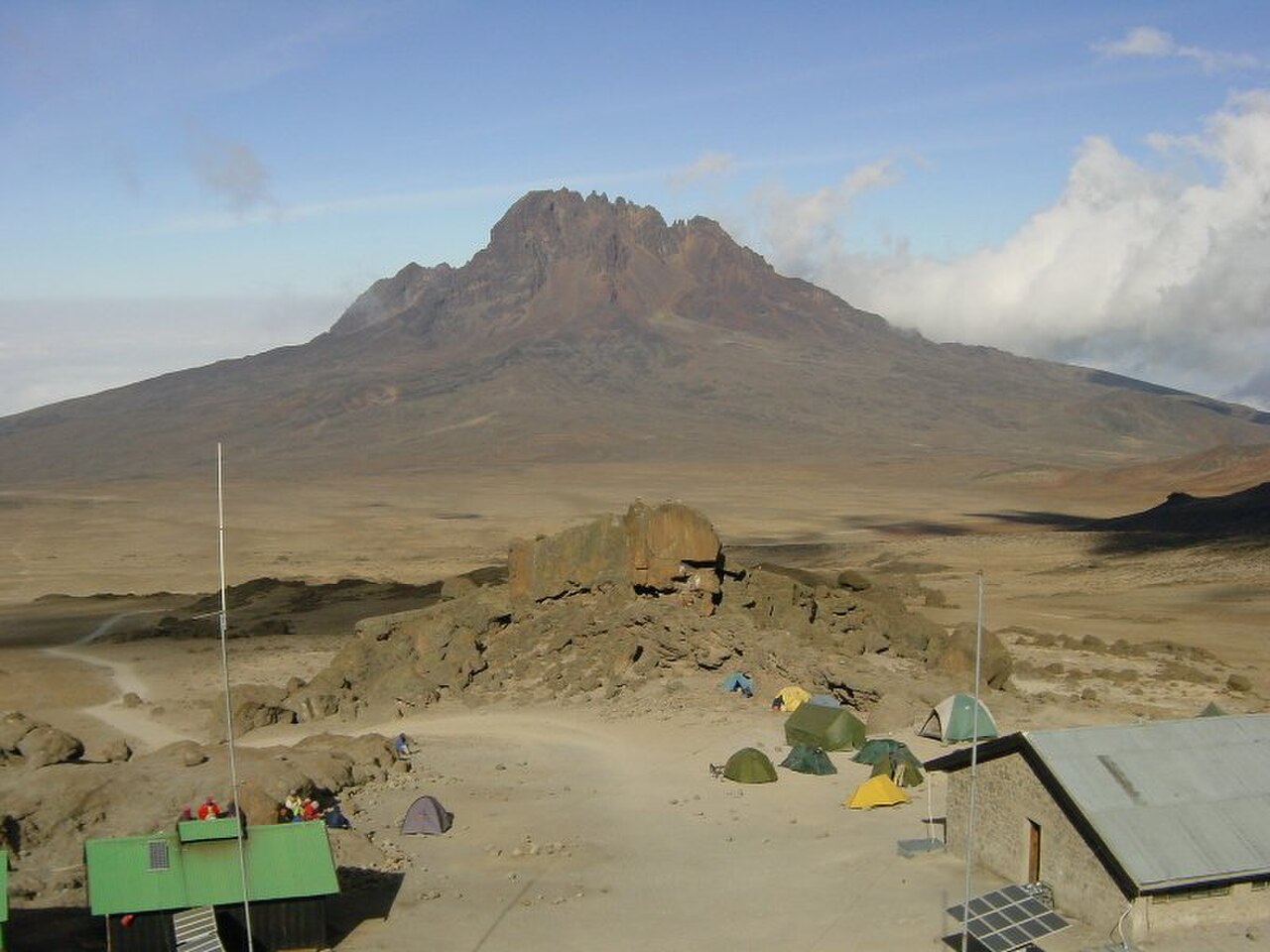
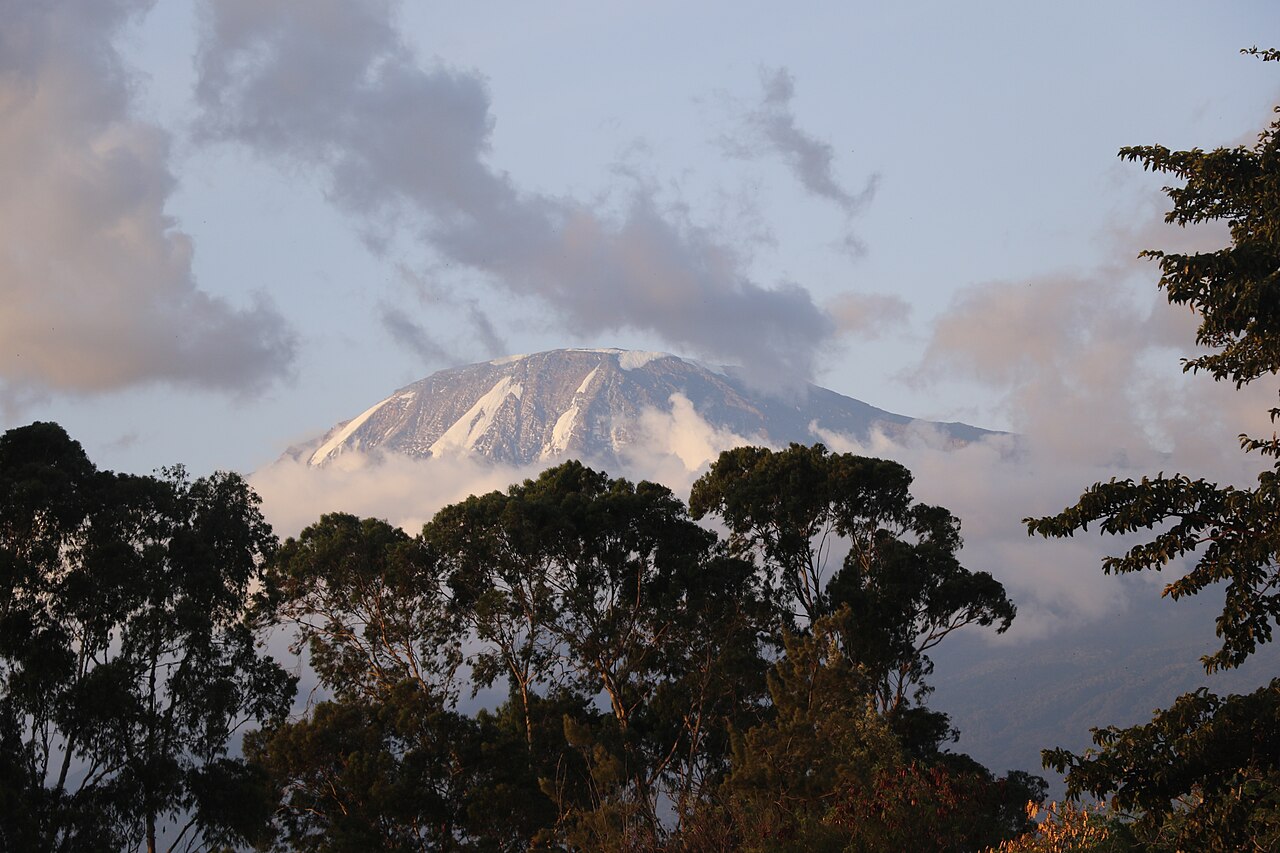
Mount Kilimanjaro is the highest freestanding mountain in the world and the highest point in Africa, and the Machame Route is its most popular path to the summit thanks to strong scenery and a good balance of acclimatization and challenge. This 9-day itinerary uses the full 7-day climbing schedule recommended by guides for the best summit success rate, crossing the dramatic Barranco Wall en route to Uhuru Peak at 5,895m.
Route & Altitude Profile
The route runs Machame Gate (1,800m) - Machame Camp (2,980m) - Shira Camp (3,840m) - Barranco Camp (3,900m, via the Lava Tower at 4,640m) - Karanga Camp (4,010m) - Barafu Camp (4,650m) - Uhuru Peak (5,895m) - Mweka Camp (3,100m) - Mweka Gate, covering around 62km with 6-7 hours of walking most days and a long 12-16 hour summit push.
Difficulty & Fitness
No technical climbing skills are required - Kilimanjaro is a high-altitude trek, not a technical mountaineering route - but the combination of consecutive long walking days and one demanding overnight summit push makes it a genuine physical challenge. Being able to walk 6-8 hours a day and run 5km without difficulty is a good baseline of fitness to aim for.
Best Time to Climb
The two dry seasons, from late December to mid-March and from June to October, offer the most stable weather and the highest summit success rates. The wetter months of April, May, and November see more rain and lower success rates and are generally avoided.
Permits & Park Fees
All climbers pay Kilimanjaro National Park conservation, camping, and rescue fees, collected and paid by your operator as part of the trip cost. Tanzanian law requires every climber to be accompanied by a registered guide - independent climbing is not permitted.
Camping & Meals
Climbers camp for the duration of the route in sturdy four-season tents with a dedicated cook and camp crew, supported by a team of 3-6 porters per climber who carry equipment and supplies so climbers only need to carry a light daypack. All meals and hot drinks are provided throughout the climb.
Altitude Sickness & Safety
At 5,895m, altitude is the single biggest factor in whether a climber reaches the summit. The Machame Route's built-in acclimatization days, combined with the guide's "pole pole" (slowly) pacing and daily health checks, are designed to reduce the risk of Acute Mountain Sickness; the crew carries emergency oxygen and a pulse oximeter throughout the climb.
Itinerary
Day 1: Arrival in Moshi/Arusha
Kilimanjaro International Airport - Moshi (890m)
Arrive at Kilimanjaro International Airport and transfer to your hotel in Moshi. The rest of the day is free to rest, with an equipment check and pre-climb briefing in the evening.
Day 2: Machame Gate to Machame Camp
Machame Gate (1,800m) to Machame Camp (2,980m), approx. 6-7 hrs, 11km
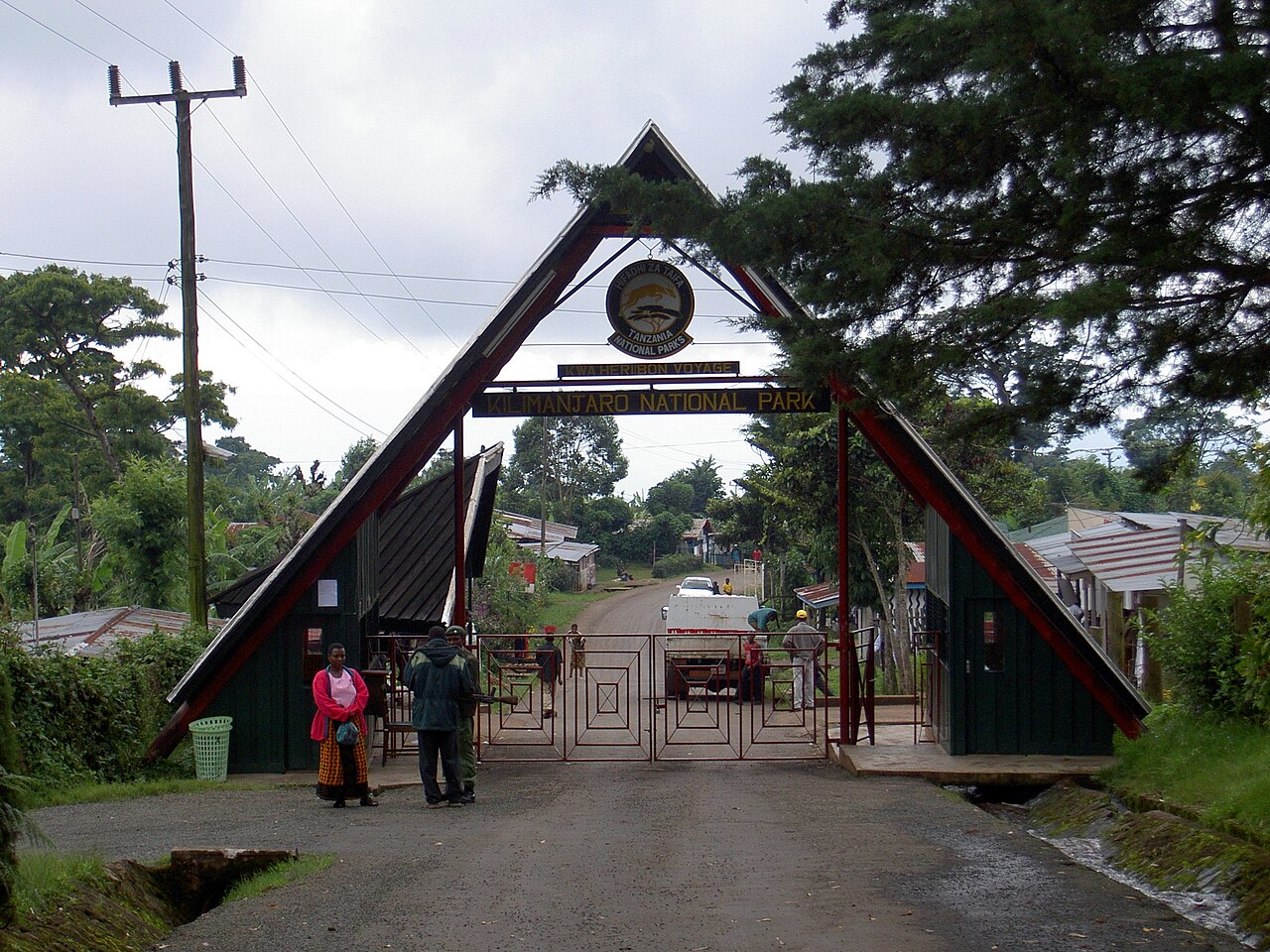
Register at Machame Gate and begin climbing through dense rainforest, home to colobus monkeys and giant heather, to the first camp at Machame.
Day 3: Machame Camp to Shira Camp
Machame Camp (2,980m) to Shira Camp (3,840m), approx. 6 hrs, 5km
Climb out of the forest into moorland with heather and giant lobelia, reaching the open Shira Plateau with its first clear views of Kibo's summit dome.
Day 4: Shira Camp to Barranco Camp
Shira Camp (3,840m) via Lava Tower (4,640m) to Barranco Camp (3,900m), approx. 6-7 hrs, 10km
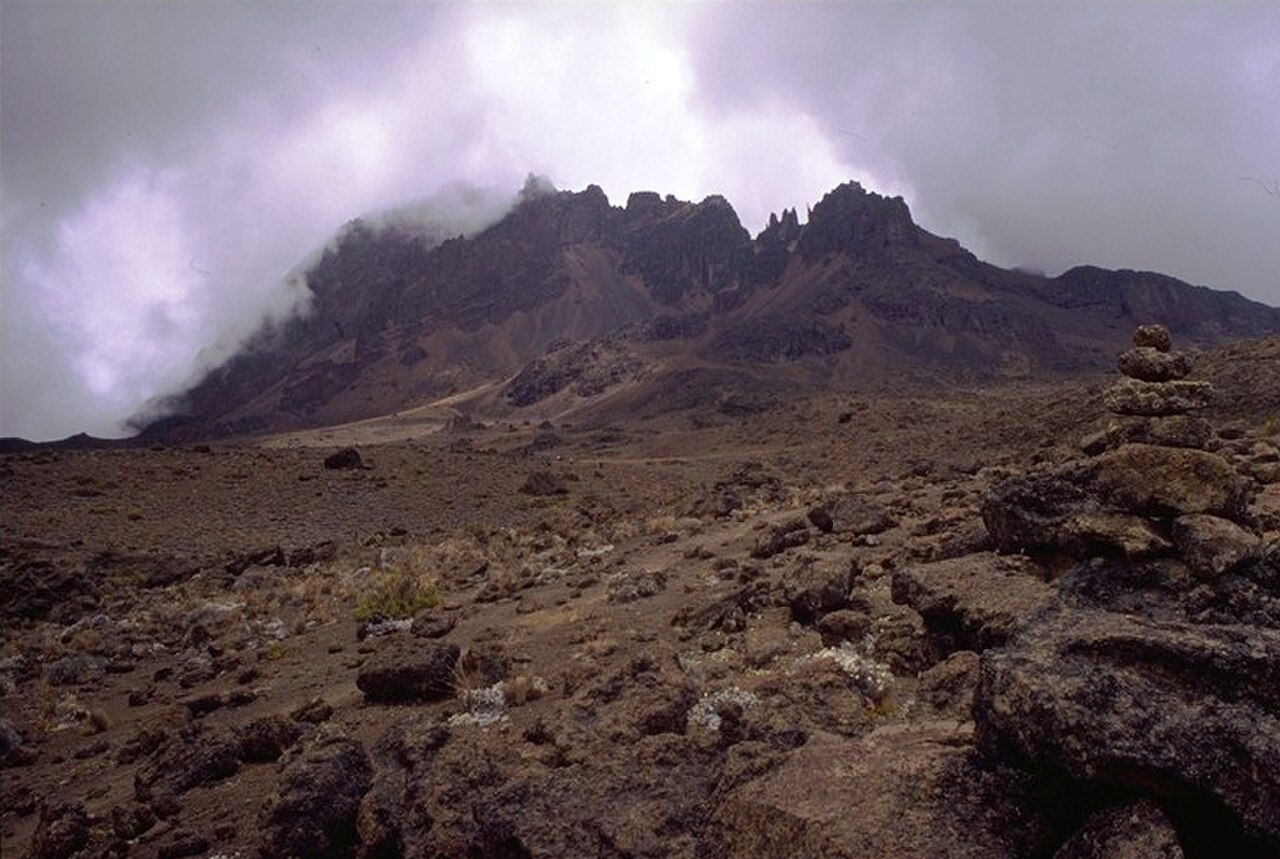
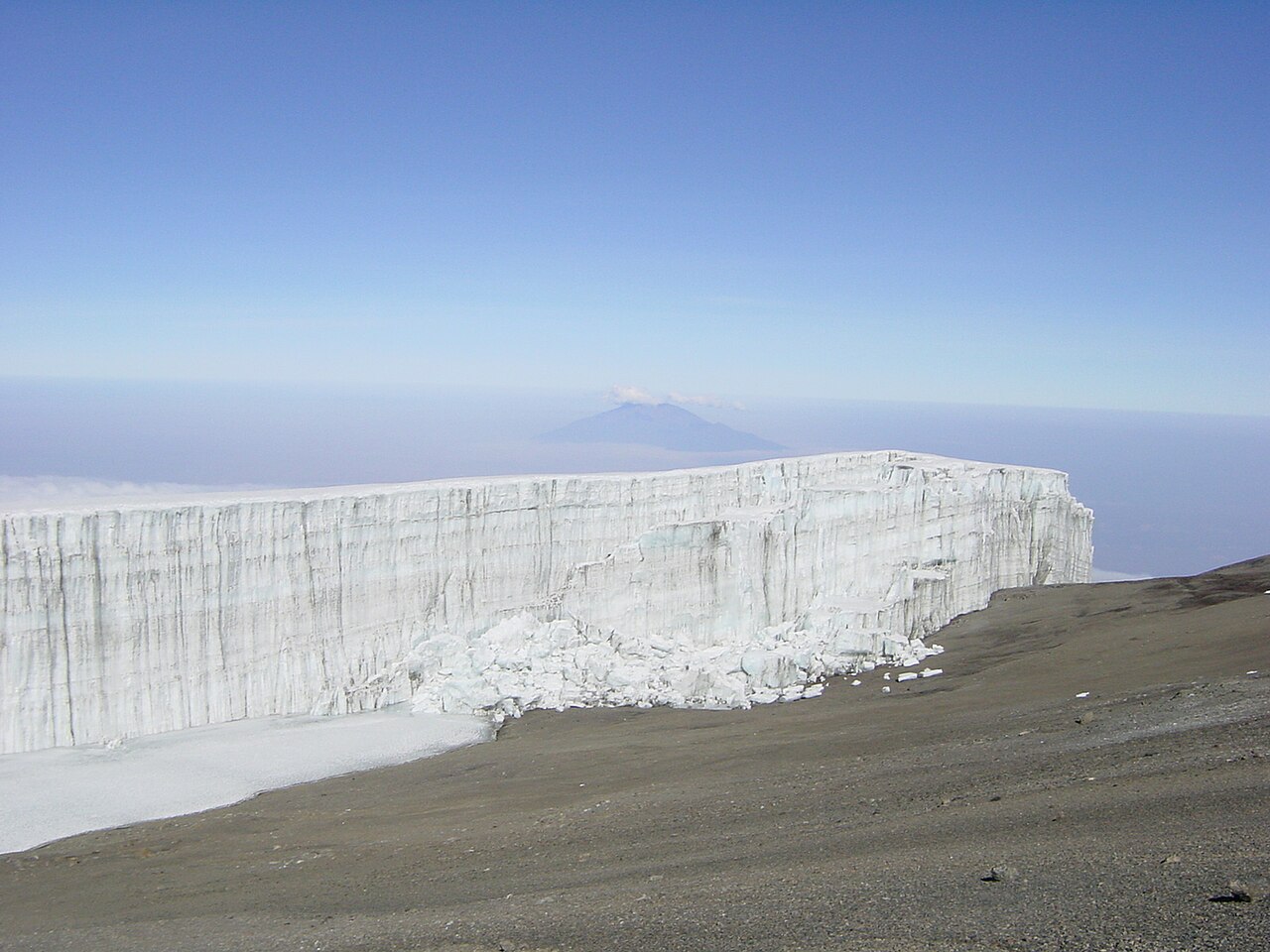
Climb to the Lava Tower for acclimatization before descending into the Barranco Valley, camping beneath the dramatic Barranco Wall with views of the Breach Wall glacier.
Day 5: Barranco Camp to Karanga Camp
Barranco Camp (3,900m) to Karanga Camp (4,010m), approx. 4-5 hrs
A hands-on scramble up the Barranco Wall (roughly 300m of exposed but non-technical climbing) followed by a shorter afternoon trek to Karanga Camp.
Day 6: Karanga Camp to Barafu Camp
Karanga Camp (4,010m) to Barafu Camp (4,650m), approx. 3 hrs, 4km
A short trekking day to Barafu, the final camp before the summit push. The afternoon is spent resting and preparing gear for the overnight climb.
Day 7: Summit day - Uhuru Peak, descend to Mweka Camp
Barafu Camp (4,650m) to Uhuru Peak (5,895m), descend to Mweka Camp (3,100m)
Depart around midnight for the 6-7 hour climb to Stella Point and on to Uhuru Peak for sunrise, Africa's highest point. Descend the same day, first to Barafu and then down to Mweka Camp.
Day 8: Mweka Camp to Mweka Gate
Mweka Camp (3,100m) to Mweka Gate, drive to Moshi, approx. 3 hrs, 9km
A final descent through forest to Mweka Gate, where you'll receive your summit certificate, followed by a drive back to your hotel in Moshi to celebrate.
Day 9: Departure
Moshi - Kilimanjaro International Airport
Transfer to Kilimanjaro International Airport for your onward flight, or extend your stay with a safari to the Serengeti or Ngorongoro Crater.
Highlights
- Stand on Uhuru Peak (5,895m), Africa's highest point and one of the Seven Summits
- Cross the dramatic Barranco Wall, a hands-on scramble with sweeping views
- Trek through five distinct climate zones, from rainforest to arctic summit
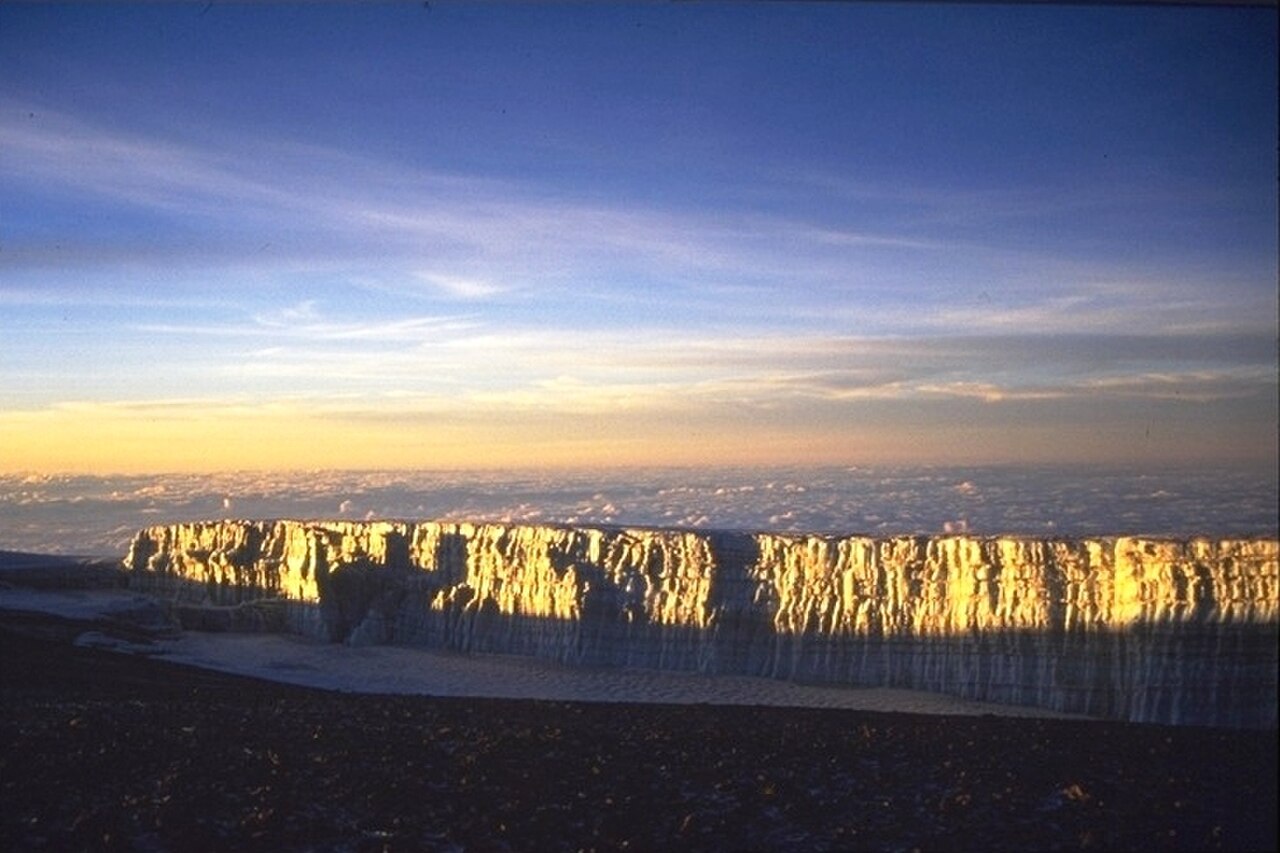
- Sunrise from Stella Point over the crater and remaining glaciers
- No technical climbing skills required - the highest walkable summit in the world
- Full porter and guide support throughout (3-6 porters per climber)
Included/Excluded
Airport transfers in Moshi/Arusha
2 nights hotel accommodation (pre and post climb) on a bed and breakfast basis
All Kilimanjaro National Park fees (conservation, camping, and rescue)
Government-licensed mountain guide and assistant guides
Porter team (3-6 porters per climber, 15kg carry limit)
Professional cook and camp crew
All camping equipment (tents, mess tent, camping mattresses)
All meals during the climb (breakfast, lunch, dinner, hot drinks)
Emergency oxygen, first aid kit, and pulse oximeter carried by the guide
All road transport to and from the mountain by private vehicle
Wages, meals, and insurance for all mountain crew
Summit certificate on successful completion
All government and local taxes
International airfare to/from Kilimanjaro Airport (JRO)
Tanzania entry visa fee
Travel insurance with high-altitude trekking and evacuation cover
Tips for guides, porters, and cook (recommended USD 250-300 per person)
Personal climbing gear and clothing
Sleeping bag rental, if required
Bottled water, bar bills, and snacks
Hot showers and battery charging on the mountain (where available, at extra cost)
Meals in Moshi/Arusha outside included hotel breakfasts
Optional safari extension or sightseeing tours
Personal expenses and souvenirs
Extra costs due to early descent or weather delays
Things To know
Physical Fitness & Training
Being able to run 5km and hike 10km comfortably is a good fitness benchmark; regular cardio and hill training for 2-3 months before departure will make summit night far more manageable.
Packing List & Gear
Key items include layered clothing for five climate zones, a sleeping bag rated to at least -10C, waterproof boots, gloves, and a headlamp for the overnight summit push.
Altitude Sickness Prevention
The Machame Route's gradual ascent and "pole pole" (slowly) pace are built to reduce Acute Mountain Sickness risk; report any symptoms to your guide immediately.
Summit Night Logistics
The final push to Uhuru Peak begins around midnight from Barafu Camp, taking 6-7 hours up and a further several hours to descend all the way to Mweka Camp the same day - the longest and coldest day of the climb.
Route & Success Rate
The Machame Route has one of the higher summit success rates among Kilimanjaro's paths thanks to its scenery and built-in acclimatization days.
Guide Requirement
Kilimanjaro National Park Authority (KINAPA) regulations require every climber to be accompanied by a registered guide and porter team - independent climbing is not permitted.
Toilets & Hygiene on the Mountain
Camps have basic public pit latrines; private toilet tents can be arranged in advance for better privacy and hygiene, and hot washing water is provided morning and evening.
Weather & Temperature Range
Conditions move from tropical warmth at the gate to well below freezing at the summit, with summit night temperatures as low as -20C to -29C.
Age & Health Requirements
The general minimum age is 10, with no strict upper limit; climbers over 60 or with pre-existing health conditions such as asthma should get medical clearance before booking.
Tipping Guidelines
Tipping the guide, porter, and cook team is customary, typically around USD 250-300 per person for the full climb, shared according to role.
Park Fees Explained
Kilimanjaro National Park charges a daily conservation fee, a camping fee, and a one-time rescue fee per climber; these are collected and paid on your behalf and included in the trip price.
Getting to Kilimanjaro
Kilimanjaro International Airport (JRO), about 45 minutes from Moshi, is the main gateway, with direct flights from several European, Middle Eastern, and Turkish hubs.
FAQs
How many days does the Kilimanjaro climb take?
Our itinerary is 9 days including arrival and departure, using the full 7-day Machame Route climbing schedule recommended for the best acclimatization and summit success.
How high is Kilimanjaro?
Uhuru Peak, the summit, sits at 5,895m (19,341ft) - the highest point in Africa and the highest freestanding mountain in the world.
Is climbing Kilimanjaro difficult?
Kilimanjaro requires no technical climbing skills - it is a walkable mountain - but daily 7-8 hour walks for six or more days, an 18-hour summit day, and reduced oxygen at altitude make it a genuine physical and mental challenge.
What is the summit success rate?
Overall success rates across all routes average around 65%, but the 7-day Machame itinerary's extra acclimatization time raises this considerably compared to shorter climbs.
Do I need a guide?
Yes. Tanzanian law and Kilimanjaro National Park regulations require every climber to be accompanied by a registered guide - solo climbing is not permitted.
What is the best time to climb?
The two dry seasons - late December to mid-March, and June to October - offer the most stable weather and highest success rates.
What fitness level do I need?
Most people with moderate fitness succeed with proper acclimatization. If you can comfortably walk 6-8 hours a day, you're generally fit enough for this route.
Is altitude sickness a serious risk?
Yes, it is the main reason climbers don't reach the summit. The Machame Route's built-in acclimatization days and a slow, steady pace significantly reduce the risk.
Is there an age limit?
The minimum age is generally 10 years old, and there is no strict upper limit, though climbers over 60 should get medical clearance from a doctor beforehand.
How many porters and guides are provided?
Typically 3-6 porters per climber plus a lead guide and one or more assistant guides depending on group size, so you only need to carry a light daypack.
What are the toilets like on the mountain?
Public toilets at camps are basic pit latrines; private toilet tents can be arranged for better hygiene and privacy.
How cold does it get?
Base camps are mild, but summit night temperatures can drop to between -20C and -29C, so proper cold-weather layering is essential.
Do I need my own sleeping bag?
A sleeping bag rated to at least -10C is recommended; rentals are available if you don't want to bring your own.
How much should I tip the crew?
Recommended tips are typically USD 250-300 per person, shared among the guide, porters, and cook, though this is discretionary and not included in the trip price.
How do I get to Kilimanjaro?
Kilimanjaro International Airport (JRO), about 45 minutes from Moshi, is the main gateway, with direct and connecting flights from Europe and the Middle East.
Can I add a safari after the climb?
Yes, many climbers combine Kilimanjaro with a safari extension to the Serengeti or Ngorongoro Crater - let us know if you'd like this added to your trip.
Tour Location
Kilimanjaro National Park, Kilimanjaro Region, Tanzania
Reviews
0/5
Not Rated
Based on
0 review
Excellent
0
Very Good
0
Average
0
Poor
0
Terrible
0
No Review
14%
from
$4,200
$3,600
from
$4,200
$3,600