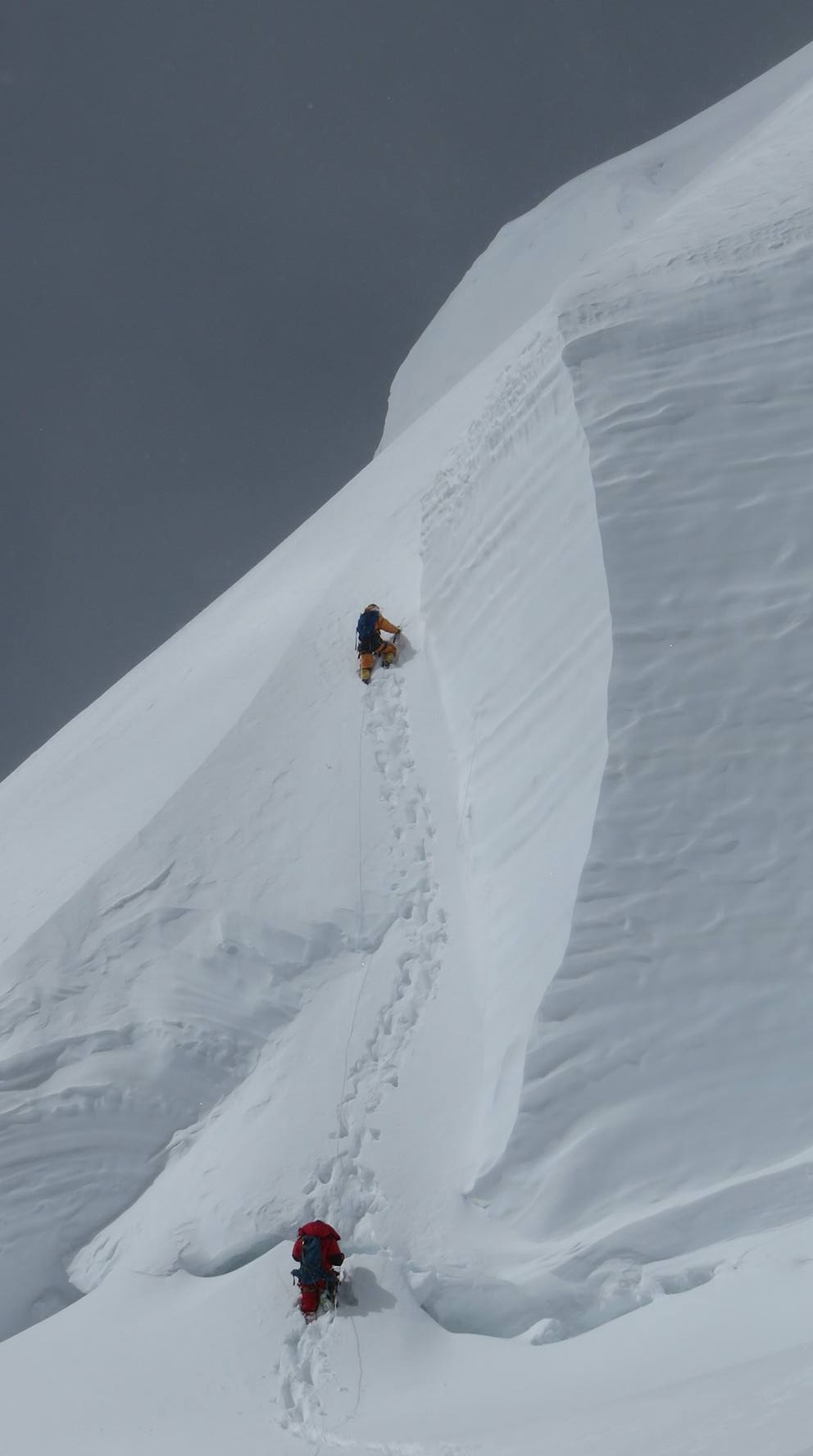
K2 Summit Expedition
K2 (8,611m), Karakoram, Pakistan
0/5
0% of guests recommend
Duration
65 Days
Group Size
8 persons
Overview
About the K2 Summit Expedition
K2 at 8,611 metres is the second highest and most dangerous mountain on Earth. The summit success rate across all attempts since the first expedition in 1902 is approximately 25 to 30 percent. The fatality ratio on K2 exceeds every other 8,000-metre peak. The weather is severe and unpredictable at summit altitude. The Bottleneck couloir at 8,300 metres is an objective hazard from the serac band above it that cannot be managed through skill alone. And yet climbers return to K2 every summer because the technical challenge, the historical weight, and the position of this mountain at the limit of human climbing achievement are unlike anything else in the sport.
Our 65-day guided K2 Summit Expedition follows the Abruzzi Spur on the Pakistani south side, the route used by the first ascent in 1954 and the standard route for all guided expeditions on the Pakistani side. The expedition is structured for experienced high-altitude mountaineers with at least one previous 8,000-metre summit who are prepared for the most demanding guided mountaineering experience in the world.
Route Overview
The Abruzzi Spur rises from K2 Base Camp at 5,150 metres along the southeast ridge through four fixed camps. Camp I sits at approximately 5,900 metres on the lower spur. Camp II is at 6,700 metres above the House Chimney, a near-vertical rock pitch first climbed without fixed protection by Bill House in 1938. Camp III is at 7,300 metres on the upper spur. Camp IV, the high camp, is at approximately 7,800 metres on The Shoulder, a flat snow feature below the final summit pyramid. The summit push from Camp IV traverses below the Bottleneck serac at 8,300 metres before following the final snow and mixed terrain to the summit at 8,611 metres.
Expedition Structure and Rotation Programme
The 65-day programme includes three Islamabad preparation days, the Skardu flight, the Askole drive, and a 5-day Baltoro approach to K2 Base Camp. After 5 establishment days at base camp, two acclimatization rotations build the physiological foundation for the summit push. The first rotation reaches Camp II at 6,700 metres. The second rotation reaches Camp III at 7,300 metres. After a full rest period at base camp following the second rotation, the summit push begins when weather allows: base camp through Camps I, II, and III to Camp IV at 7,800 metres, then the summit day. Three reserve summit days provide a second attempt opportunity if the first push is weather-limited. The exit trek via the Baltoro returns to Askole in 3 days.
The Bottleneck and Summit Day
The summit day is the most demanding and dangerous day of the 65-day expedition. Departure from Camp IV is typically midnight to 2 AM to ensure the Bottleneck is crossed in cold pre-dawn conditions when the serac above is least active. The Bottleneck at 8,300 metres is a 45 to 50 degree ice couloir directly below a hanging serac band. The serac has released without warning in multiple catastrophic events including the 2008 disaster when 11 climbers died in two days. All clients use supplementary oxygen above Camp III. The strategy at the Bottleneck is to move fast, move early, and minimise time below the serac. Above the Bottleneck the route traverses to the summit at 8,611 metres. The return descent from the summit to base camp is where most K2 accidents have occurred historically. All fixed rope connections are maintained throughout the descent.
Experience and Qualification Requirements
K2 is not a suitable objective for any climber regardless of fitness who has not previously summited an 8,000-metre peak. The minimum requirement is one verified 8,000-metre summit and demonstrated technical competence on ice and mixed terrain at Alpine grade D or above. Each applicant submits a full climbing CV for review before acceptance. Physical fitness is assessed against measurable standards including VO2 max and load-carrying capacity. The guide reviews each client's technical skills formally during the Islamabad preparation days and again on the first Camp I rotation before any commitment to higher camps is made.
Our expedition assigns one dedicated high-altitude support climber per client from Camp II through the summit day. The expedition leader has a minimum of three previous K2 summits via the Abruzzi Spur. The guide-to-client ratio above Camp II is 1:1. Total expedition staff to client ratio including cook, camp staff, and base camp management is approximately 2.5:1.
Safety Management on K2
Safety on K2 is managed as a continuous process across all 65 expedition days, not as a single briefing at the start. Key elements include daily weather briefing with commercial summit-level forecast data, formal go or no-go protocols for every camp transition requiring the guide's sign-off, blood oxygen saturation monitoring at every camp, a non-negotiable summit-day turn-back time regardless of proximity to the summit, full supplemental oxygen from Camp III, a Gamow bag and full emergency medications at base camp, and a satellite communicator for emergency coordination. The turn-back time rule is the most operationally important safety measure. If a climber is at 8,400 metres at the agreed turn-back time, descent begins immediately. No exceptions. The summit of K2 will still be there next season.
Why Attempt K2 with World of Mountain
Our K2 expedition includes all government permits (K2 climbing royalty, liaison officer, PAC registration), the full Baltoro approach and porter logistics, base camp setup and 50 days of cook service, high camp equipment at all four camps, route fixing from base camp to Camp IV, one dedicated support climber per client from Camp II, and satellite communication and emergency medical equipment throughout. We run the smallest group sizes possible for the guide-to-client ratio the mountain demands. Our K2 expedition leaders have the verified summit experience that makes them qualified to lead clients on this route. Supplementary oxygen for all clients from Camp III is included in the expedition scope.
Customized/Private Groups PricingDiscount will be automatically applied during the booking process if the number of guests meets the criteria specified in table below.(currently discounts are applicable to private tours only)
| Solo Price | 2 to 4 Person | 5 to 8 Person | 9 to 20 Person |
|---|---|---|---|
| $55,000 | $36,700 | $29,300 | $28,100 |
Itinerary
Days 1–3: Islamabad Arrival and Preparation
Altitude: 507m | Documentation, gear audit, team briefing
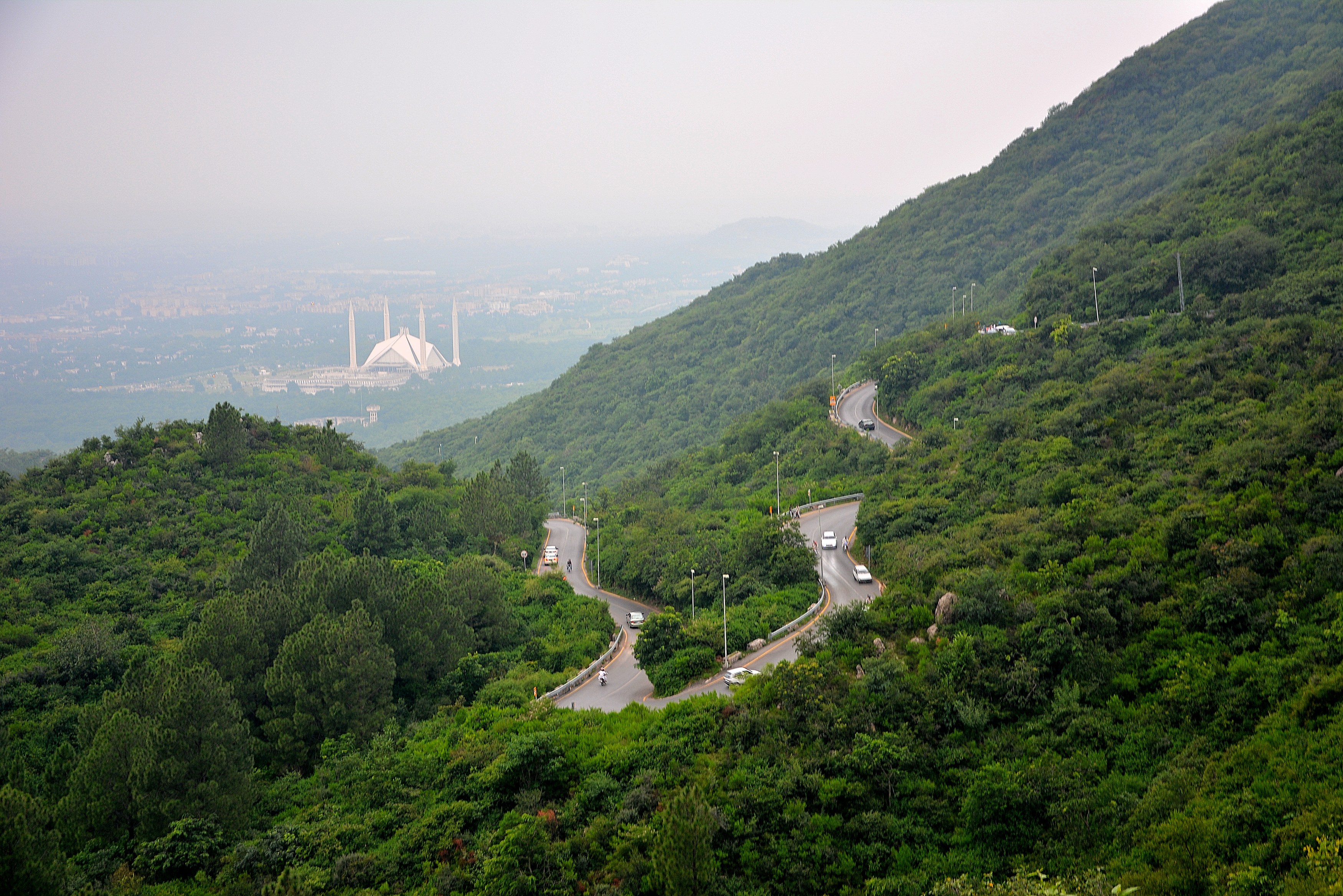
You arrive in Islamabad to begin expedition preparation. The first three days are logistics, paperwork, and final equipment checking, not sightseeing. Your expedition leader and the Pakistan Alpine Club liaison officer meet you at your hotel in the F-6 area on day 1 for the full team briefing. The liaison officer (LO) is a required government appointment for all K2 expeditions. The LO accompanies the expedition from Islamabad to base camp and remains at base camp throughout. His role is to verify compliance with climbing regulations, witness the summit attempt, and file the official report to the Ministry of Tourism. Treat the LO as a senior team member from day one.
The three Islamabad days are used for: Pakistan Alpine Club registration and climbing royalty verification (we confirm all payments and documents are in order), equipment sorting and repacking into porter loads of 25 kilograms for the Baltoro carry, purchasing final supplies at the Aabpara market and the larger expedition supply depots near the Islamabad domestic terminal, medical kit inventory check by the expedition doctor or guide, and individual client equipment inspection. Each client's personal gear is laid out and reviewed against the gear list. Missing or inadequate items are identified now while Islamabad supply shops can fill gaps, not on the Baltoro Glacier.
The expedition team meets for dinner on day 2 for the full technical briefing. The expedition leader covers the Abruzzi Spur route in detail: approach to base camp, Camp I positioning, the fixed rope plan from base camp to Camp IV, the rotation schedule, the summit push logistics, the oxygen system protocol, and the emergency procedures including the criteria for retreat from any altitude. Spend time on this briefing. The decisions made at altitude are easier if you have already thought through the scenarios at Islamabad with full cognitive function and a warm body.
Day 4: Fly to Skardu
Altitude: 2,228m | Flight and logistics
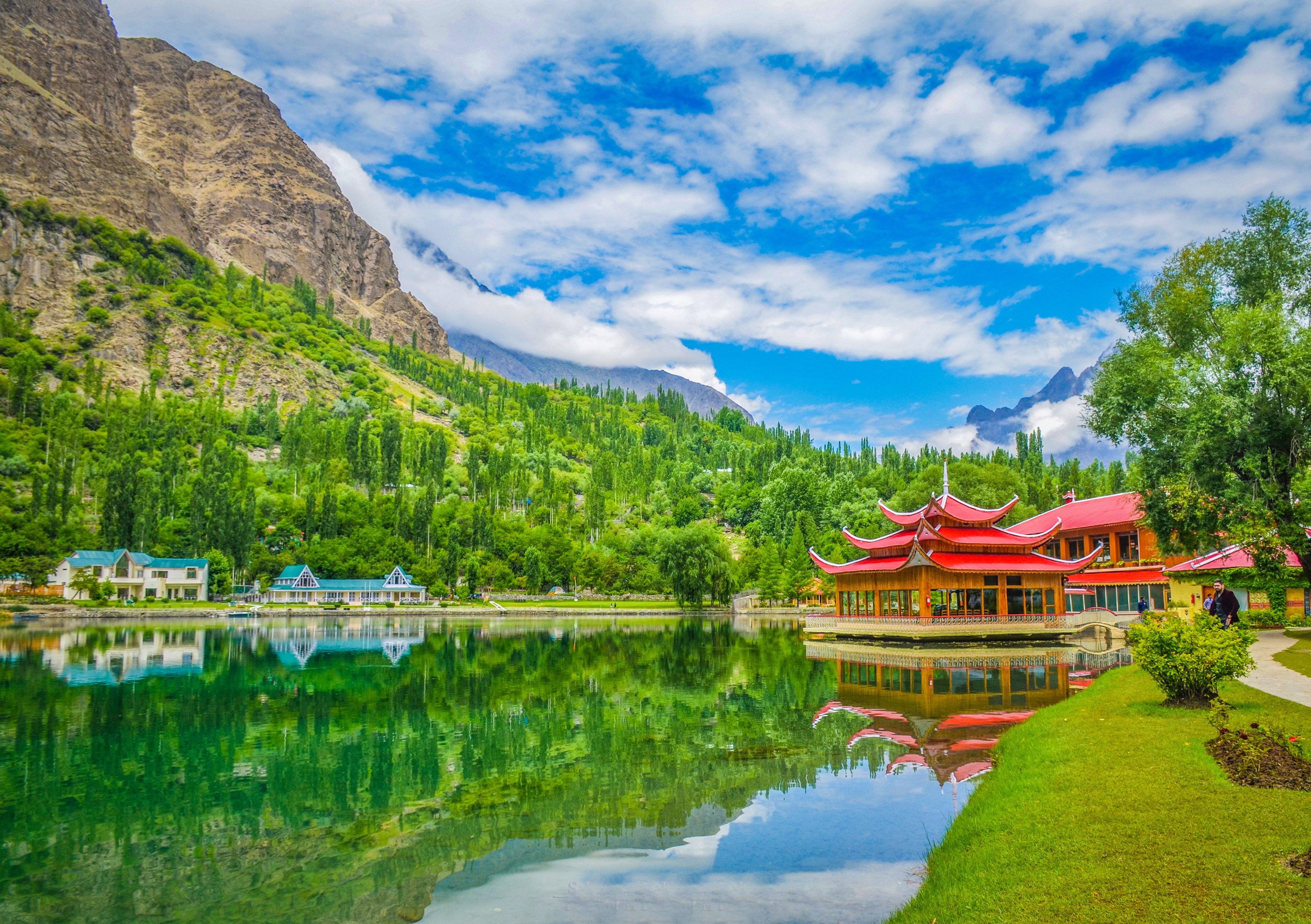
Fly from Islamabad to Skardu on the Pakistan International Airlines morning departure. Hotel departure at 4 AM for a 6 AM flight. The ATR-72 turboprop carries 68 passengers and enforces the 20 kilogram luggage limit strictly. The expedition's bulk supplies shipped ahead from Islamabad wait at the Skardu freight depot. The one-hour flight to Skardu at 2,228 metres is the first altitude step. On a clear day Nanga Parbat at 8,126 metres is visible from the left side of the aircraft about 40 minutes into the flight. The Skardu airport landing above the Indus River with the Karakoram walls on three sides is one of the finest airport approaches in the world.
In Skardu the expedition unloads the freight and begins the process of organising the porter loads for the Baltoro approach. The expedition typically carries significant quantities of food, fuel, rope, hardware, high camp equipment, and personal gear that must be divided into regulated 25-kilogram loads. This is a multi-hour logistics operation managed by the guide and sirdar (head porter supervisor). Clients are not required to participate in load organisation but observing the process gives a clear sense of the expedition scale: a typical K2 expedition requires 30 to 50 porters for the Baltoro approach. The weight is considerable.
Skardu at 2,228 metres is the first altitude step of the acclimatization sequence. The body begins producing additional red blood cells within hours of arriving at altitude. Two nights in Skardu contribute meaningful acclimatization gains before the drive to Askole at 3,050 metres. Eat well, drink water, sleep as much as possible.
Days 5–6: Skardu Preparation and Rest
Altitude: 2,228m | Acclimatization and logistics
Two full days in Skardu for final logistics, acclimatization, and preparation. Day 5 is primarily logistics: confirming porter numbers, collecting permits from the Alpine Club, buying final fresh food supplies in the Skardu market (fresh vegetables and fruit are available at Skardu but not on the Baltoro), and briefing the full porter team. The porter team for a K2 expedition is a major logistical undertaking, potentially 40 to 50 individuals each with a Pakistan Alpine Club registration number, licensed load certification, and insurance. The sirdar manages this team throughout the Baltoro approach.
Day 6 is a rest day before the Askole drive. Use it for Skardu orientation walks, the Kharpocho Fort climb, or Satpara Lake. The 150-metre altitude gain to the fort is a useful acclimatization stimulus at no physical cost. Equipment that needs Skardu adjustments: crampon fit to boots (test on any available snow or gravel slope), ice axe length selection (standard mountaineering axe 60 to 70 cm), harness fit verification, and jumar ascender testing with gloves on (the jumar is the primary ascender used on fixed ropes above Camp II on the Abruzzi Spur). Do all equipment testing here. The glacier is not the place to discover a crampon bail is the wrong size.
Day 7: Drive to Askole
Altitude: 3,015m | Jeep convoy via Braldu Gorge
Drive from Skardu to Askole: 4 to 5 hours by jeep convoy through the Braldu Valley gorge road. Departure at 7 AM. The convoy includes multiple jeeps for clients, guides, the liaison officer, and the lead expedition staff. The bulk porter team walks from Skardu separately or takes local transport to the trailhead. The Braldu Valley road is one of the most dramatic vehicle tracks in Pakistan, carved into cliff faces above the Braldu River with drops of several hundred metres from the outer wheels in sections. Arrive at Askole in the early afternoon. The expedition unloads, distributes porter loads, and sets up camp at the Askole camp ground. Askole at 3,050 metres is the last supply point. From here to base camp everything is carried on porter backs. Anything not purchased before Askole is unavailable until Skardu on the exit.
Days 8–12: Baltoro Glacier Approach to K2 BC
Altitude: 5,150m | Trek-in Askole to K2 Base Camp (5 days)
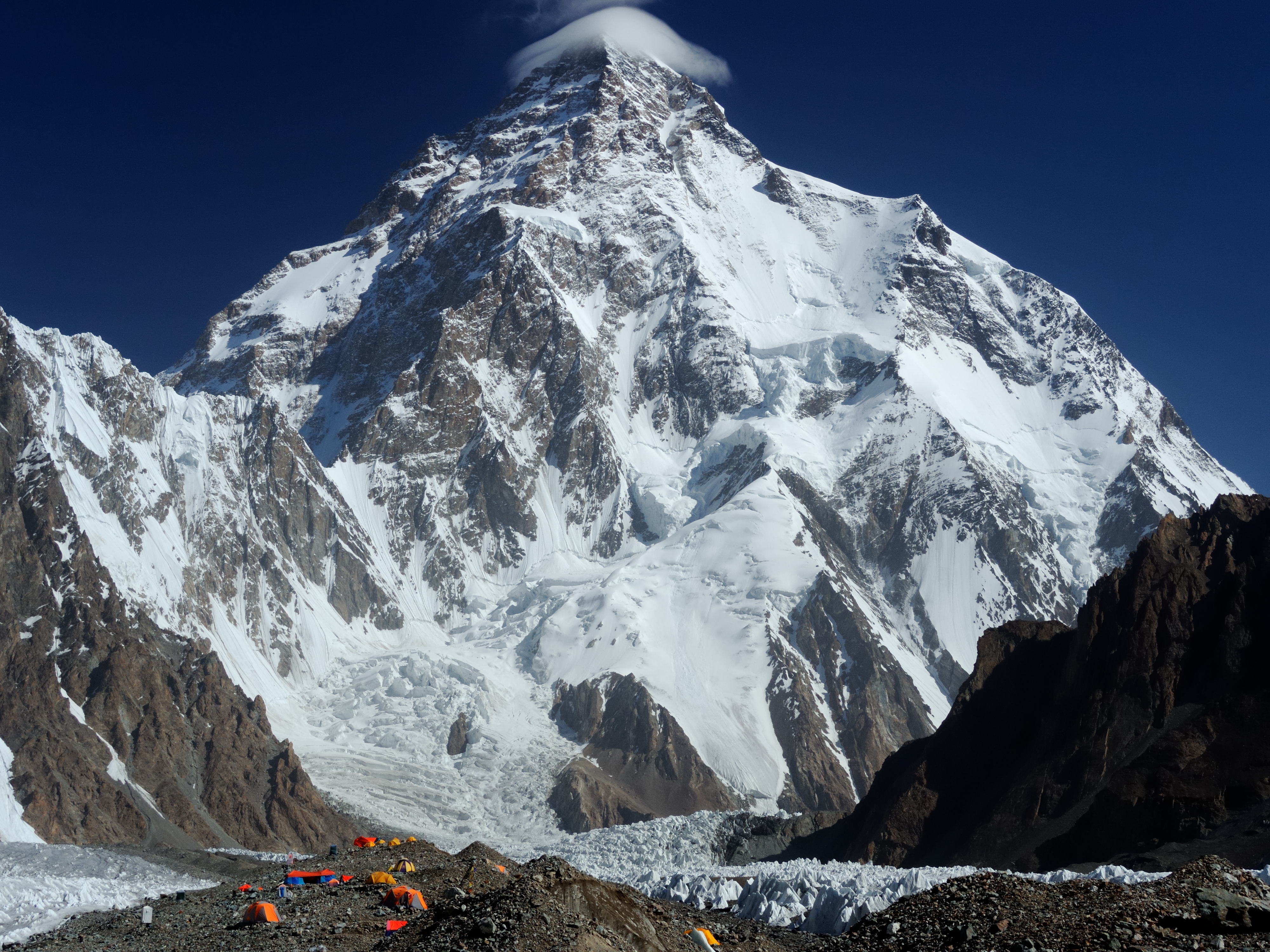
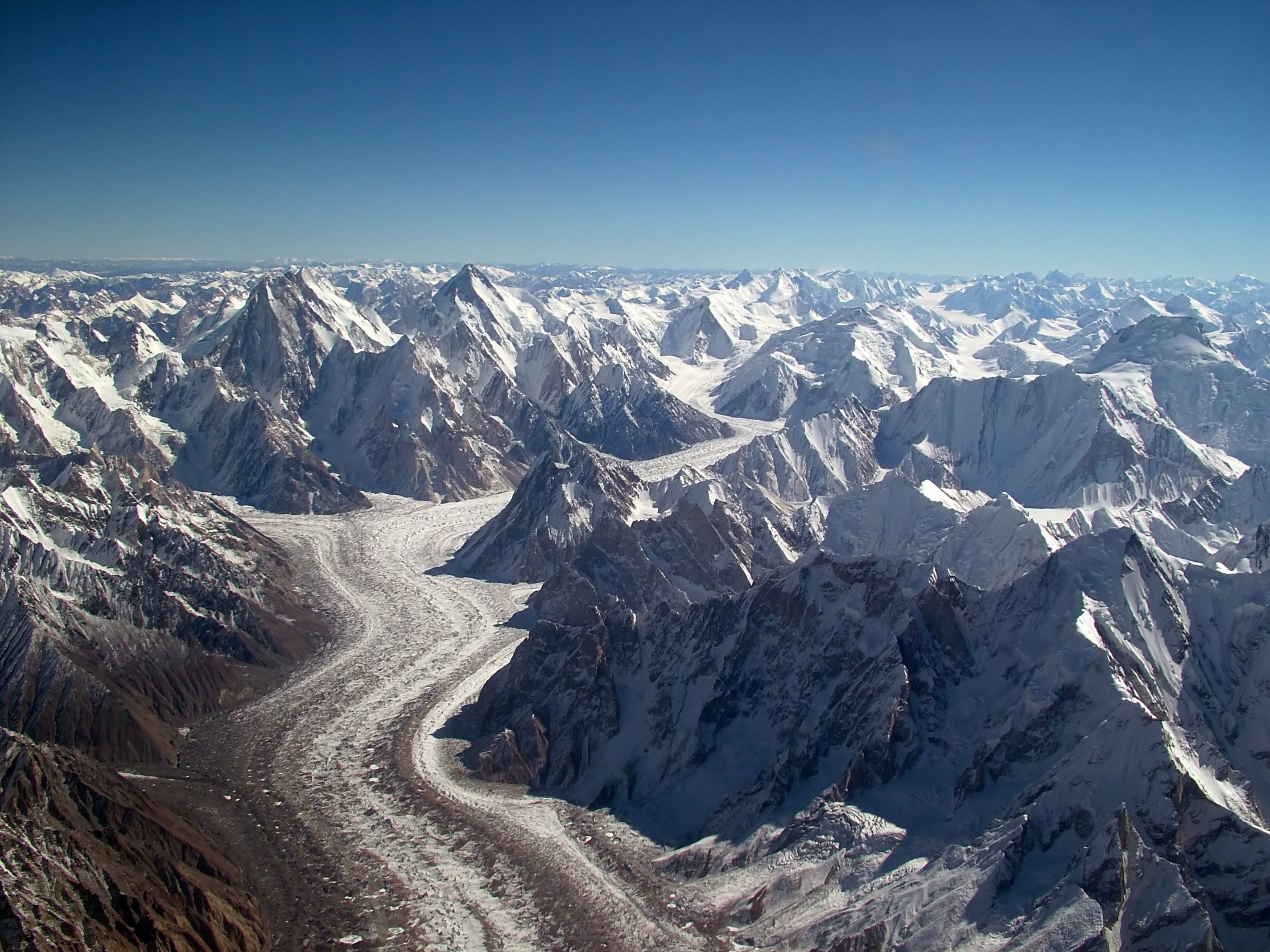
The 5-day Baltoro Glacier approach from Askole to K2 Base Camp at 5,150 metres: Askole to Jhola (3,170 m), Jhola to Paiju (3,400 m) with a rest day at Paiju, then Paiju to Urdukas (4,050 m), Urdukas to Goro II (4,270 m), Goro II to Concordia (4,691 m), and Concordia to K2 Base Camp (5,150 m). Total distance approximately 85 kilometres. The Baltoro approach is physically demanding: 6 to 9 hours daily of moraine walking on rough rocky terrain with significant altitude gain in the final three days.
The approach serves an important acclimatization function. The altitude progression from 3,050 metres at Askole to 5,150 metres at K2 Base Camp over 6 to 7 days is a structured acclimatization ramp. By the time you reach base camp your cardiovascular system has begun producing significantly more red blood cells, your breathing is deeper and more efficient at altitude, and your body's buffering systems have adjusted to the lower ambient CO2. This acclimatization from the approach is the foundation on which all subsequent high-altitude climbing rests. Push the pace on the Baltoro approach and you arrive at base camp already behind on recovery.
Concordia at 4,691 metres is the visual highpoint of the approach regardless of what comes later. The view from the Baltoro-Godwin-Austen glacier junction simultaneously shows K2, Broad Peak, Gasherbrum I, and Gasherbrum II, four separate 8,000-metre peaks from a single point. Your first view of K2 from Concordia is different from the view at base camp. At Concordia you see the full mountain from the southeast, the entire Abruzzi Spur profile, the south face, and the summit pyramid. At base camp you are directly below the mountain and the sense of scale is vertical rather than panoramic.
Days 13–17: Base Camp Establishment and Training
Altitude: 5,150m | Camp setup, training, acclimatization
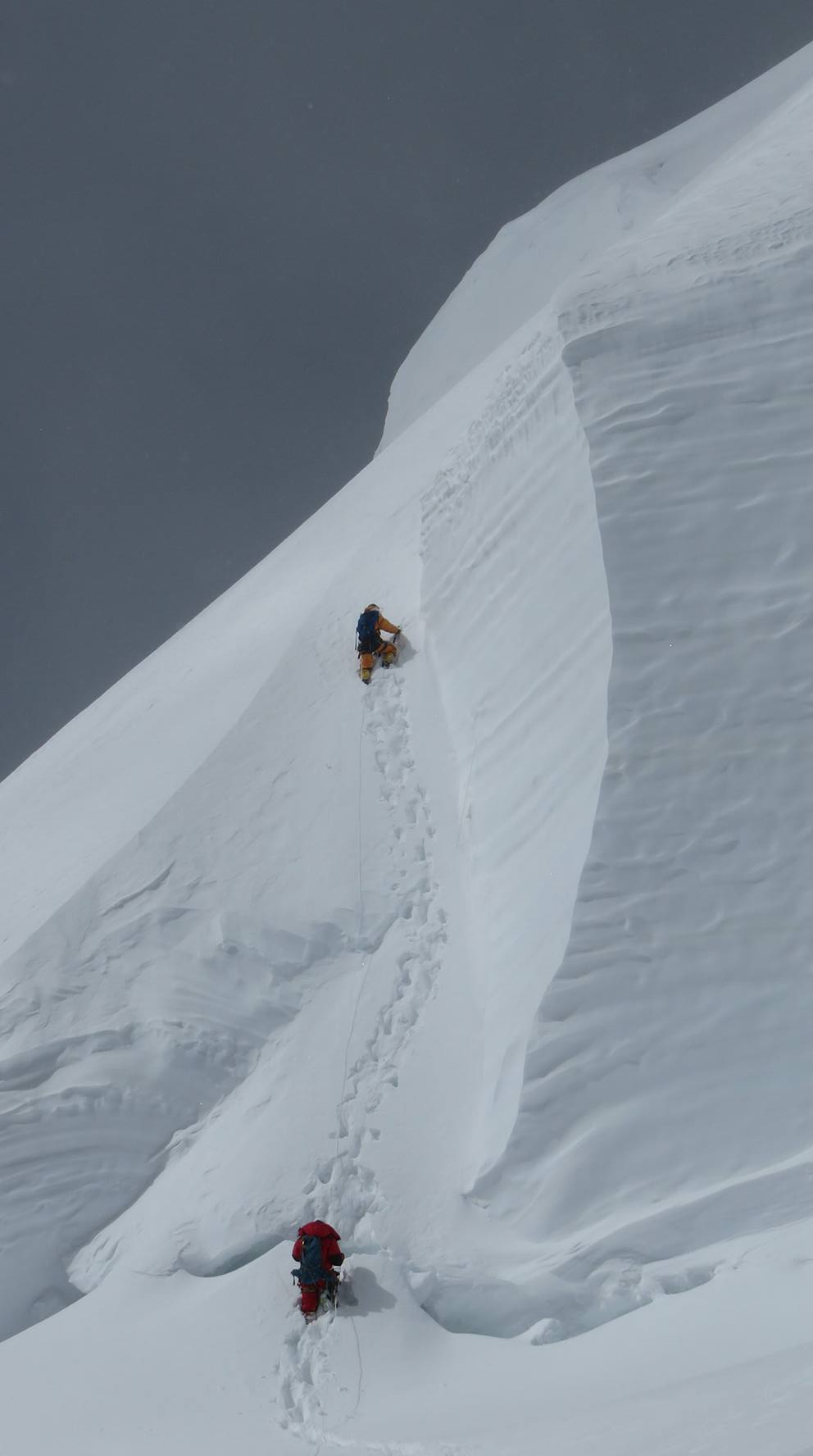
Days 13 to 17 at K2 Base Camp are the establishment and acclimatization phase. Base camp at 5,150 metres is where you will live for 50 of the 65 expedition days. Setting it up properly matters. The first 2 days at base camp are primarily physical establishment: high camp tents pitched at specific locations, the mess tent and cook tent set up with the full kitchen equipment, the toilet system established downwind of the camp, and the communications setup with satellite uplink for daily weather forecasts tested. The expedition doctor or guide conducts a medical assessment of all climbers on arrival at base camp: blood oxygen saturation readings, heart rate, blood pressure, and a structured neurological check.
Days 15 to 17 are the acclimatization rest period at base camp before the first rotation begins. At 5,150 metres altitude sickness is a real risk. Everyone on the expedition spends at least 3 full days at base camp before going above Camp I. Use this time to eat as much as possible (altitude suppresses appetite and caloric deficit at base camp accelerates deterioration at high altitude), to stay hydrated (minimum 4 litres daily at base camp altitude), and to practise using all technical equipment: jumar ascenders on fixed ropes in the camp area, crampon attachment and removal at speed, the oxygen mask system, and radio communication protocol.
The expedition's approach to the mountain for the first time happens on day 16 or 17 as a short reconnaissance. The expedition leader and a small team walk from base camp to the base of the Abruzzi Spur to check the fixed rope anchors placed by earlier-arriving teams and to begin identifying snow and ice conditions on the lower spur. This reconnaissance confirms the planned route and allows the guide to brief the full team on specific hazard sections based on current conditions rather than general descriptions. K2's conditions change every year and sometimes every week.
Days 18–24: First Rotation to Camp II (6,700m)
Altitude: 6,700m | Acclimatization rotation
The first rotation covers Base Camp to Camp I (5,900 m) and Camp I to Camp II (6,700 m), then descent back to base camp to rest. This rotation is the most important training event of the expedition. The psychological purpose is to experience what the fixed rope sections between base camp and Camp II feel like under load, assess your personal performance at this altitude range, and give your guide a clear picture of your technical proficiency and fitness before the full rotation to Camp III. The physiological purpose is to push the acclimatization ceiling upward from 5,150 to 6,700 metres over multiple days.
The Abruzzi Spur between base camp and Camp I gains 750 metres in approximately 3 to 5 hours. The first section above base camp crosses the lower rocky buttresses of the spur on mixed terrain. At Camp I the route transitions to steeper snow and ice. The House Chimney section between Camp I and Camp II is the technical crux of the lower spur: a near-vertical rock chimney approximately 30 metres high that requires jamming, stemming, and jug haul technique with fixed rope assistance. The chimney was first led without fixed protection by Bill House in 1938 and was considered the hardest single pitch on any 8,000-metre peak at that time. With modern fixed ropes it is demanding but manageable for any capable alpinist.
Camp II at 6,700 metres is typically a small platform cut into the snow on the steep face above the House Chimney. From Camp II you look directly down the Abruzzi Spur to base camp 1,550 metres below. The Baltoro Glacier spreads in a wide grey stripe below you. Masherbrum and Chogolisa are visible across the glacier and Broad Peak fills the northern skyline. Spend 1 to 2 nights at Camp II before descending to base camp. Rest thoroughly at base camp for 4 to 5 days before the second rotation. The acclimatization principle is to climb high and sleep low: the exposure to altitude at Camp II programmes your body for the next rotation higher.
Days 25–30: Base Camp Rest
Altitude: 5,150m | Recovery rotation
Base camp rest period of 5 to 6 days after the first rotation. Returning to 5,150 metres from 6,700 metres is itself a physiological event. The richer air at base camp allows faster recovery than staying at altitude would. Over these rest days your body is consolidating the acclimatization gains from the Camp II exposure while repairing the physical wear from the rotation climbing. Eat a lot. The caloric expenditure above 6,000 metres under load is substantial and most climbers arrive back at base camp with a caloric deficit that needs filling before the next push.
Use the rest days to assess your body honestly. The expedition doctor checks blood oxygen saturation and heart rate daily. Normal saturation at base camp for an acclimatized climber is typically 85 to 92 percent. Saturation below 80 percent at rest at base camp indicates incomplete acclimatization or early altitude illness. Address any health issues completely before the second rotation rather than hoping they resolve on the mountain. Delayed onset Acute Mountain Sickness can worsen rapidly when you push above the altitude where symptoms began.
These rest days are also when you review the first rotation performance with your guide. The guide has observed your technical climbing, your pace, your decision-making, and your response to altitude stress. This conversation matters. If your guide identifies issues, take the feedback seriously and adjust. If the guide is satisfied, confirm the second rotation plan: Camp I overnight, Camp II overnight, Camp III at 7,300 metres, and return to base camp. The second rotation typically takes 7 to 9 days round trip.
Days 31–40: Second Rotation to Camp III (7,300m)
Altitude: 7,300m | High camp rotation
The second rotation targets Camp III at 7,300 metres and is the critical acclimatization push that determines summit readiness. From base camp you ascend through Camps I and II to Camp III in 2 to 3 days depending on conditions and individual pace. The section from Camp II to Camp III traverses the upper section of the Abruzzi Spur above 6,700 metres. This terrain is steep snow and mixed rock-ice. Fixed ropes are in place from the first rotation rope-fixing carried out by the expedition's advance team. Ascent from Camp II to Camp III takes 5 to 8 hours under load.
Camp III at 7,300 metres is above the physiological altitude where the body begins to deteriorate even with rest. Above approximately 7,000 metres, called the Death Zone by mountaineers, the human body cannot fully acclimatize and begins breaking down regardless of adaptation. Time spent in the Death Zone must be minimised. The purpose of reaching Camp III on the second rotation is to stimulate maximum acclimatization at the edge of the Death Zone without spending long enough at this altitude to begin significant deterioration. Typically 1 to 2 nights at Camp III on the rotation before descent is the correct protocol.
The descent from Camp III back through Camp II to base camp is 2 to 3 days. The technical sections are more demanding on descent than ascent because fixed rope rappelling requires precise body position and mental focus when exhausted. Move at a controlled speed on all rappel sections. Most K2 accidents involving experienced climbers happen on descent when fatigue compromises technical precision. Back at base camp after the second rotation, allow 7 to 10 days of full rest before the summit push. You are now physiologically ready for the summit attempt, assuming your body has responded normally to the acclimatization sequence.
Days 41–47: Base Camp Rest and Weather Watch
Altitude: 5,150m | Final preparation and summit window monitoring
The waiting period between the second rotation return and the summit push is one of the most psychologically demanding phases of a K2 expedition. You are physically ready but the weather must cooperate. K2's summit weather windows in July and August are brief and unpredictable. A stable window of 3 to 4 consecutive days with summit-level winds below 30 kilometres per hour is required for a realistic summit push. Such windows occur approximately 3 to 5 times per season. Missing one due to incomplete acclimatization is common for fast-moving expeditions. Having completed the two-rotation acclimatization programme, you are ready to move on 48 hours notice when the weather window opens.
Weather monitoring at base camp uses the expedition's satellite forecasting subscription service. Detailed 72-hour and 5-day summit-level wind and precipitation forecasts from commercial meteorological services (MetGram or similar) are downloaded daily. The expedition leader and guide review the forecast each morning and evening. When the forecast shows a multi-day window opening, the summit push begins with a 24-hour preparation notice. All high camp food and oxygen cylinders for the summit push were cached on the rotation climbs and are in position at Camps I through IV.
During the wait the expedition maintains physical fitness with acclimatization walks above base camp and light load carries to Camp I and back on 2 to 3 day intervals. Complete rest during a weather wait allows the body to deteriorate at altitude. Active rest (2 to 4 hour walks daily with modest altitude gain) maintains condition without adding cumulative altitude stress. Eat maximum caloric intake during the wait period. The summit push requires a fully loaded energy reserve.
Days 48–58: Summit Push (BC → C1 → C2 → C3 → C4 → Summit)
Altitude: 8,611m | Summit attempt via Abruzzi Spur
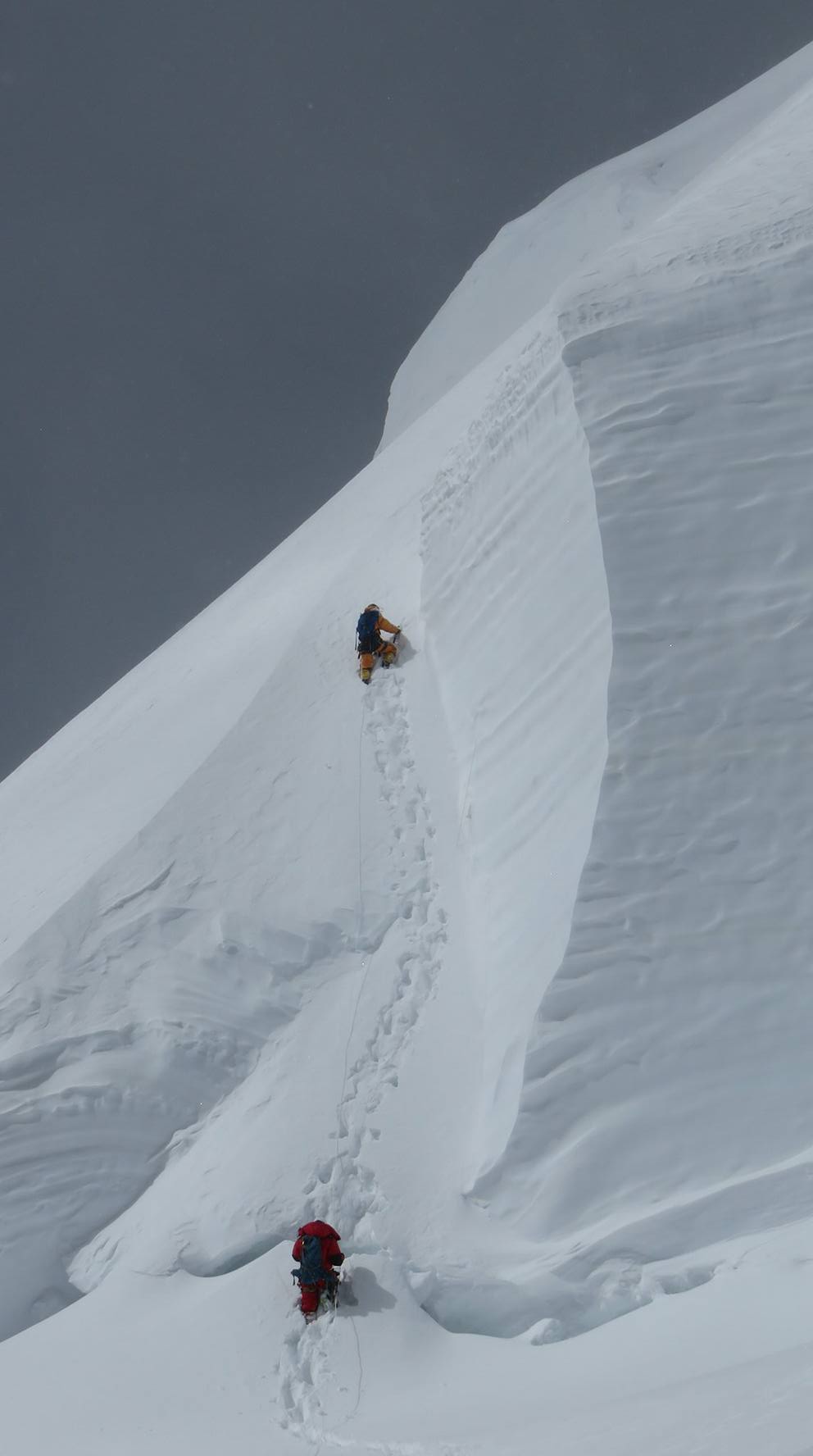
The summit push spans days 48 to 58, an 11-day window that includes the ascent, the summit day itself, and the descent. Day 1 of the push: base camp to Camp I. Day 2: Camp I to Camp II. Day 3: Camp II to Camp III. Day 4: Camp III to Camp IV at 7,800 metres on The Shoulder. Summit day: Camp IV to summit and return to Camp IV. Descent days: Camp IV to base camp over 2 to 3 days depending on conditions and individual pace.
The summit day is the most demanding and dangerous day of the entire 65-day expedition. Camp IV to summit is approximately 800 vertical metres starting from 7,800 metres. Departure from Camp IV is typically midnight to 2 AM to ensure you reach the Bottleneck in pre-dawn conditions when the serac above is coldest and least likely to release. The Bottleneck at 8,300 metres is a steep couloir angled at 45 to 50 degrees beneath the hanging serac band on K2's upper mountain. The serac has released without warning in multiple events including the 2008 disaster that killed 11 climbers when seracs collapsed during the descent of this same section. All climbers use personal supplementary oxygen above Camp III. At the Bottleneck altitude the partial pressure of oxygen is less than 35 percent of sea level. Without supplemental oxygen at 2 litres per minute flow, movement is extremely slow and cognitive function is severely impaired.
Above the Bottleneck the route traverses left (east) below the summit cone and then follows the final snow slope to the summit at 8,611 metres. Total summit day time from Camp IV departure to return to Camp IV is typically 14 to 20 hours depending on conditions. On the summit you have 15 to 30 minutes before the guide directs the descent. The descent from 8,611 metres to Camp IV to Camp III to Camp II to Camp I and back to base camp over 2 to 4 days is where most K2 accidents occur. Descend systematically, maintain the fixed rope connection at all times, do not rush, and communicate continuously with your guide. The mountain is not finished with you until you are below Camp I.
Days 59–61: Reserve Summit Days
Altitude: 5,150–8,611m | Additional weather windows
Three reserve summit push days built into the schedule for weather delays or restarts. If the initial summit push is turned back by weather above Camp II, the team descends to base camp and rests. If the weather window opens again within the reserve day window and the team is physically capable of a second attempt, a second push is launched. In the 2019 to 2025 K2 seasons, approximately 30 to 40 percent of successful summits in commercial expeditions were achieved on a second or third summit push rather than the first attempt. Do not treat a first-push retreat as an expedition failure. It is a normal part of high-altitude weather management on K2.
The decision to launch a second summit push requires honest assessment of three factors: team physical condition after the first push, remaining oxygen supply, and weather forecast. If any of these three factors is inadequate, a second push is not launched. The expedition leader makes this call in consultation with the guide team and each individual client. Expedition dynamics can create peer pressure to attempt a second push when one or more factors are marginal. Your guide's judgement overrides peer pressure. If your guide says conditions do not support a second attempt, that decision stands.
Days 62–64: Trek Out via Baltoro Glacier
Altitude: 5,150–3,015m | Return to Askole
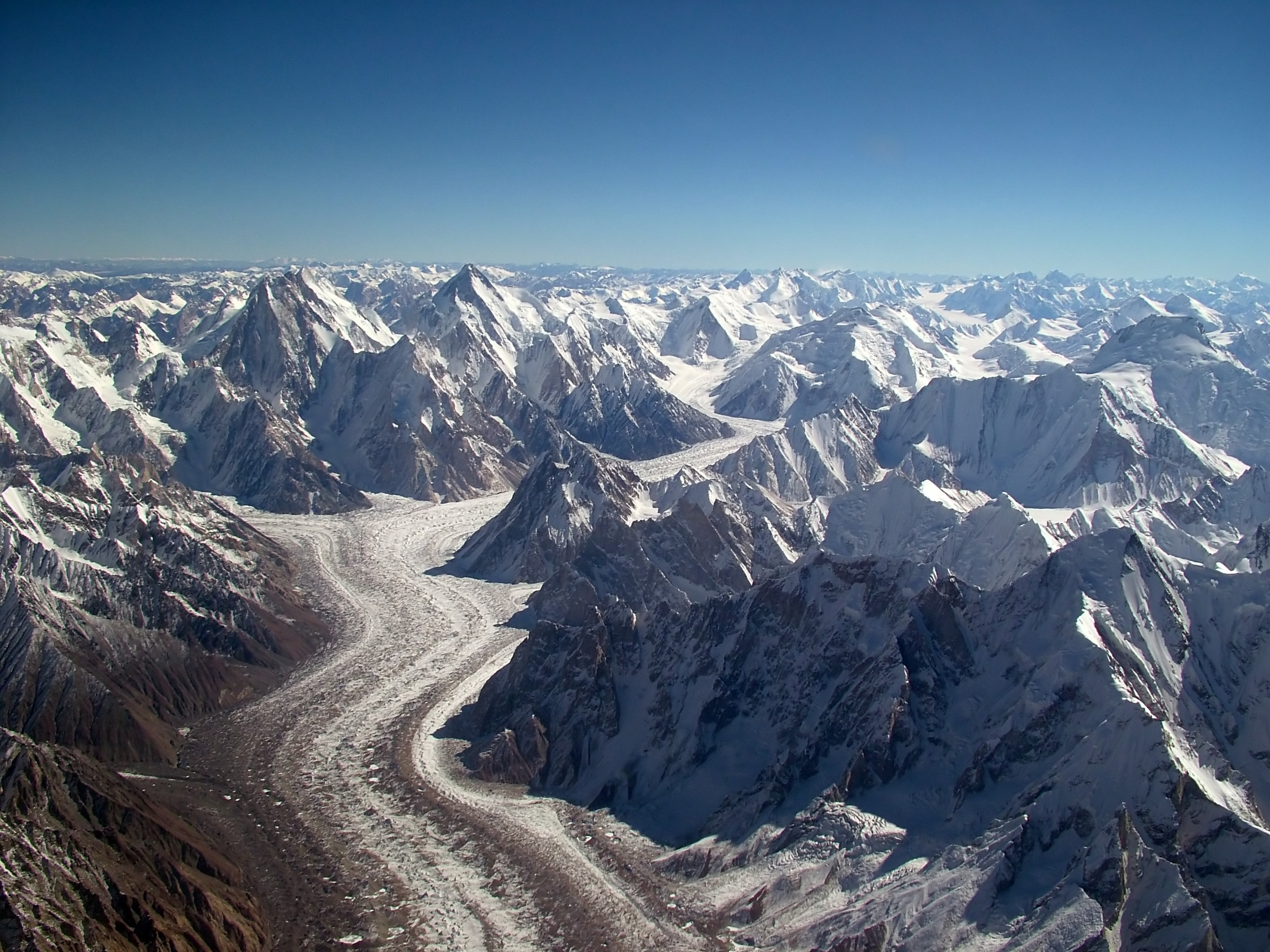
Trek out from K2 Base Camp to Askole via the Baltoro Glacier: 3 days covering approximately 85 kilometres in reverse. Day 1: K2 Base Camp to Concordia (8 km). Day 2: Concordia to Paiju (approximately 30 km covering Goro II and Urdukas in a long day or split across two). Day 3: Paiju to Askole (14 km). After 50 days at or above K2 Base Camp, descending the Baltoro feels easy. The air at 4,000 metres and below is rich compared to anything you have been breathing. The moraine walking is the same rough terrain but your legs carry you over it with a speed and confidence entirely different from the approach.
The trek out carries a specific emotional quality. The expedition is finished regardless of summit outcome. The mountain is behind you. Concordia on the trek out is a final farewell to K2. Most climbers stop at the moraine above Concordia and look back at K2 for a long time before continuing southwest. The mountain that has occupied your physical and mental world for 50 days recedes into the skyline over the course of a single afternoon. By the time you camp at Paiju the summit is below the horizon and only the upper ridge is visible. The following morning it is gone entirely.
The porter team walks with you on the exit and the mood among the group, both clients and staff, is characteristically reflective. Whether the summit was reached or not, the K2 expedition is a transformative experience by the standards of most mountaineering lives. The things that seemed important in the Islamabad hotel on day 1 are genuinely different in proportion after 50 days on the Baltoro and K2.
Day 65: Skardu to Islamabad and Departure
Altitude: 507m | Flight and departure
Drive from Askole to Skardu (4 to 5 hours), overnight in Skardu, then fly Skardu to Islamabad on the morning departure. The Skardu hotel after the expedition is a full reset: hot shower, room service, laundry, phone calls home. The Islamabad arrival completes the 65-day K2 Summit Expedition. Debrief with the expedition leader covers the season summary, permit paperwork, summit certificate if applicable (issued by the Pakistan Ministry of Tourism through the Alpine Club), and any incident reports required by the licensing authority. International flight connections are arranged from Islamabad onward.
Highlights
- Attempt the summit of K2 at 8,611 metres via the historic Abruzzi Spur, the route used by the first ascent team in 1954 and the standard route for all guided expeditions on the Pakistani side.
- Work with a dedicated high-altitude support climber from Camp II onward, with summit day guided support through the Bottleneck couloir at 8,300 metres.
- Establish and acclimatize through four high camps on the Abruzzi Spur: Camp I at 5,900m, Camp II at 6,700m, Camp III at 7,300m, and Camp IV at 7,800m on The Shoulder.
- Live and climb alongside international expedition teams from multiple countries sharing the mountain during the same summit season, the tight-knit international community of K2 climbers.
- Walk the full Baltoro Glacier to K2 Base Camp at 5,150 metres, passing the Trango Towers, Masherbrum, Broad Peak, and Concordia on the approach.
- Experience the Karakoram high camp environment above 7,000 metres where conditions change in hours, supplementary oxygen is essential, and every decision has direct consequences for survival.
- Complete daily acclimatization rotations designed to maximise your physiological readiness for the summit push while managing the cumulative altitude stress that builds over 65 days on the mountain.
Included/Excluded
Return flights Islamabad to Skardu (both directions)
All jeep transport: Skardu to Askole and return
All hotels in Islamabad and Skardu pre and post expedition
All meals from Day 1 through the full expedition duration
Lead certified K2-experienced guide and assistant guide
High-altitude porter team for load carries to Camps I–IV
Base camp cook, cook tent, dining tent, and full camp kitchen
Fixed rope for the full Abruzzi Spur from base camp to summit
Supplementary oxygen for summit day and emergency use (4 bottles per client)
K2 climbing royalty, all trekking permits, and Liaison Officer fees
Daily advanced Karakoram weather forecasting service
Satellite phone, base camp communications, and emergency evacuation plan
High-altitude tents at all camps (group equipment)
All porter wages, insurance, food, and regulated equipment
International flights to and from Pakistan
Pakistan visa fees and personal travel insurance
Personal high-altitude climbing equipment: suit, boots, crampons, ice axe, harness, jumar
Personal supplementary oxygen beyond included expedition allocation
Personal sleeping bag, down gear, and technical personal items
Tips for guides, porters, and camp staff
Medical and evacuation expenses beyond base camp first aid
Personal satellite communicator or personal tracking device
Things To know
Candidate Assessment and Selection
K2 is the most demanding objective in the World of Mountain portfolio and the most demanding in global high-altitude mountaineering. Our selection process reflects this reality  we assess every applicant rigorously before confirming any booking.
The assessment process begins with a written climbing CV covering all previous summit attempts, maximum altitudes achieved, technical routes completed, and guide or partner references. A video call with the lead guide follows for all candidates whose CV reaches the required level. We assess technical knowledge, understanding of K2's specific hazards, psychological preparation, and the depth of experience behind the CV. Candidates with incomplete experience are advised on the specific milestones to achieve before reapplying  we would rather decline and advise than accept an underprepared climber onto K2.
Personal Equipment Requirements
Your personal gear list for K2 is the most extensive and quality-critical of any World of Mountain expedition. Do not compromise on any item listed here  at 8,000 metres in Karakoram conditions, equipment failure is potentially fatal.
- Summit suit: one-piece high-altitude down suit rated to minus 50 degrees Celsius. Two-piece systems are acceptable but less thermally efficient above 8,000 metres.
- Boots: double-insulated, crampon-compatible mountaineering boots rated for K2's temperature range. Test them on a prior expedition, not for the first time on K2.
- Technical hardware: UIAA-rated harness, locking carabiners (minimum 6), jumar ascender, ice axe, 60cm technical ice axe for the Bottleneck section, personal prussik cords, and belay device.
- Sleeping system: minus 40-degree down sleeping bag for high camps; a lighter bag may be used at base camp.
- Communication: a personal Garmin inReach or Spot tracker is strongly recommended for independent location tracking and family messaging capability at all altitudes.
Altitude and Acclimatization Strategy
K2's summit at 8,611 metres places it at the extreme upper limit of human physiological tolerance. The acclimatization strategy for this expedition is more rigorous and conservative than for any other 8,000-metre peak in the portfolio, reflecting K2's uncompromising altitude demands.
- A triple-rotation acclimatization structure (Camp II, Camp III, Camp IV in succession) is the minimum required before the summit push. No rotation is skipped regardless of group fitness or schedule pressure.
- Daily SpO2 and heart rate monitoring continues from Skardu through the summit attempt. Readings below established thresholds trigger mandatory rest days before further ascent.
- The complete expedition pharmacy includes dexamethasone, nifedipine, acetazolamide, aspirin, and ondansetron for high-altitude medical management. The guide is trained in field diagnosis and treatment.
- Descent is non-negotiable at the first sign of HACE or HAPE. The guide's medical assessment overrides any individual client's desire to push higher on the day of symptoms.
- Supplementary oxygen use strategy is planned individually for each climber during the base camp briefing, taking into account their prior altitude history and physiological profile.
The K2 Summit Day Protocol
Summit day on K2 is the most logistically complex and physically demanding single event in mountain climbing. The protocol is planned in minute-by-minute detail and reviewed with the full team before the push begins from Camp IV.
Departure from Camp IV at the Shoulder (7,900m) begins between midnight and 1am to ensure the team reaches and clears the Bottleneck couloir before dawn warms the serac above. The Bottleneck section takes two to three hours in good conditions. Above the Bottleneck, the upper snowfield leads to the summit over a further two to three hours. Total summit day ascent time from Camp IV is typically twelve to sixteen hours round trip. Any climber who has not reached the Bottleneck exit by 11am is turned around by the guide regardless of their perceived capacity  K2's afternoon weather and the serac's thermal response are non-negotiable factors in the timing decision.
Permits, Royalty, and Logistics
K2 requires the most complex permitting structure of any Pakistan climbing objective. World of Mountain manages the complete process, but certain personal documents must be submitted promptly after booking confirmation to meet government deadlines.
- The K2 climbing royalty is one of the highest of any 8,000-metre peak. The fee is included in the expedition cost and covers the full team for the expedition period.
- A government-appointed Liaison Officer accompanies the expedition from Skardu. The LO is present at base camp throughout and conducts route and camp inspections.
- An environmental deposit is held by the Ministry of Tourism and returned upon verified clean departure with all waste documented and removed.
- Passport copies, climbing CVs, medical certificates, and insurance documentation must be submitted to World of Mountain at least sixteen weeks before the expedition departure date.
- K2 expedition permits are allocated in limited numbers by the Pakistan government. Applying early is essential  permits for popular expedition seasons can be fully allocated by January of the same year.
Mental Preparation and Expedition Psychology
K2 is as much a mental challenge as a physical one. The combination of extreme altitude, unpredictable weather, extended time in a remote environment, and the proximity of objective danger requires psychological resilience that is built deliberately, not assumed.
Experienced K2 climbers consistently report that the ability to accept weather delays, tolerate uncertainty, and make rational decisions under extreme physical stress is as important as technical ability. Read accounts by climbers who have succeeded and who have turned around  the latter are often more instructive. Discuss your mental preparation strategy with the guide during the pre-expedition briefing. The sixty-five day expedition includes significant periods of waiting at base camp. These are not wasted days  they are essential recovery and preparation time. Approach them as part of the expedition, not as an obstacle to it.
FAQs
What prior experience is required for the K2 expedition?
Summit experience on at least one 8,000-metre peak is the minimum requirement. We assess each applicant individually. The purpose of the 8,000-metre prerequisite is not to check a box but to verify that you have been above 7,000 metres before, used supplementary oxygen at altitude, lived in a high camp for multiple days, and have direct personal experience of the Death Zone environment. K2 is not a suitable first 8,000-metre objective under any circumstances. The Bottleneck at 8,300 metres is a genuine objective hazard that demands technical precision at the limit of human physiological capacity. Encountering this section for the first time without prior 8,000-metre experience is how accidents happen.
Beyond altitude experience, you need: verified technical climbing ability on ice and mixed terrain at Alpine grade D or above, capacity to ascend and descend fixed ropes under load for 8 to 10 hours continuously, and documented fitness testing (VO2 max measurement is useful). Your application should include a full climbing CV listing all significant ascents including altitudes reached, routes, and conditions. We review every CV before accepting an application.
Is supplementary oxygen used on K2?
Supplementary oxygen is used by all climbers in our expedition above Camp III at 7,300 metres. Each client carries their own personal oxygen system including cylinders and regulator. The standard flow rate is 2 litres per minute for climbing and 0.5 to 1 litre per minute for sleeping. A typical client requires 6 to 8 cylinders of 4-litre capacity for the summit push from Camp III through to the descent back to Camp III. Cylinder weight is approximately 3 kilograms each full, making the oxygen carry alone 18 to 24 kilograms that must be distributed between camps during rotations.
The decision to use supplementary oxygen is primarily safety-driven, not comfort-driven. Above 8,000 metres on K2 without oxygen, decision-making is severely compromised, movement is extremely slow, and the risk of HACE (High Altitude Cerebral Oedema) increases significantly. Expeditions that attempt K2 without supplementary oxygen (about 20 percent of all K2 attempts historically) have a dramatically lower success rate and a higher accident rate than expeditions using oxygen. We do not support no-oxygen attempts in our guided expedition format.
What is the summit success rate on K2?
The summit success rate across all K2 attempts since the first expedition in 1902 is approximately 25 to 30 percent. This includes all attempts including those by elite unguided climbers with full high-altitude experience. For guided commercial expeditions the rate is lower, around 15 to 25 percent depending on the season and the quality of the client group. In contrast, the Everest guided summit success rate is above 65 percent in a good season. The difference reflects K2's greater technical difficulty, more severe weather, and the objective hazard of the Bottleneck serac band.
In practical terms: statistically more than half the people who arrive at K2 Base Camp with summit intentions do not reach the summit. Some are turned back by weather. Some by physical limitations discovered at altitude. Some by the guide's professional assessment that a client is not ready for the summit push. Some by rational self-assessment at Camp IV. Booking this expedition means accepting that the summit is a realistic objective but not a guaranteed outcome. The goal is a safe, well-managed attempt on one of the world's great mountains. The summit is the best possible result of that attempt, not the minimum acceptable result.
What is the Bottleneck?
The Bottleneck is a steep (45 to 50 degree) ice couloir at approximately 8,300 metres on K2's Abruzzi Spur route. It sits directly below a hanging serac band, an overhanging glacier feature that periodically releases massive ice blocks without warning. The couloir is approximately 100 metres long and is the final technical passage before the summit traverse. It is fixed with ropes by the leading teams each season and all climbers ascend and descend it clipped to fixed protection.
The Bottleneck has been the site of the deadliest accidents in K2 history. The 2008 disaster, in which 11 climbers died in two days, was primarily caused by serac collapse on the Bottleneck during the descent of multiple teams. The serac above the Bottleneck is in constant slow motion, calving sections at irregular intervals that cannot be predicted or anticipated. The strategy for reducing risk at the Bottleneck is simple: move fast, move early (before midday warming increases ice movement), and minimise the time spent below the serac. Guides plan the Bottleneck crossing in the pre-dawn hours specifically for this reason.
How many guides and support staff are on the expedition?
Each client works with one dedicated World of Mountain high-altitude support climber from Camp II upward. On summit day each client has their assigned support climber in direct proximity throughout the Bottleneck and upper summit section. The expedition leader is the overall technical director and makes all go or no-go decisions for the summit push. Additionally, a camp staff team manages Camps I and II throughout the expedition, a base camp manager runs the cook tent and communications, and the liaison officer is present at base camp throughout. The total expedition staff to client ratio is approximately 2.5 support persons per client.
Are there other teams on K2 during the expedition?
Yes, typically 3 to 8 international expeditions share the mountain during any given K2 season. Teams from Pakistan, Korea, Italy, Spain, USA, UAE, and other nations are regular participants in the K2 season. The international teams cooperate on several key logistical elements including coordinated rope fixing on the Abruzzi Spur (teams share the cost and labour of fixing ropes from base camp to Camp IV), weather monitoring sharing, and emergency response. The K2 climbing community during the summer season is a tight international group. Most experienced high-altitude climbers know each other from previous expeditions and the base camp atmosphere, while serious, is collegial.
What happens if the weather does not permit a summit attempt?
If weather prevents a summit attempt during the expedition window, the expedition concludes without a summit attempt and the team treks out via the Baltoro to Askole. The K2 climbing royalty fee paid to the Pakistan Ministry of Tourism is non-refundable as it covers the permit period regardless of summit outcome. Expedition costs are non-refundable after the expedition departure. We do not offer rebooking credits or partial refunds for weather-prevented summit attempts. This is standard practice across all commercial K2 operators. The only variable outside weather is the expedition's own performance and decision-making.
Is personal oxygen equipment required?
Personal supplementary oxygen equipment (cylinders and regulator) is the client's responsibility. The standard cylinder is 4-litre aluminium or composite, and the standard regulator is the Summit Oxygen or Topout type compatible with the cylinder valve standard used in Pakistan (CGA 870 or equivalent). Your expedition preparation pack includes specifications for compatible equipment. Most clients purchase or rent oxygen systems through specialist high-altitude suppliers and ship them to Pakistan in advance. We can advise on suppliers and handle in-country customs paperwork for equipment shipped ahead of the expedition.
What is included in the K2 climbing royalty?
The K2 climbing royalty is the government of Pakistan permit fee for attempting K2. For the period 2023 to 2026, the royalty for K2 is approximately 1,800 USD per person for the standard expedition permit. This fee is paid to the Pakistan Ministry of Tourism through the Pakistan Alpine Club. It is included in the total expedition price on our tour listing. You pay no additional permit fees in Pakistan. The royalty covers the full climbing period from base camp establishment to evacuation.
How does World of Mountain manage safety on K2?
Safety management on K2 is not a single action but a continuous process across all 65 expedition days. Key elements: a fixed daily weather briefing with commercial-grade summit forecasts, a formal go or no-go protocol for every transition above base camp that requires the guide's sign-off, blood oxygen saturation monitoring at base camp and each high camp, a clear turn-back altitude in the brief for summit day (if the summit is not reached by a time agreed the night before, descent begins regardless of proximity to the top), full supplemental oxygen from Camp III upward, one support climber per client above Camp II, and a Gamow bag and emergency medications at base camp.
The turn-back time rule is the most important single safety measure on summit day. In the 2008 K2 disaster a contributory factor was climbers continuing toward the summit past the agreed turn-back time because they were close and the summit was visible. Those climbers were descending the Bottleneck in deteriorating afternoon conditions when the serac collapsed. The turn-back time is non-negotiable in our expedition. If you are at 8,400 metres at the agreed turn-back time, you turn back. The summit will still be there next season.
When is the K2 summit season?
The established K2 summit season runs from late June through mid-August. The summit window, the period of stable high-pressure weather that makes summit attempts possible, typically occurs between late July and early August. Historical analysis of K2 summits shows that approximately 70 percent of all K2 summits have occurred in the first three weeks of August. The expedition is timed to have fully acclimatized teams ready for the late July to mid-August weather window.
Pre-monsoon (April-May) attempts on K2 Pakistani side are rare and generally have lower success rates due to colder temperatures and more unstable weather at summit altitude. Post-monsoon autumn attempts on K2 are extremely rare and generally inadvisable due to early winter conditions. The summer season window is the only reliably viable period for guided commercial expeditions on the K2 Abruzzi Spur.
What is the expedition departure date?
Our K2 expeditions depart Islamabad in late May with the specific date varying by year based on permit allocation and team composition. Current year departures are listed on our website with real-time availability. Most years we run one K2 expedition per season. Enquire directly for departure date confirmation for any specific year as permit quotas sometimes affect scheduling.
Tour Location
K2 (8,611m), Karakoram, Pakistan
Reviews
0/5
Not Rated
Based on
0 review
Excellent
0
Very Good
0
Average
0
Poor
0
Terrible
0
No Review
10%
from
$28,000
$25,000
from
$28,000
$25,000