Inca Trail to Machu Picchu
Inca Trail, Cusco Region, Peru
0/5
0% of guests recommend
Duration
7 Days
Tour Type
Trekking
Group Size
15 persons
Overview
Trek Overview
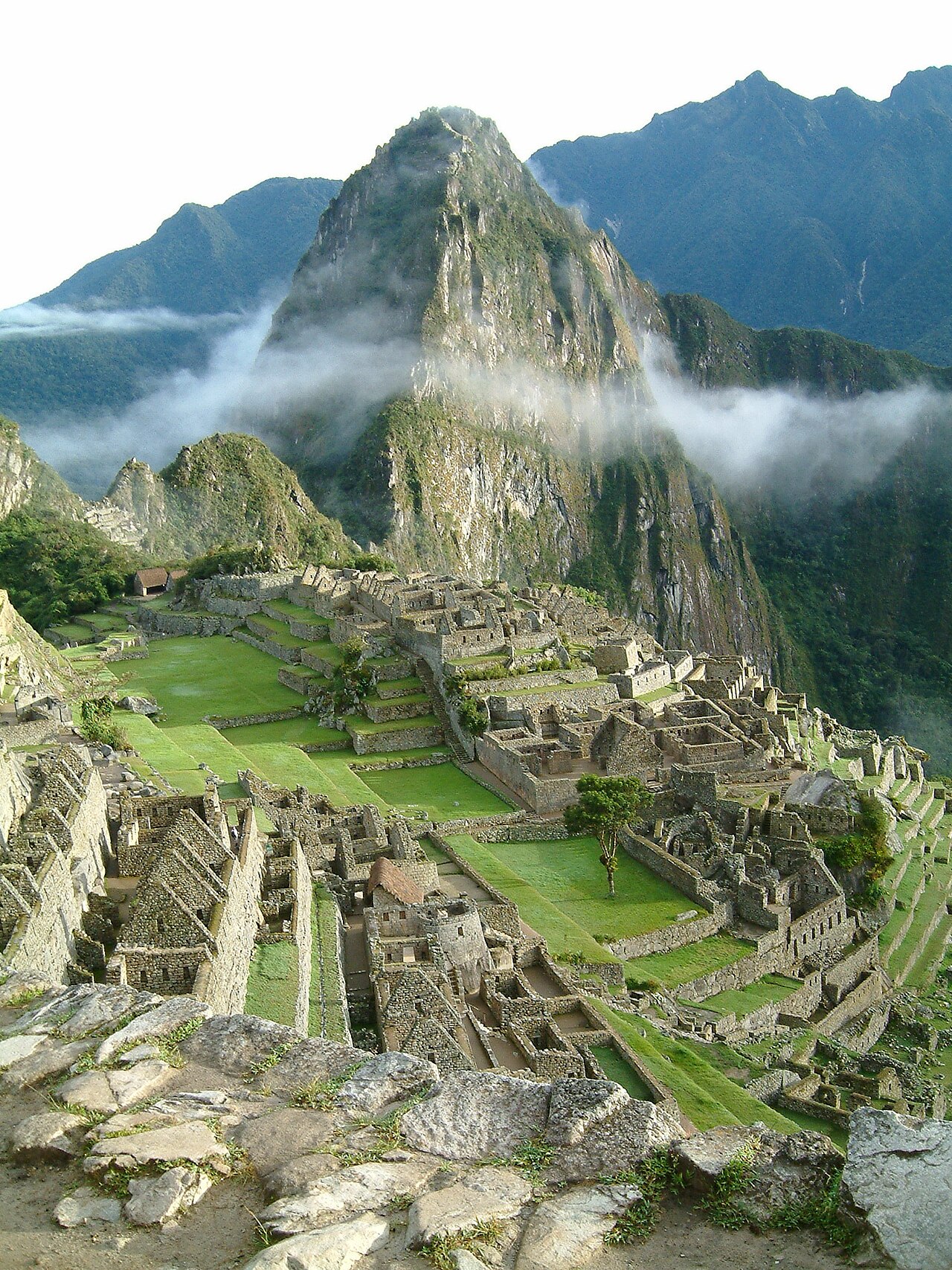
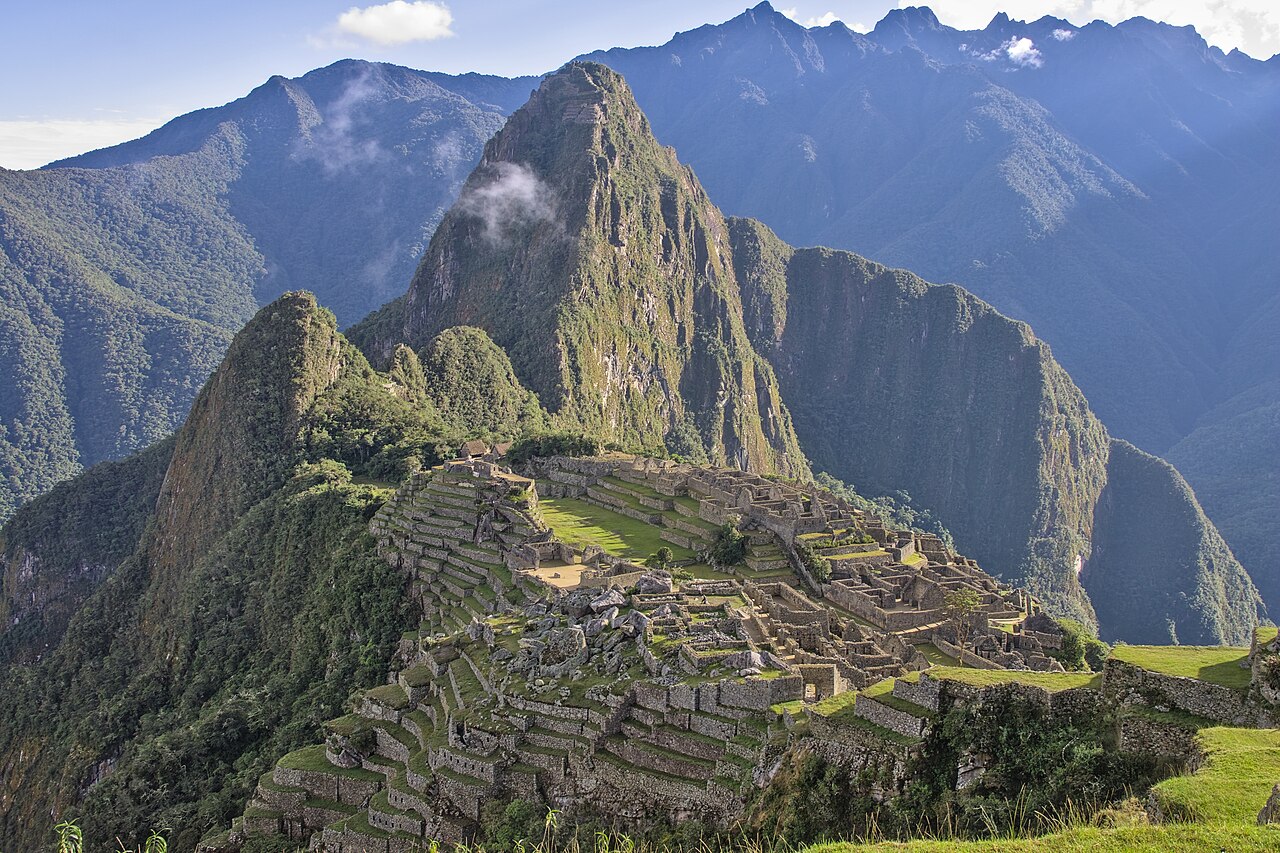
The Classic Inca Trail is the only way to walk into Machu Picchu on foot along the original Inca-built stone road, arriving through the Sun Gate (Inti Punku) at sunrise. This 7-day itinerary combines a day of acclimatization in Cusco with the 4-day, 3-night classic trek, passing four remote archaeological sites and crossing the trail's highest point, Dead Woman's Pass (4,215m), before descending into the cloud forest to Machu Picchu itself.
Route & Altitude Profile
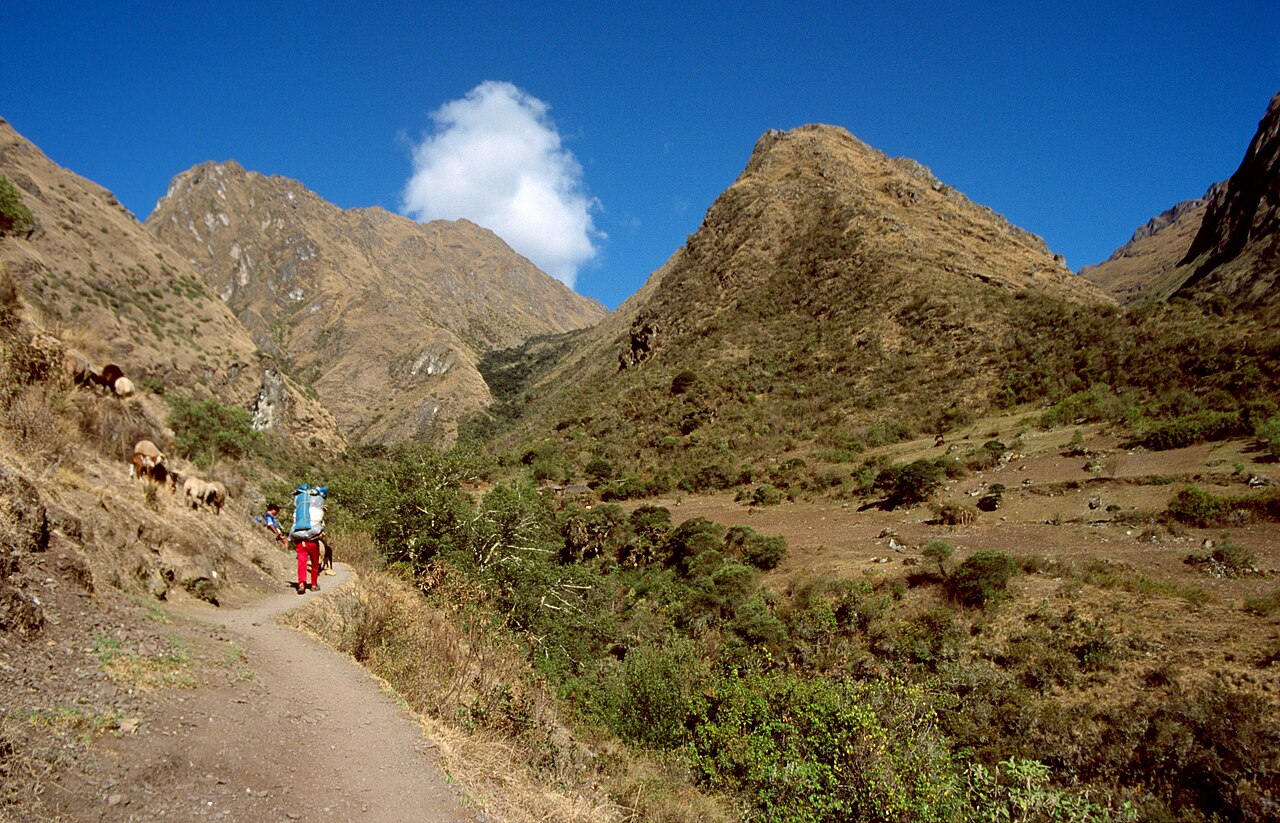
The trek runs Km 82 (2,720m) - Wayllabamba (3,300m) - Dead Woman's Pass (4,215m) - Pacaymayo (3,600m) - Phuyupatamarca (3,680m) - Winay Wayna (2,650m) - the Sun Gate (2,720m) - Machu Picchu (2,430m), covering roughly 43km over four days with daily walks of 5 to 10 hours.
Difficulty & Fitness
Rated moderate to challenging. Day 2, crossing Dead Woman's Pass, is the most demanding day of any of our treks in terms of sustained altitude gain, and Day 3's long descent is hard on the knees. No technical climbing is required, but a good base level of cardiovascular fitness is essential.
Best Time to Trek
The dry season from April to October offers the clearest skies and most stable trail conditions, with May, June, and July the most popular months. The trail is closed every February for maintenance, and the wet season (November to March) brings a higher chance of rain.
Permits & Regulations
Access is strictly capped at 500 permits per day (around 200 for trekkers, the rest for guides, porters, and cooks), and solo hiking is not permitted under any circumstances - every trekker must be part of a licensed operator's group. Permits are non-transferable and locked to your passport, so booking 5-6 months ahead is strongly recommended for the May-September peak season.
Camping & Meals
Trekkers camp for three nights in 4-season expedition tents prepared by a dedicated support crew, with a professional trail chef providing full board meals, snacks, and coca tea throughout. One night's hotel accommodation in Cusco is included before the trek begins.
Altitude Sickness & Safety
With a high point of 4,215m at Dead Woman's Pass, altitude is a genuine consideration on this trek. A day of acclimatization in Cusco (3,400m) before departure, a steady pace, and a guide trained to monitor for Acute Mountain Sickness all help manage the risk; the crew carries emergency oxygen and a pulse oximeter throughout.
Itinerary
Day 1: Arrival in Cusco
Cusco (3,400m)
Arrive in Cusco and transfer to your hotel. The rest of the day is free to rest and begin acclimatizing to the altitude, with a pre-trip briefing in the evening.
Day 2: Cusco Acclimatization & Sacred Valley Tour
Cusco and the Sacred Valley (2,800-3,400m)
A guided day in the Sacred Valley to aid acclimatization, visiting Inca sites such as Pisac or Ollantaytambo before returning to Cusco for a final equipment check.
Day 3: Trek to Wayllabamba
Km 82 (2,720m) to Wayllabamba (3,300m), approx. 6-7 hrs, 12km
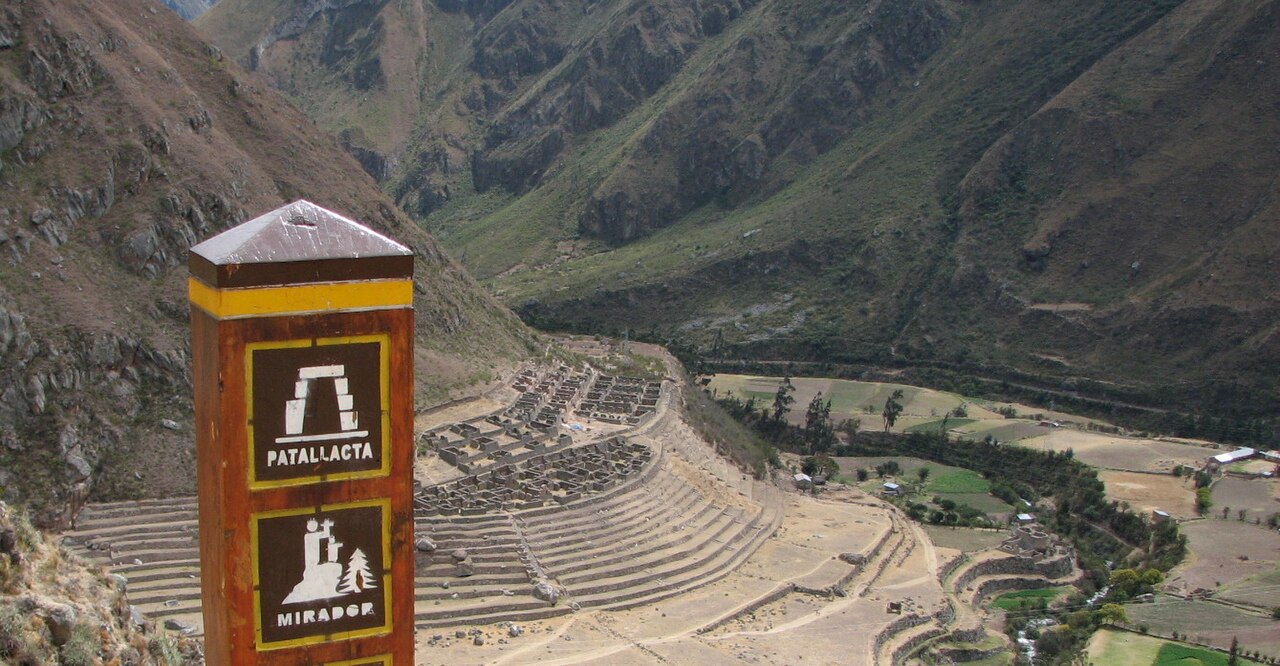
Drive to the Km 82 trailhead and begin trekking, passing the ruins of Patallacta before reaching the campsite at Wayllabamba, the last inhabited village on the trail.
Day 4: Over Dead Woman's Pass to Pacaymayo
Wayllabamba (3,300m) over Dead Woman's Pass (4,215m) to Pacaymayo (3,600m), approx. 8-10 hrs, 16km
The toughest day of the trek: a long, steady climb to Dead Woman's Pass, the trail's highest point, followed by a descent to camp beside the Pacaymayo river.
Day 5: Trek to Winay Wayna
Pacaymayo (3,600m) via Phuyupatamarca (3,680m) to Winay Wayna (2,650m), approx. 5-6 hrs, 10km
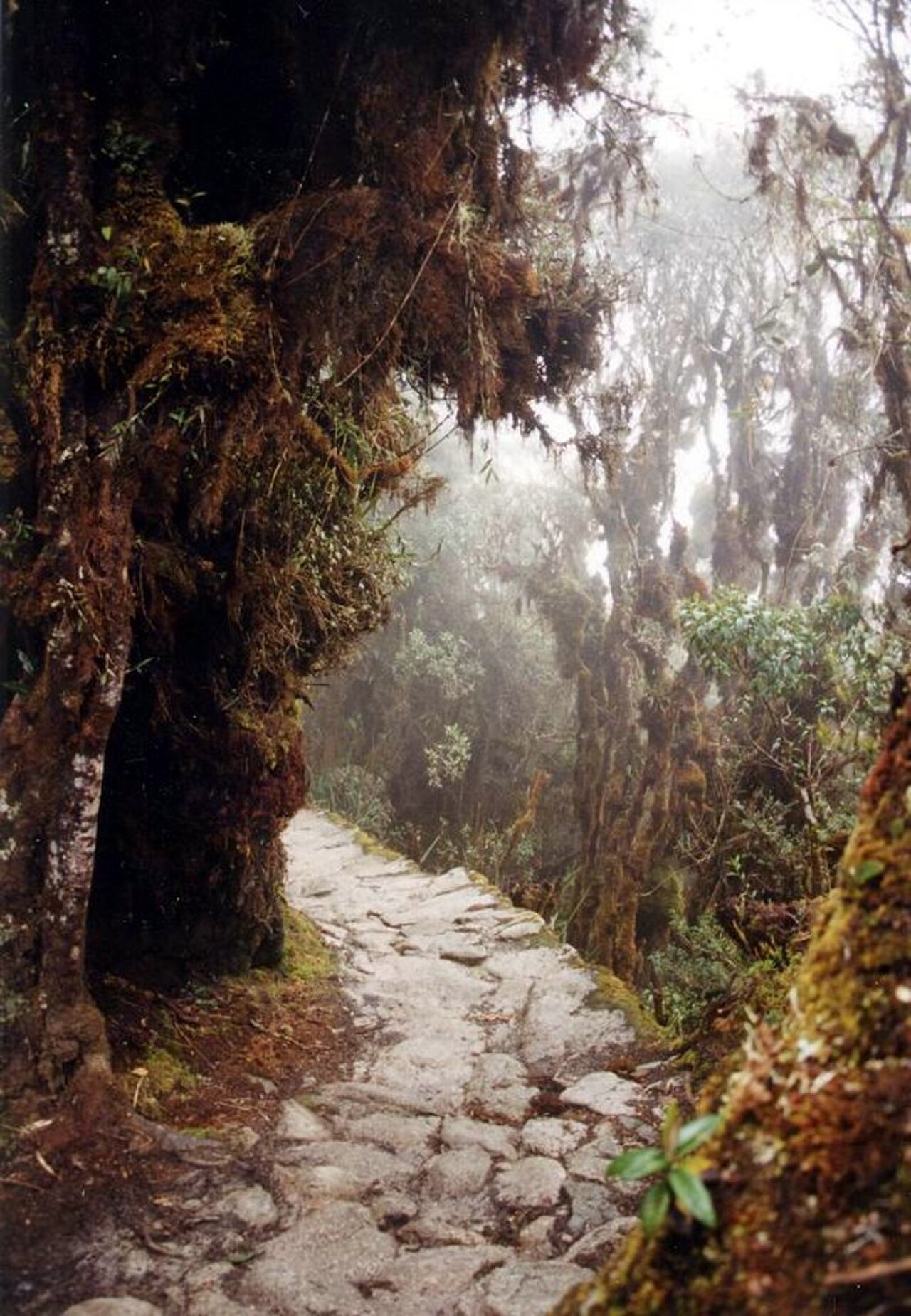
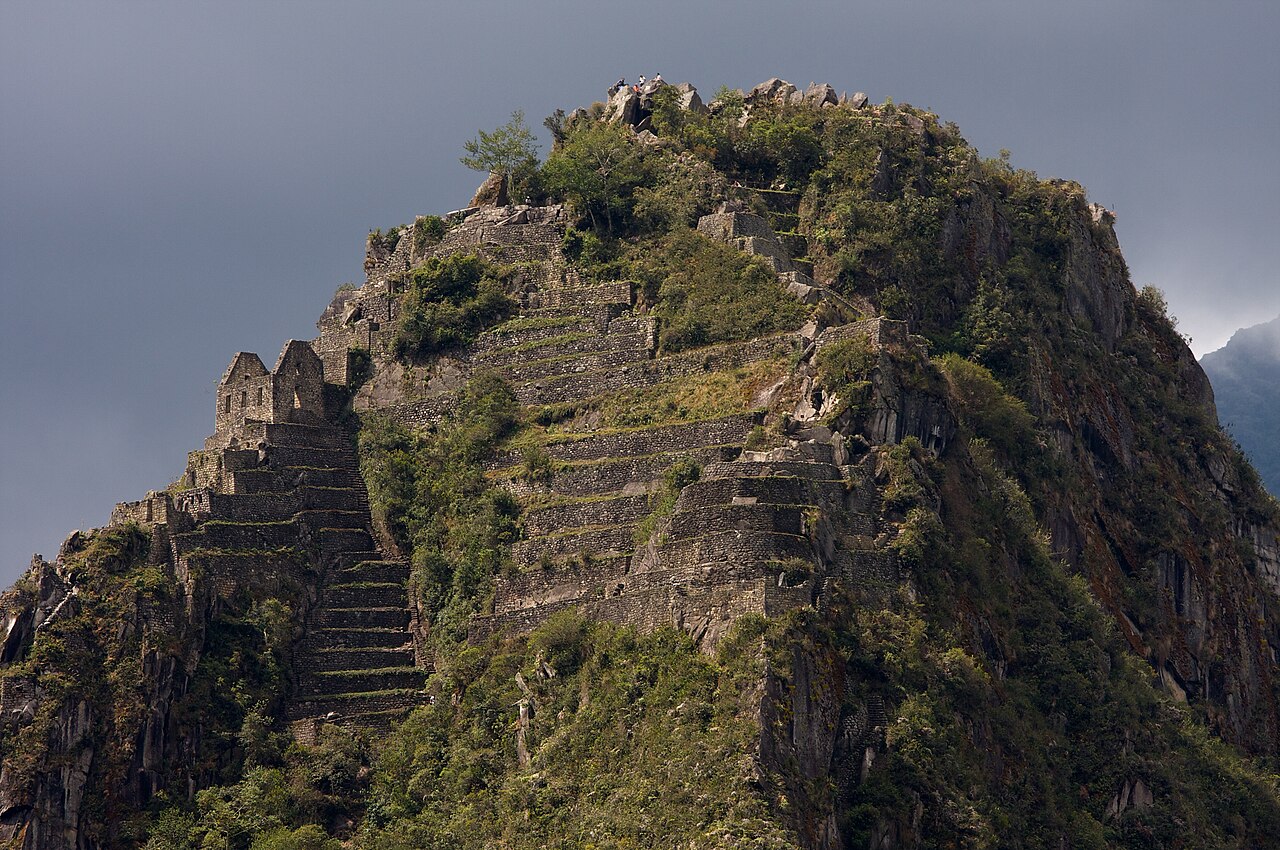
Visit the ruins of Runkurakay and Sayacmarca, cross a second pass near Phuyupatamarca with its ceremonial fountains, then descend through cloud forest to camp near the ruins of Winay Wayna.
Day 6: Sun Gate, Machu Picchu & return to Cusco
Winay Wayna to the Sun Gate (2,720m) and Machu Picchu (2,430m), then train and transfer to Cusco
An early start to reach the Sun Gate (Inti Punku) at sunrise for your first view of Machu Picchu, followed by a guided tour of the citadel before taking the train back to Cusco via Ollantaytambo.
Day 7: Departure from Cusco
Cusco - Alejandro Velasco Astete International Airport
Free time in Cusco until your transfer to the airport for your onward flight, or extend your stay to explore more of the Sacred Valley.
Highlights
- Arrive at Machu Picchu through the Sun Gate (Inti Punku) at sunrise
- Cross Dead Woman's Pass (4,215m), the trail's highest point
- Explore remote Inca ruins at Patallacta, Runkurakay, Sayacmarca, and Winay Wayna
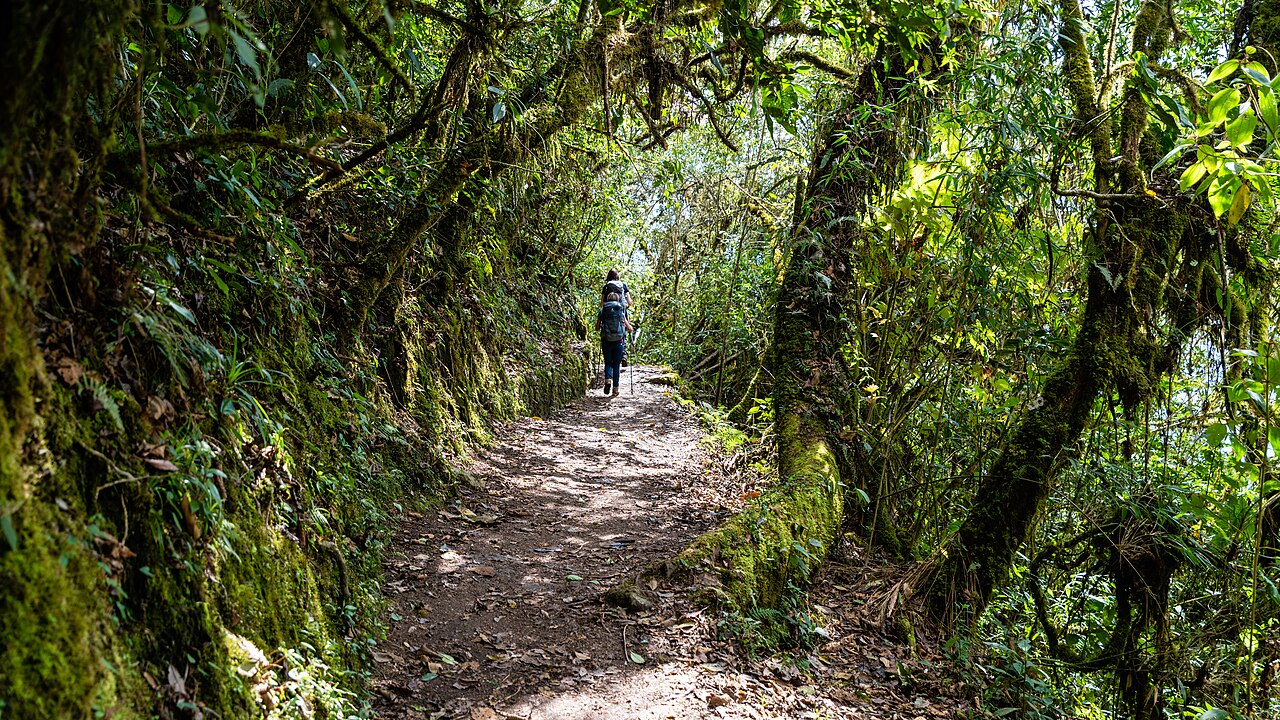
- Walk an original Inca-built stone trail through cloud forest and high Andean passes
- A strict daily permit cap of around 200 trekkers keeps the trail uncrowded
- Full support crew of porters, chef, and guide throughout
Included/Excluded
Cusco hotel pickup and private transfer to Km 82 on trek start day
1 night hotel accommodation in Cusco (pre-trek) with breakfast
Certified bilingual (English/Spanish) Inca Trail guide
Classic Inca Trail permit issued in your name
Machu Picchu entrance ticket
Licensed porter team (20kg weight cap) carrying camping and kitchen equipment
Professional trail chef and kitchen crew
3 nights camping in 4-season expedition tents
All meals during the trek, plus daily snacks and coca tea
PeruRail return train from Aguas Calientes to Ollantaytambo
Private transfer from Ollantaytambo back to your Cusco hotel
First aid kit with emergency oxygen and pulse oximeter
All park and conservation fees
International and domestic airfare to/from Cusco
Travel insurance with high-altitude trekking cover
Sleeping bag and trekking poles (available to rent)
Huayna Picchu or Machu Picchu Mountain add-on permits
Lunch on the final day of the trek
Meals in Cusco outside of the included pre-trek breakfast
Personal trekking gear and clothing
Tips for guide, porters, and chef
Alcoholic beverages and bottled water
Personal expenses and souvenirs
Extra nights in Cusco due to flight or train delays
Peru entry visa fees, where applicable
Things To know
Permit Booking Lead Time
Inca Trail permits are capped at around 200 trekkers per day and sell out 5-6 months ahead for the May-September peak season - book as early as possible.
Physical Fitness & Training
Regular cardio training in the weeks before departure will make Dead Woman's Pass and the long descent on Day 3 significantly more comfortable.
Altitude Acclimatization in Cusco
Cusco itself sits at 3,400m. Arriving a day or two before the trek starts, staying hydrated, and avoiding alcohol help the body adjust before the trek's higher passes.
Packing List & Gear
Key items include layered clothing, a warm sleeping bag (rentable), rain gear, sturdy hiking boots, and a headlamp for the pre-dawn walk to the Sun Gate.
Porter Weight Limits
Peruvian regulations cap porter loads at 20kg, including their own gear; personal duffel allowance is typically 7kg per trekker.
Trekking Poles & Trail Rules
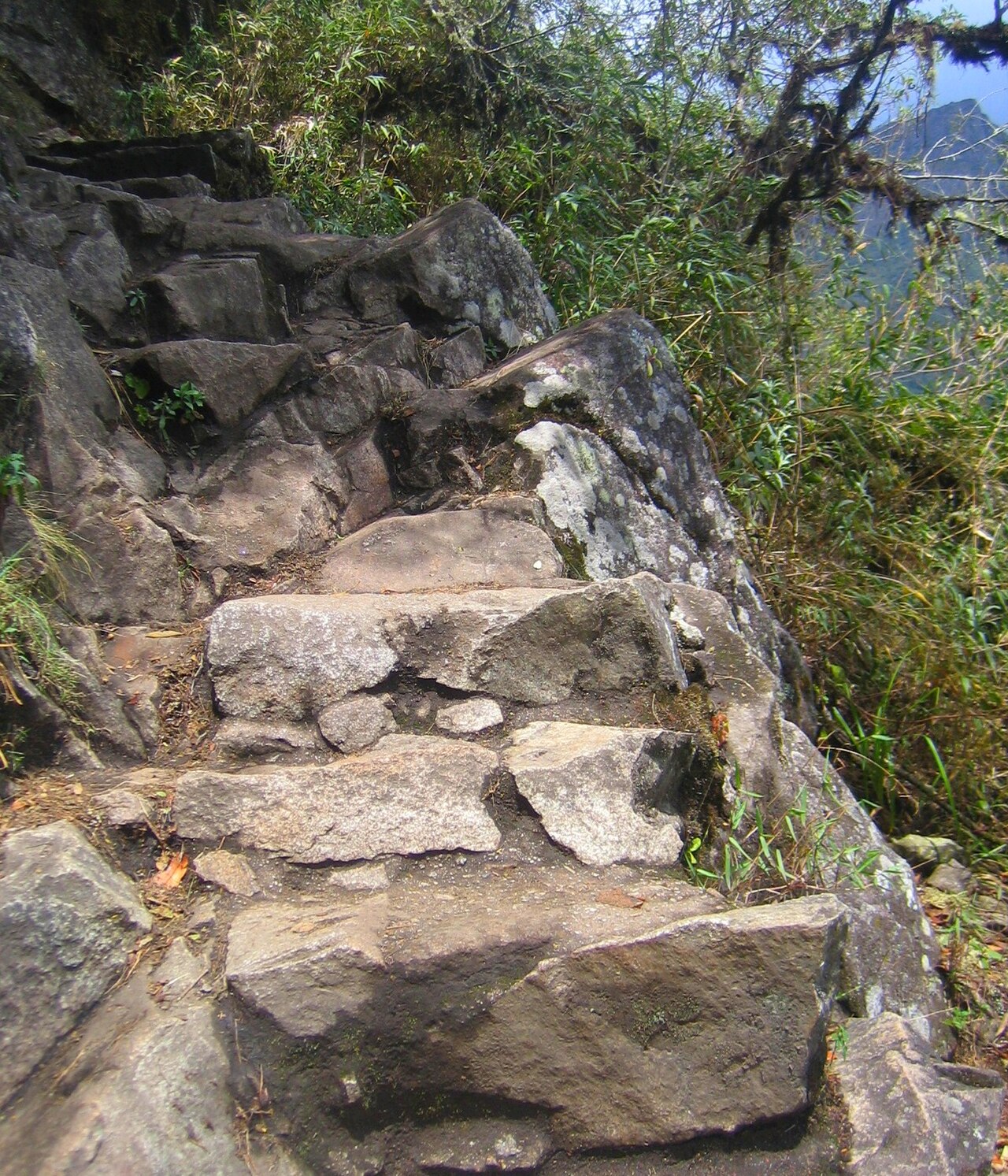
Trekking poles must have rubber tips to protect the stone paving - metal tips are not permitted through trail checkpoints.
Passport Requirements
Carry your original passport every day of the trek; it is checked at control points and must exactly match the name on your permit.
Money & Tipping
Tipping the guide, porters, and chef is customary and appreciated, typically budgeted separately from the trip cost - ask your guide for standard local guidance.
February Trail Closure
The entire Inca Trail closes every February for maintenance and conservation; no permits are issued and treks are not available that month.
Weather & Seasons
The dry season (April-October) offers the most stable trail conditions; the wet season (November-March) brings a higher chance of rain, especially in the afternoons.
Machu Picchu Circuit Options
Trail permits include a specific Machu Picchu entry circuit; a separate Huayna Picchu or Machu Picchu Mountain add-on permit can be arranged in advance for an additional fee.
Age & Experience Requirements
There is no strict age limit, but reasonable fitness and prior multi-day hiking experience are strongly recommended given the altitude and terrain.
FAQs
How many days is the Inca Trail trek?
Our itinerary is 7 days from Cusco to Cusco, including one acclimatization day and the classic 4-day, 3-night trek itself.
How far in advance do I need to book?
At least 5-6 months ahead. Permits are capped at around 200 trekkers per day and sell out months in advance, especially for May-September departures.
How difficult is the Inca Trail?
Moderate to challenging. Day 2, crossing Dead Woman's Pass at 4,215m, is the most demanding day, and the long descent on Day 3 is hard on the knees.
What is Dead Woman's Pass?
The trail's highest point at 4,215m (13,828ft), reached on Day 2 - the toughest climb of the trek but also one of its most rewarding viewpoints.
Can I hike the Inca Trail independently?
No. Solo hiking is illegal on this route with no exceptions - every trekker must join a licensed operator's group with a registered guide.
What permits do I need?
The Classic Inca Trail permit and a Machu Picchu entrance ticket, both arranged in your name by your operator and included in the trip cost.
Is the trail closed at any time of year?
Yes, the entire trail closes every February for maintenance and conservation work, so no permits are issued that month.
What is the best season to hike?
The dry season from April to October, with May, June, and July the most popular and driest months.
What documents do I need to bring?
Your original passport, checked at trail control points every day - photocopies or phone photos are not accepted, and the name must match your permit exactly.
Are porters provided?
Yes, a licensed porter team carries the camping and kitchen equipment, with a 20kg weight cap per porter under Peruvian labor regulations.
Do I need to bring my own sleeping bag?
You'll need a sleeping bag and can rent one through your operator for around USD 25-35; trekking poles can also be rented for about USD 15-20.
Are trekking poles allowed on the trail?
Yes, but only with rubber tips to protect the stone paving - metal-tipped poles are not permitted through the trail checkpoints.
Is altitude sickness a concern?
Yes, particularly around Dead Woman's Pass. A day of acclimatization in Cusco before departure and a steady pace on the trail both help reduce the risk.
Can I add Huayna Picchu to my Machu Picchu visit?
Yes, as a separate add-on permit with very limited daily capacity - let us know in advance if you'd like to include it, as it must be booked well ahead.
Is tipping expected?
Tipping guides, porters, and the trail chef is customary in Peru, though not included in the trip price.
What happens if my preferred dates are sold out?
Unpaid reservation holds are periodically released, which can reopen previously full dates - we recommend booking as early as possible and staying flexible on your travel window.
Tour Location
Inca Trail, Cusco Region, Peru
Reviews
0/5
Not Rated
Based on
0 review
Excellent
0
Very Good
0
Average
0
Poor
0
Terrible
0
No Review
17%
from
$1,150
$950
from
$1,150
$950