Hunza Cultural Festivals Safari
Karimabad, Hunza Valley, Gilgit-Baltistan, Pakistan
0/5
0% of guests recommend
Duration
7 Days
Group Size
20 persons
Overview
About the Hunza Cultural Festivals Safari
The Hunza Valley in Gilgit-Baltistan has a rich annual cycle of cultural festivals rooted in the agricultural calendar, the Ismaili religious tradition, and the heritage of the Hunza emirate that was abolished in 1974 but whose cultural legacy continues in local ceremonies and community practices. The Hunza Cultural Festivals Safari is timed to coincide with one or more of the valley's signature annual events, combining festival participation with visits to the valley's major cultural sites and genuine engagement with Burusho community life. The result is a cultural experience with a depth and authenticity not achievable on a standard sightseeing tour.
The most celebrated annual event is the apricot blossom season in late March and April when the valley's hundreds of thousands of apricot trees flower simultaneously and turn the entire cultivated valley white and pink for 2 to 3 weeks. The harvest festivals in August and September, the polo matches at various village grounds throughout the summer, and the Ginani harvest celebration in autumn are all occasions that reveal aspects of Hunza life unavailable to visitors who arrive at random times of year.
Festival Calendar
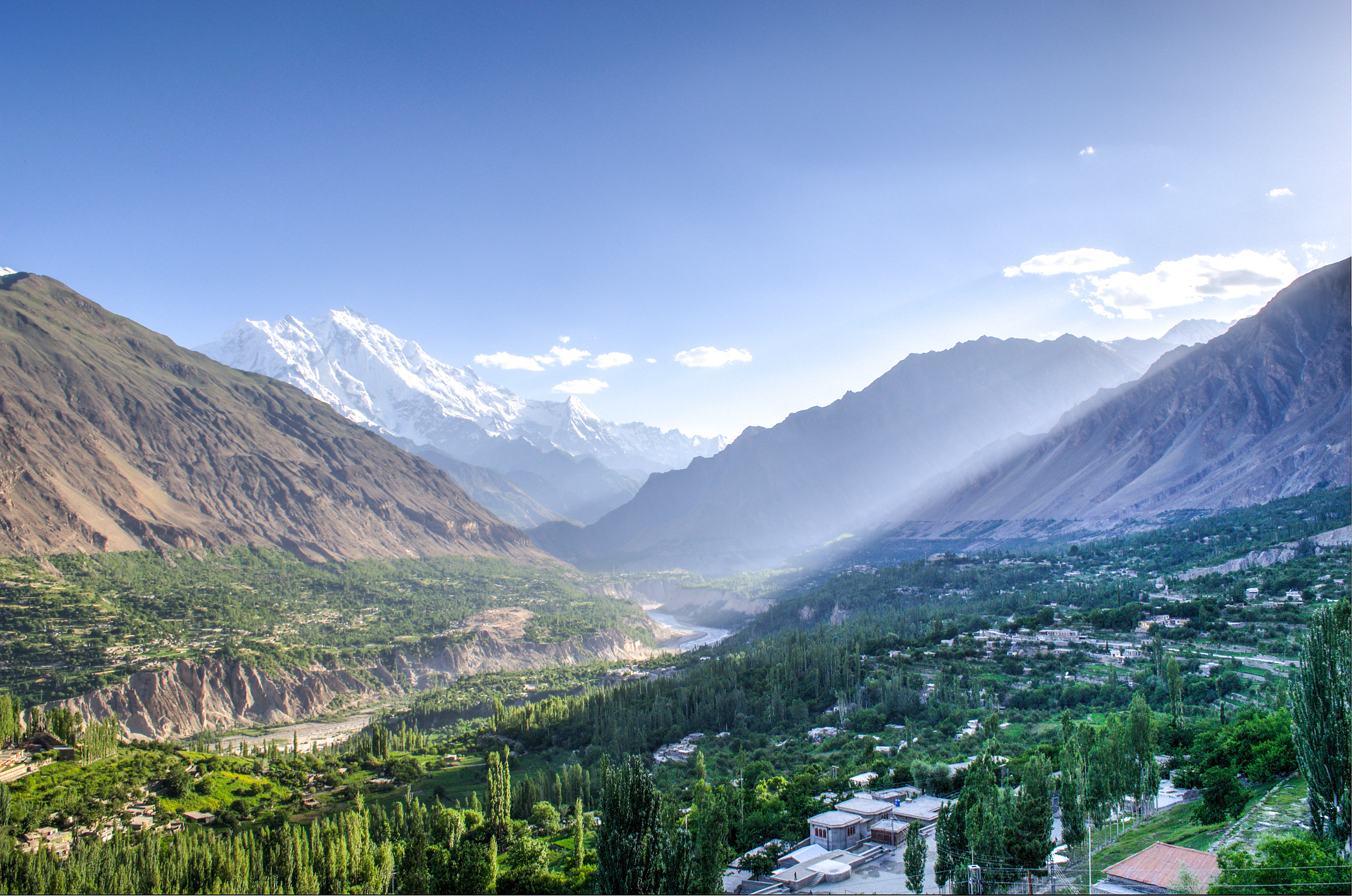
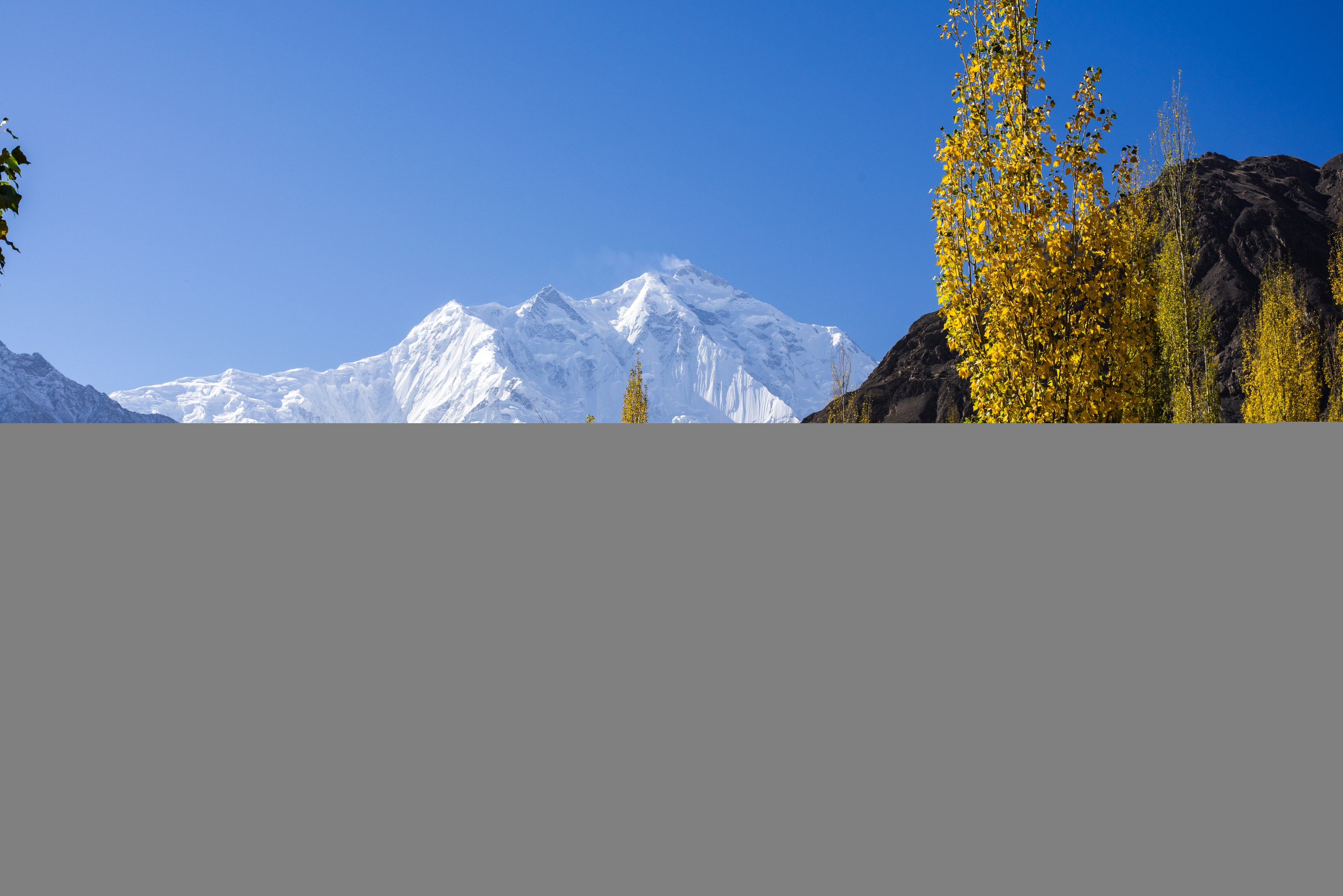
The apricot blossom (late March to mid-April) is the most dramatic seasonal event in the Hunza Valley calendar. The blossoms appear first at the lowest altitude villages and progress up the valley over 2 to 3 weeks, giving the blossom safari a moving target that the itinerary follows for maximum coverage. The blossom photography opportunities, with the white flowers against the backdrop of the snow-covered Ultar and Rakaposhi peaks, are among the finest in Pakistan's mountain north.
Heritage Sites
The safari visits Baltit Fort (700 years old, the seat of the Mir of Hunza until 1945, now a fully restored heritage museum), Altit Fort (900 years old, the oldest building in Hunza, perched on a cliff edge above the Hunza River), and the Eagle's Nest viewpoint above Duiker village at 3,100 metres with the finest panoramic view of the valley. The Karimabad bazaar, the central village of Hunza, is small enough to walk across in 20 minutes and large enough to have a full range of local handicrafts, gemstones from the Hunza mines, and dried apricot products from the valley orchards.
Best Season
This safari is specifically timed to festival seasons. The apricot blossom safari runs late March to mid-April. The harvest safari runs late August to September. The polo festival season runs June through September with matches at Karimabad and other valley grounds. The choice of timing depends on which cultural dimension most interests the visitor and we advise on current season timing at the point of booking.
Physical Requirements
Light walking of 2 to 4 hours on most days through village streets, fort complexes, and orchard paths. The Eagle's Nest viewpoint involves a 45-minute uphill walk from the road. Accessible to most adults and suitable for mixed-age family groups.
Why Choose This Safari
The Hunza Cultural Festivals Safari gives access to the cultural heart of Hunza at the moments when community life is most visible and most celebratory. The apricot blossom season in particular is one of the great annual natural events in Pakistan's mountain north. All accommodation in Hunza hotels and guesthouses, transport, guide, and meals are included from Gilgit or Islamabad.
Customized/Private Groups PricingDiscount will be automatically applied during the booking process if the number of guests meets the criteria specified in table below.(currently discounts are applicable to private tours only)
| Solo Price | 2 to 4 Person | 5 to 8 Person | 9 to 20 Person |
|---|---|---|---|
| $1,500 | $1,000 | $800 | $800 |
Itinerary
Day 1: Islamabad to Gilgit
Altitude: 1,500m | Road 18 hours or flight 1 hour
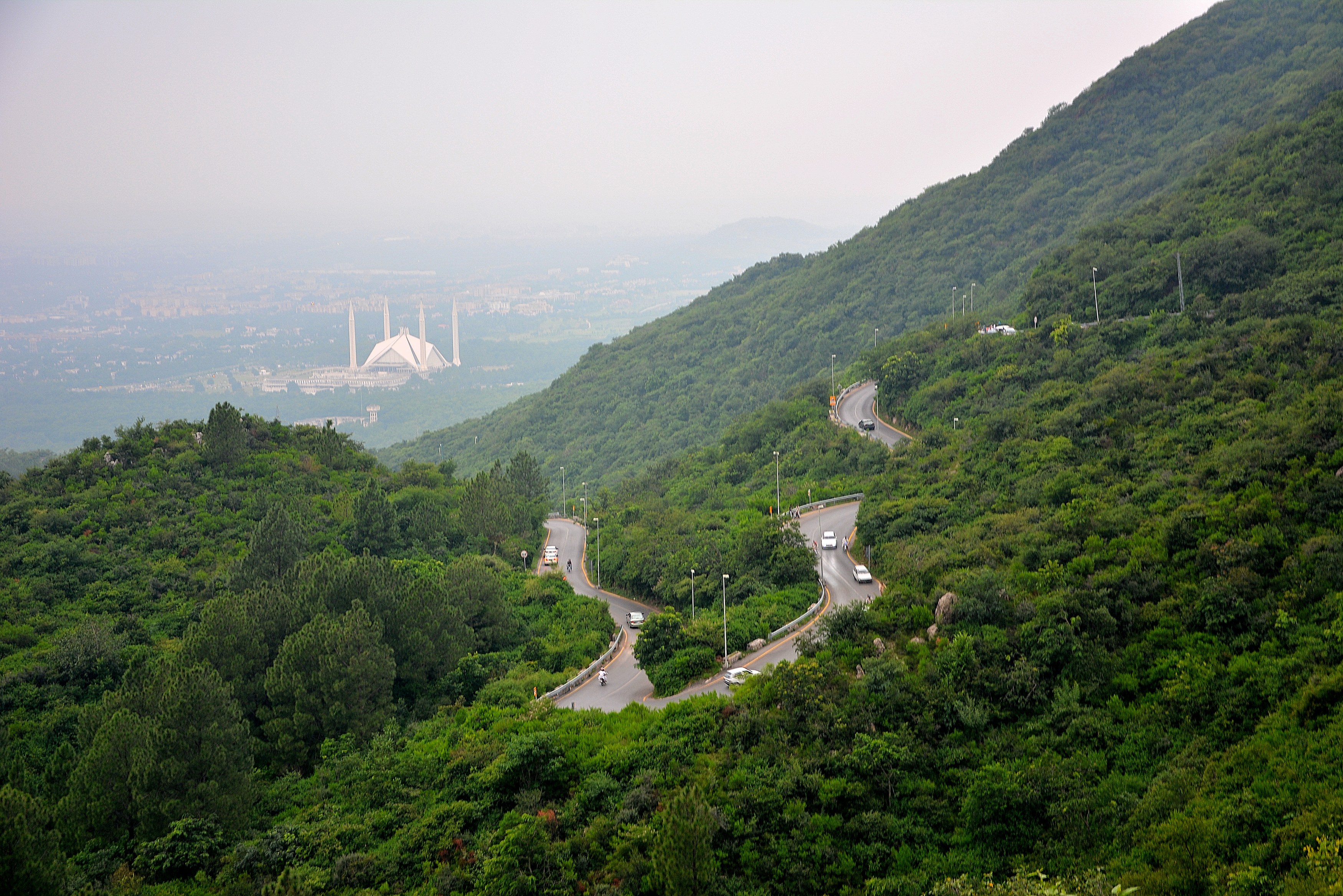
Fly 45 minutes from Islamabad to Gilgit. Drive 2 hours from the airport to Karimabad. The views from the Karimabad bazaar on arrival are immediate.
Day 2: Gilgit to Karimabad, Baltit Fort
Altitude: 2,438m | Drive 2 hours, afternoon at Baltit Fort
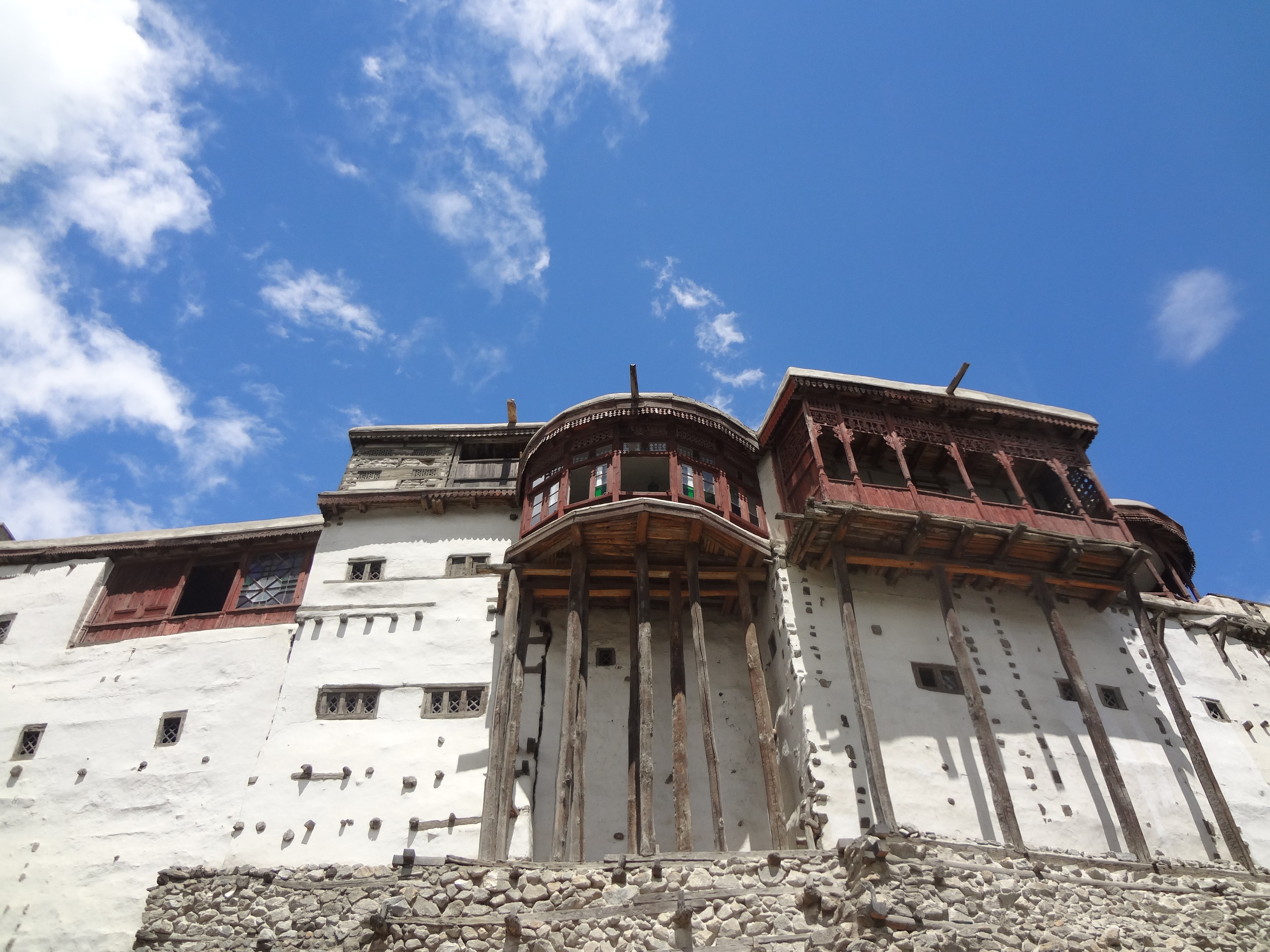
Baltit Fort in the afternoon. Two hours with a guide. The fort requires time: the Sheesh Mahal, the royal apartments, the storage levels, the rooftop. The old bazaar below the fort is worth an hour afterward.
Day 3: Altit Fort and Duikar Viewpoint
Altitude: 2,438m | Morning fort visit, afternoon viewpoint hike
Altit Fort is 3km down from Karimabad, older, smaller, with a village museum attached. Afternoon: drive or walk to Duikar (Eagle's Nest area) for the panoramic valley view. This is the signature viewpoint in Hunza.
Day 4: Karimabad to Attabad Lake, Gulmit
Altitude: 2,600m | Drive 40km, boat on lake, Gulmit village
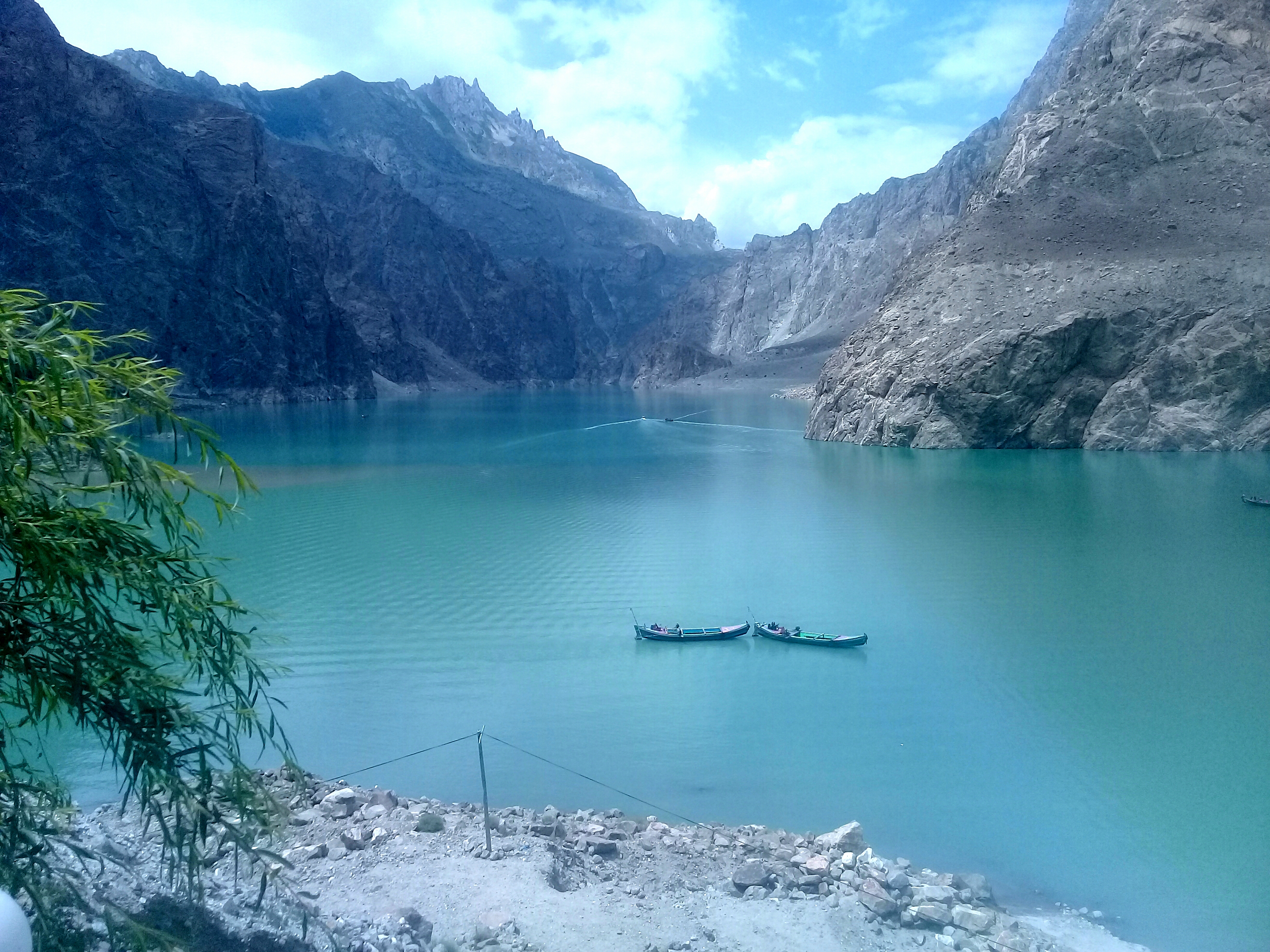
Drive north through Ganish past Aliabad to Attabad Lake. Boat crossing is 30 minutes. Gulmit village on the far side. The Gujal communities of upper Hunza are culturally distinct from lower Hunza.
Day 5: Passu and Khunjerab Pass
Altitude: 4,693m | Passu Cones, Hussaini bridge, drive to Khunjerab
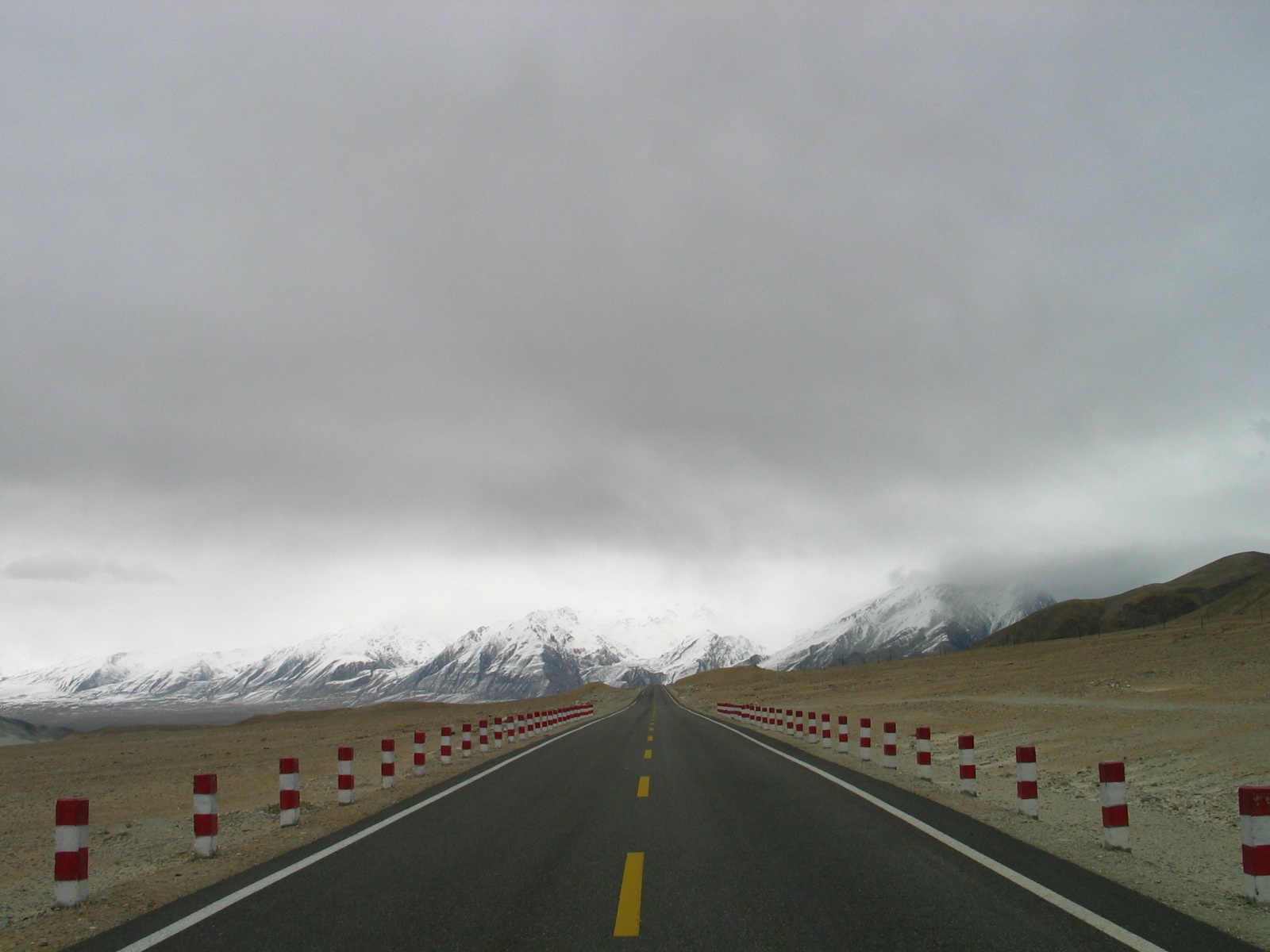
Drive to Passu village. Morning walk to the Passu Glacier margin. Optional: continue north toward Sost and the lower Khunjerab National Park for Marco Polo sheep.
Day 6: Gulmit to Gilgit
Altitude: 1,500m | Return drive through Hunza Valley
Return drive south through the Hunza Valley. Stop anywhere you want. Last evening in Hunza.
Day 7: Gilgit to Islamabad
Safari ends | Flight or road
Morning flight from Gilgit to Islamabad.
Highlights
- Karimabad in cherry blossom season (late March-April) with white-pink orchard color below Ultar Sar and Rakaposhi as backdrop.
- Baltit Fort and Altit Fort, 700-year-old Hunza royal residences with wood carving, royal chambers, and valley views from the top.
- Polo at Karimabad polo ground during autumn harvest season matches, local teams playing with traditional music in the stands.
- Attabad Lake boat crossing through the 21km lake formed by the 2010 landslide.
- Duikar viewpoint above Karimabad, the highest easily accessible viewpoint in Hunza with a 180-degree panorama of the valley, Rakaposhi, and Ultar Sar.
- Passu Cones from the glacier margin walk above Passu village, the best close-range view of the rock spires.
Included/Excluded
All transport: Islamabad to Gilgit to Hunza Valley circuit and return
All accommodation: hotels in Gilgit and Karimabad, guesthouses in Gulmit or Passu
All meals from Day 1 dinner through Day 7 breakfast
Licensed guide with full Hunza Valley cultural and heritage expertise
Boat ride on Attabad Lake (included in lake excursion)
All site entrance fees: Baltit Fort, Altit Fort
Khunjerab Pass visit transport (border area permit included)
International flights and Pakistan visa
Travel insurance
Personal shopping in Karimabad bazaar or Hunza dry fruit markets
Optional meals outside the included plan
Guide gratuity
Things To know
Hunza Dry Fruits and Food
Hunza is famous throughout Pakistan for its dried apricots, apricot oil, mulberries, walnuts, and almonds. The Karimabad bazaar has a row of dry fruit shops selling these directly from local orchards. Hunza apricot oil is used in cooking and as a skin product and is distinct from commercial apricot oil in its flavor and color. The local bread, chapshoro (a meat-filled flatbread), and diram fiti (walnut bread) are the most distinctive local foods. All included meals on the safari use fresh local ingredients in season.
Baltit Fort Restoration
Baltit Fort was in a state of significant deterioration by the 1990s, with portions of the mud-brick upper structure collapsing. The Aga Khan Cultural Service Programme undertook a full restoration from 1992 to 1996 that stabilized the structure, repaired the interior woodwork, and converted the fort into a heritage museum while preserving the Mir of Hunza's historical personal quarters intact. The restoration received the UNESCO Asia-Pacific Heritage Award in 2004 and is considered one of the most successful traditional building restoration projects in South Asia.
The Ginani Festival
The Ginani is a traditional Hunza harvest festival held in late September or early October when the apricot and grain harvests are complete. Local music, polo on the Karimabad polo ground, and community gatherings mark the season. Jashn-e-Baharan (Spring Festival) in April coincides with cherry blossom and includes cultural performances and local food markets in Karimabad. Both festivals are informal community events rather than formal organized tourism events and their exact dates vary by year. The guide advises on current festival timing.
FAQs
When exactly is cherry blossom season in Hunza?
The blossom is typically late March to early April and shifts 1-2 weeks year to year. The most reliable way to catch it is to build date flexibility into your booking and confirm with us in February of your travel year. We monitor the blossom status on the ground and can give 10-day advance notice. The blossom lasts 10-14 days. Miss it by a week and you miss it entirely.
What language do people in Hunza speak?
Burushaski is the primary language of Hunza, linguistically isolated with no established relationship to any other language family. Wakhi is spoken in the upper Hunza (Gojal) region above Attabad Lake. Shina is spoken in Gilgit. Urdu is universally understood. In tourist-facing businesses in Karimabad, English is common.
Is Attabad Lake permanent?
Effectively permanent on any human planning timescale. The 2010 landslide was one of the largest in Pakistan's recorded history. The KKH tunnel system replacing the submerged road was built by China and Pakistan and completed in 2015. The lake at 21km is a permanent feature of the upper Hunza Valley.
Can I drive to China from Khunjerab?
Pakistan nationals with valid Chinese visas can cross at Khunjerab. Foreign tourists with Chinese visas issued for overland entry can also cross with pre-arranged transport on the Chinese side. For most Pakistan tourism purposes, visitors drive to the pass, see the border marker, and return. If crossing is your intention, we arrange Chinese side logistics in advance.
Is the Karakoram Highway paved all the way to Khunjerab?
Yes, the KKH from Islamabad to the Khunjerab Pass is paved throughout. The section from Gilgit north was substantially improved with Chinese assistance. Some sections above Sost have winter damage repaired annually. In summer the road is reliable.
Tour Location
Karimabad, Hunza Valley, Gilgit-Baltistan, Pakistan
Reviews
0/5
Not Rated
Based on
0 review
Excellent
0
Very Good
0
Average
0
Poor
0
Terrible
0
No Review
17%
from
$850
$700
from
$850
$700