Everest Base Camp Trek
Everest Base Camp, Khumbu, Nepal
0/5
0% of guests recommend
Duration
14 Days
Tour Type
Trekking
Group Size
15 persons
Overview
Trek Overview
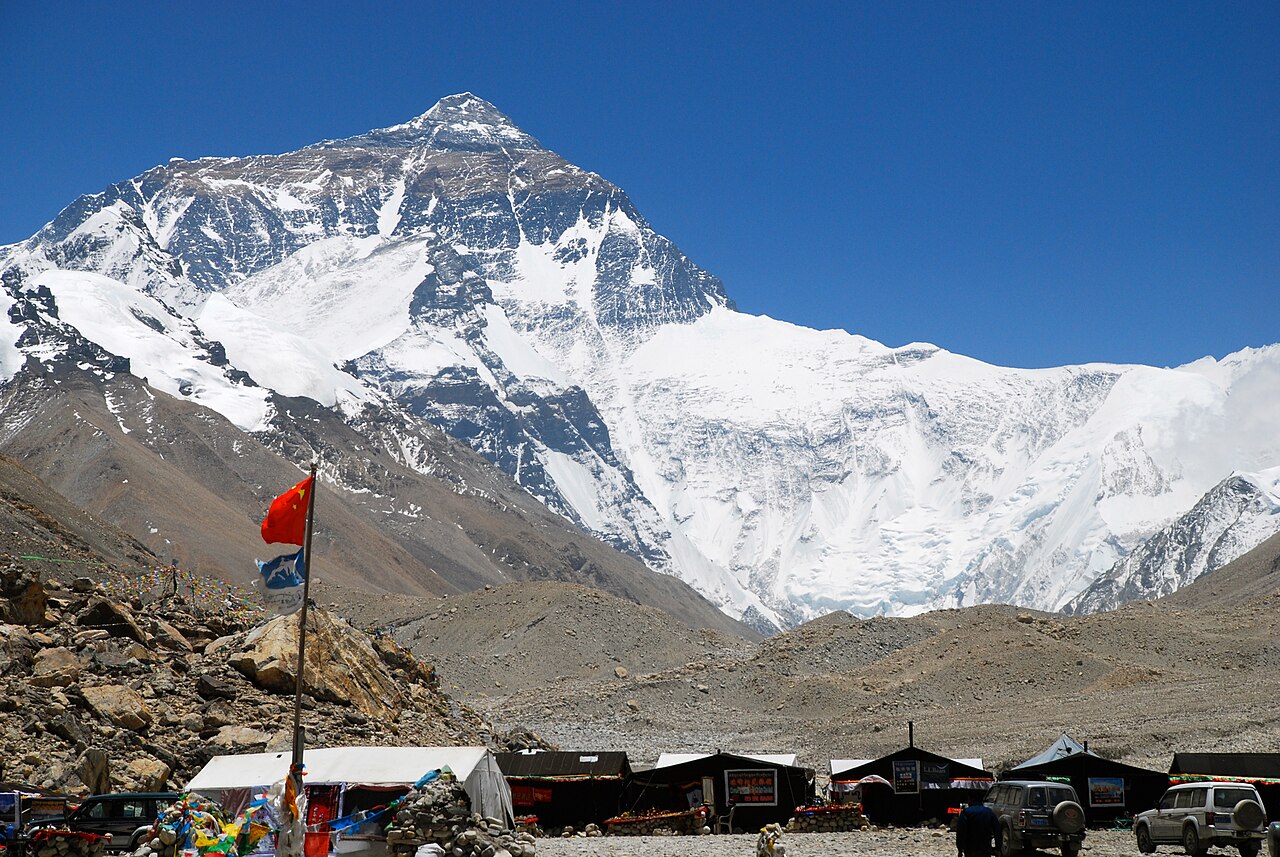
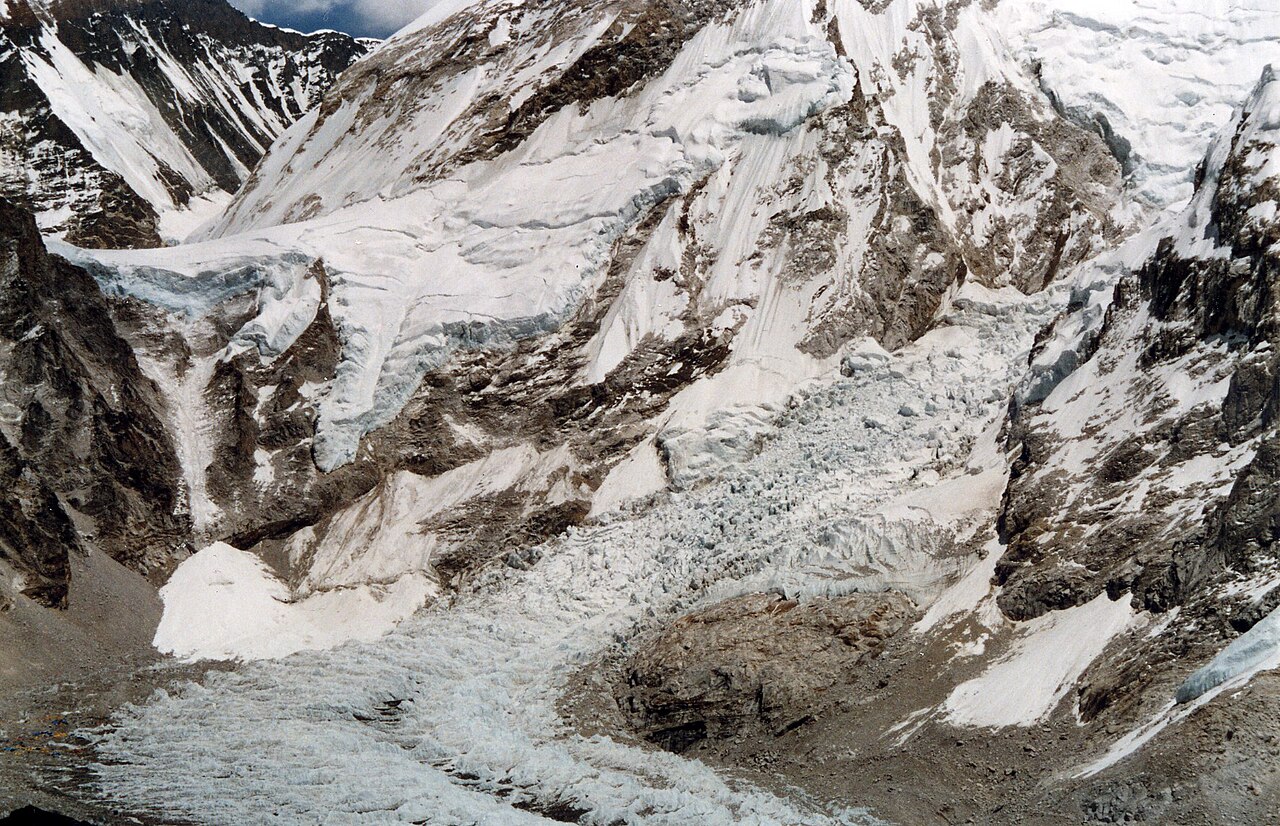
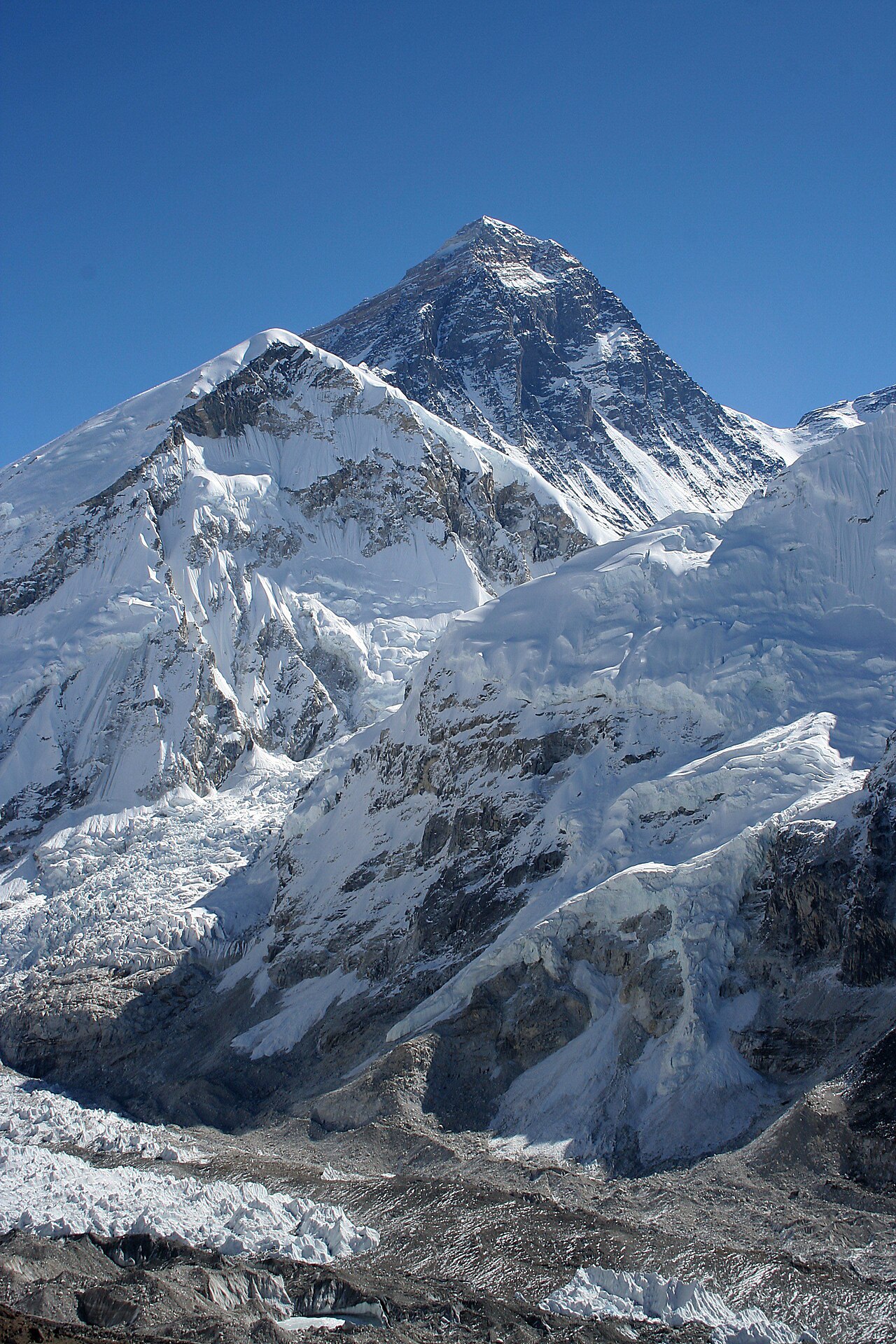
The Everest Base Camp Trek is the world's most iconic trekking route, following the path of the first Everest expeditions through the Khumbu region of northeastern Nepal. Starting with a dramatic mountain flight into Lukla, this 14-day itinerary combines two full acclimatization days with a gradual ascent through Sherpa villages, pine and rhododendron forest, and high alpine terrain, reaching Everest Base Camp itself at 5,364m beneath the Khumbu Icefall, with a pre-dawn summit of Kala Patthar (5,545m) for the finest close-up views of Mount Everest in the region.
Route & Altitude Profile
The route runs Lukla (2,840m) - Phakding (2,610m) - Namche Bazaar (3,440m) - Tengboche (3,860m) - Dingboche (4,410m) - Lobuche (4,910m) - Gorak Shep (5,170m) - Everest Base Camp (5,364m) - Kala Patthar (5,545m), covering roughly 130-140km round trip with daily walks of 5 to 8 hours.
Difficulty & Fitness
Rated moderate to strenuous. No technical climbing or mountaineering skills are required, but trekkers should be in good cardiovascular condition and prepare with at least 8 weeks of regular training - hiking, jogging, cycling, and stair climbing - before departure. Previous high-altitude trekking experience is helpful but not required.
Best Time to Trek
The two main trekking seasons are spring (March to May) and autumn (late September to November), when skies are generally clear and mountain views are at their best. The monsoon season (June to August) and deep winter (December to February) are possible but bring heavier rain/snow and colder temperatures respectively.
Permits & Regulations
Two permits are required for the Khumbu region: the Sagarmatha National Park Entry Permit and the Khumbu Pasang Lhamu Rural Municipality Permit, both arranged on your behalf. Nepal Tourism Board regulations require all trekkers on this route to be accompanied by a licensed guide.
Accommodation & Meals
Trekkers stay in twin-sharing teahouses/lodges along the route, with private attached bathrooms available in Lukla, Phakding, and Namche Bazaar and shared facilities at higher elevations. All breakfasts, lunches, and dinners during the trek are included, with menus typically offering dal bhat, noodles, soup, pasta, potatoes, and bakery items; most lodges can accommodate vegetarian diets.
Altitude Sickness & Safety
The itinerary includes two full acclimatization days, at Namche Bazaar and Dingboche, to reduce the risk of Acute Mountain Sickness (AMS). Guides are trained to monitor trekkers for symptoms and will adjust the pace, arrange rest, or organize descent or helicopter evacuation if required. Travel insurance covering high-altitude trekking up to 6,000m and emergency evacuation is mandatory.
Itinerary
Day 1: Arrival in Kathmandu
Tribhuvan International Airport - Kathmandu (1,400m)
Arrive at Tribhuvan International Airport in Kathmandu, where you'll be met and transferred to your hotel. The rest of the day is free to rest, with a pre-trip briefing and equipment check in the evening.
Day 2: Kathmandu Sightseeing & Trek Preparation
Kathmandu Valley (1,400m)
A full day exploring Kathmandu's UNESCO World Heritage Sites, including Kathmandu Durbar Square, Swayambhunath (Monkey Temple), Boudhanath Stupa, and Pashupatinath Temple, followed by final trek preparations and permit processing.
Day 3: Fly to Lukla, trek to Phakding
Kathmandu to Lukla (2,840m) by flight, trek to Phakding (2,610m), approx. 3-4 hrs, 8km
Board an early morning scenic flight to Lukla's Tenzing-Hillary Airport, one of the most thrilling mountain airstrips in the world. From Lukla, begin trekking with a gentle descent along the Dudh Koshi River to the village of Phakding.
Day 4: Trek to Namche Bazaar
Phakding (2,610m) to Namche Bazaar (3,440m), approx. 5-6 hrs, 12km
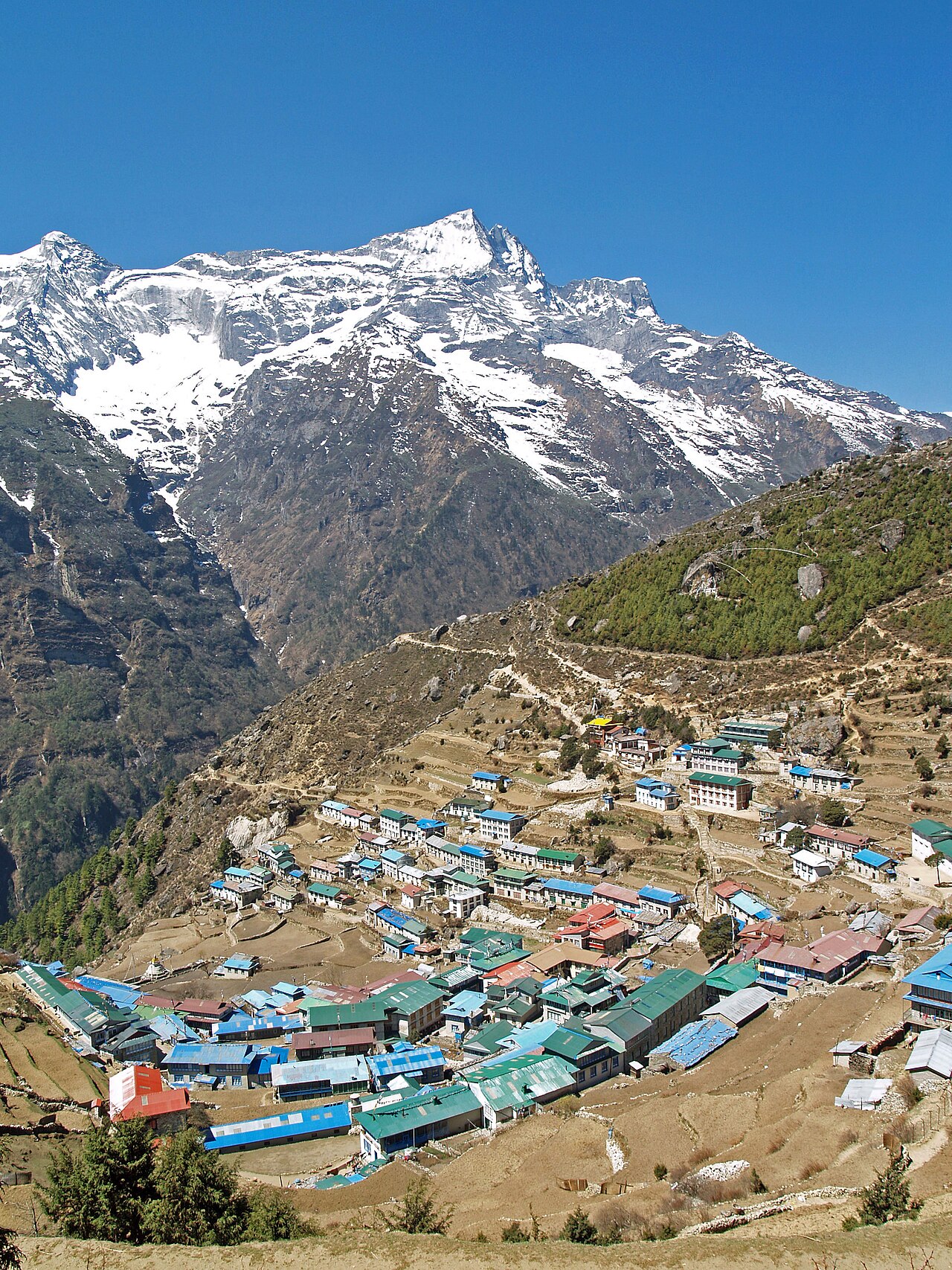
Follow the Dudh Koshi River through pine forest and suspension bridges, entering Sagarmatha National Park at Jorsalle. A steep climb leads to Namche Bazaar, the bustling Sherpa capital of the Khumbu, with your first glimpse of Everest along the way.
Day 5: Acclimatization in Namche Bazaar
Namche Bazaar (3,440m)
A rest day to acclimatize. Hike up to the Everest View Hotel (3,880m) for panoramic views of Everest, Lhotse, Ama Dablam, and Thamserku, and explore Namche's Sherpa museum and Saturday market.
Day 6: Trek to Tengboche
Namche Bazaar (3,440m) to Tengboche (3,860m), approx. 5-6 hrs, 11km
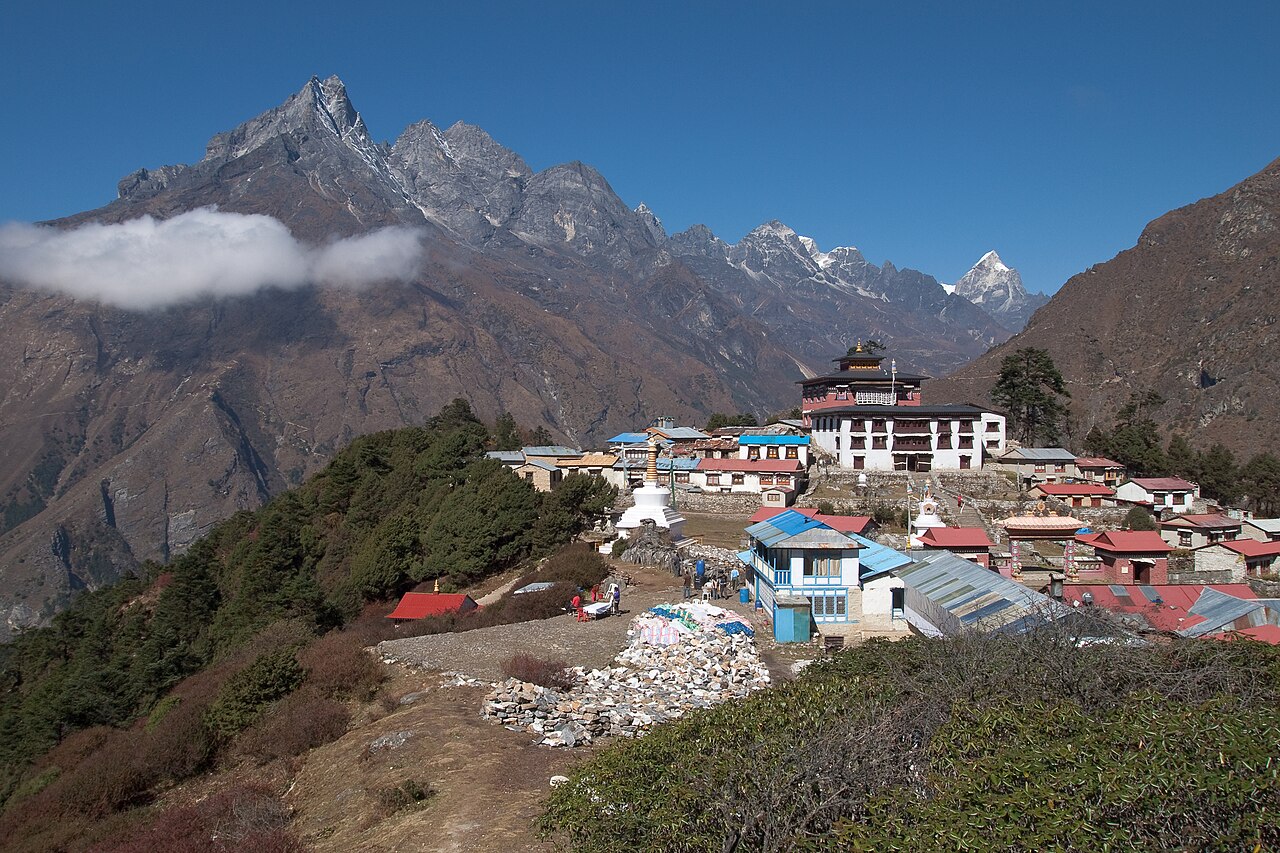
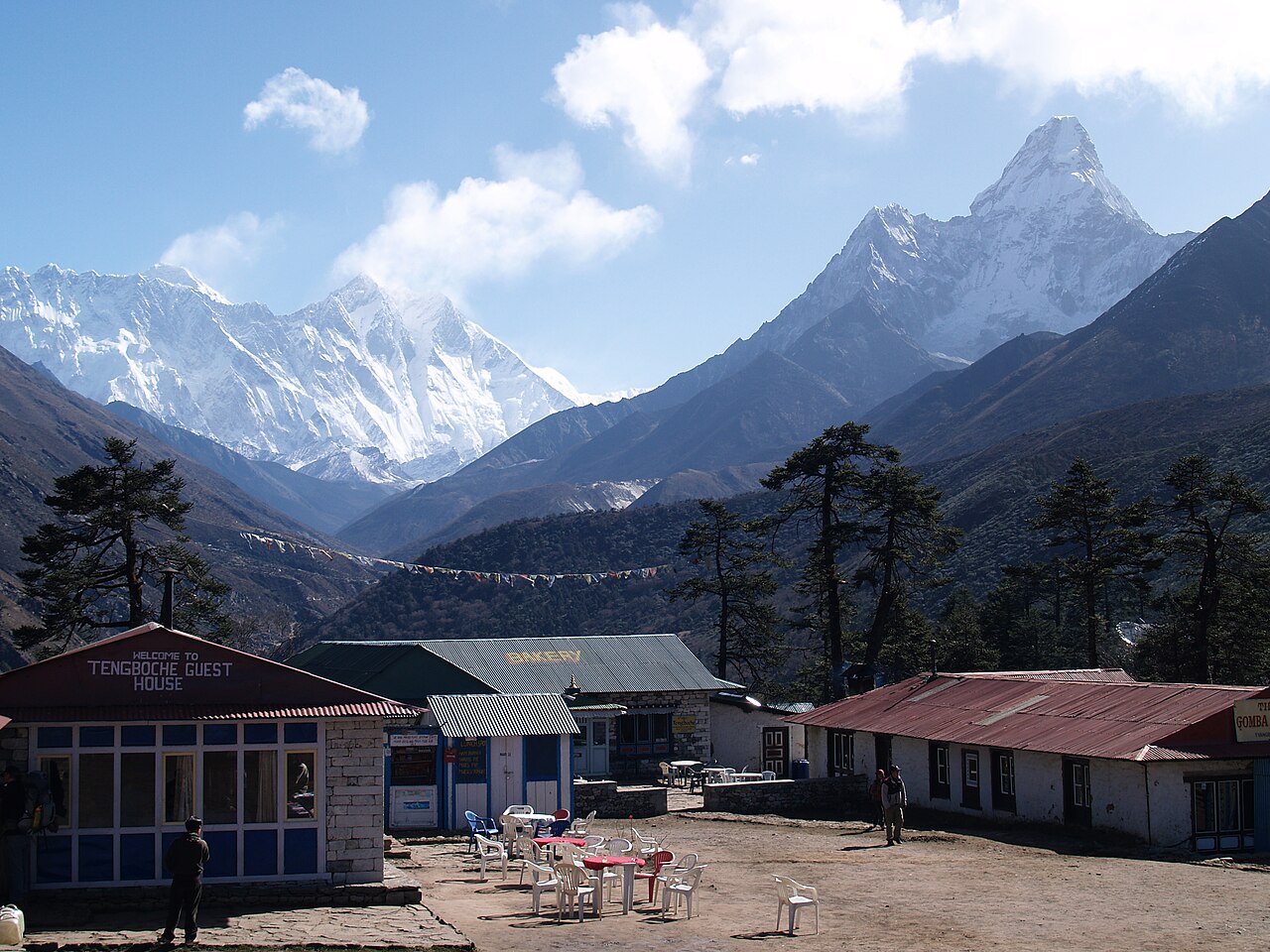
A scenic trail with views of Ama Dablam and Everest, descending to the Dudh Koshi before climbing through rhododendron forest to Tengboche, home to the largest monastery in the Khumbu region.
Day 7: Trek to Dingboche
Tengboche (3,860m) to Dingboche (4,410m), approx. 5-6 hrs, 10km
Descend to Debuche, cross the Imja Khola, and climb through Pangboche village. The trail continues through alpine scrubland to Dingboche, a farming village enclosed by stone walls with views of Ama Dablam and Lhotse.
Day 8: Acclimatization in Dingboche
Dingboche (4,410m)
A second acclimatization day. Hike up Nangkartshang Peak (5,083m) for spectacular views over the Imja Valley and surrounding 6,000-7,000m peaks before returning to Dingboche.
Day 9: Trek to Lobuche
Dingboche (4,410m) to Lobuche (4,910m), approx. 5-6 hrs, 9km
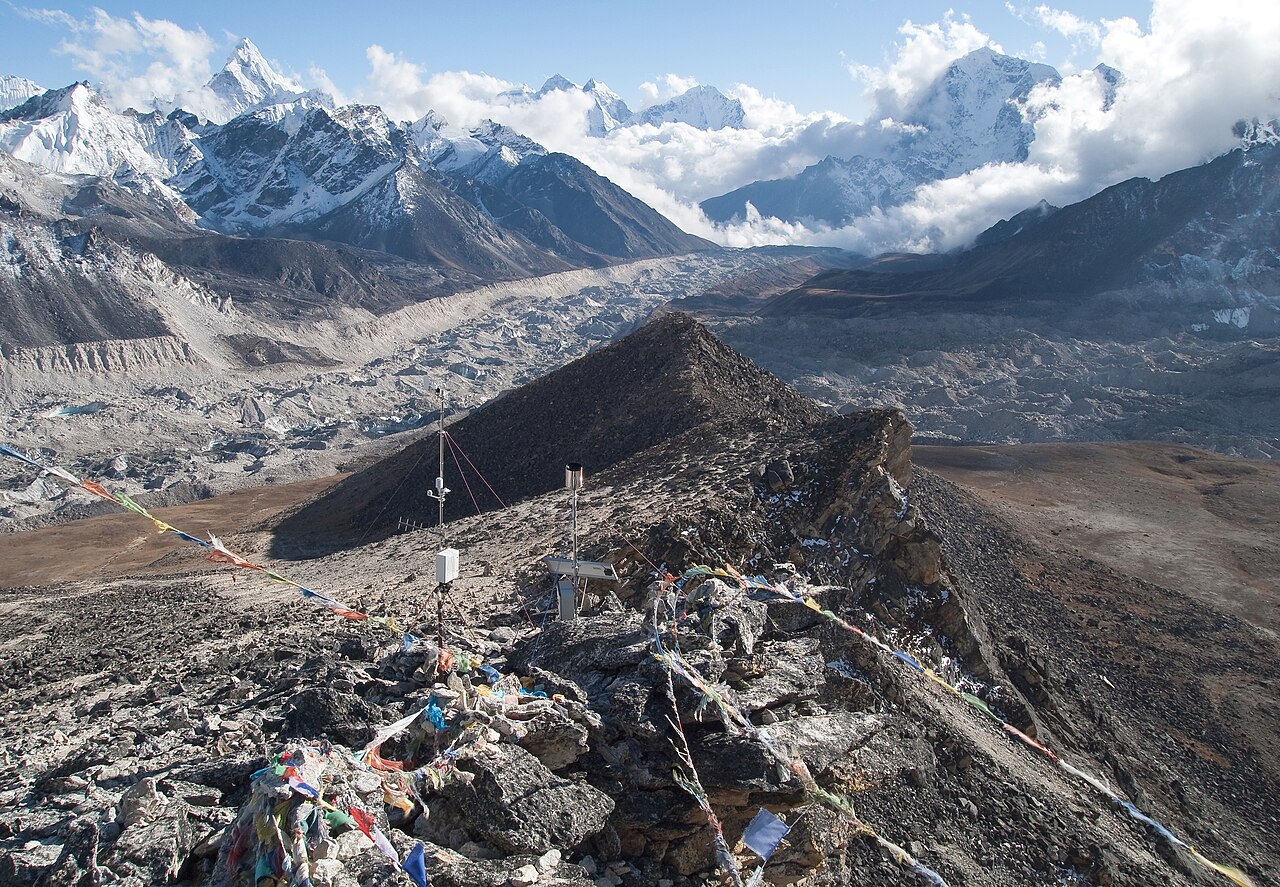
Climb steadily to Thukla, passing memorials to climbers who lost their lives on Everest, then continue along a ridge with views of Nuptse, Pumori, and the Khumbu Glacier to Lobuche.
Day 10: Trek to Everest Base Camp via Gorak Shep
Lobuche (4,910m) to Gorak Shep (5,170m) to Everest Base Camp (5,364m), approx. 8-9 hrs
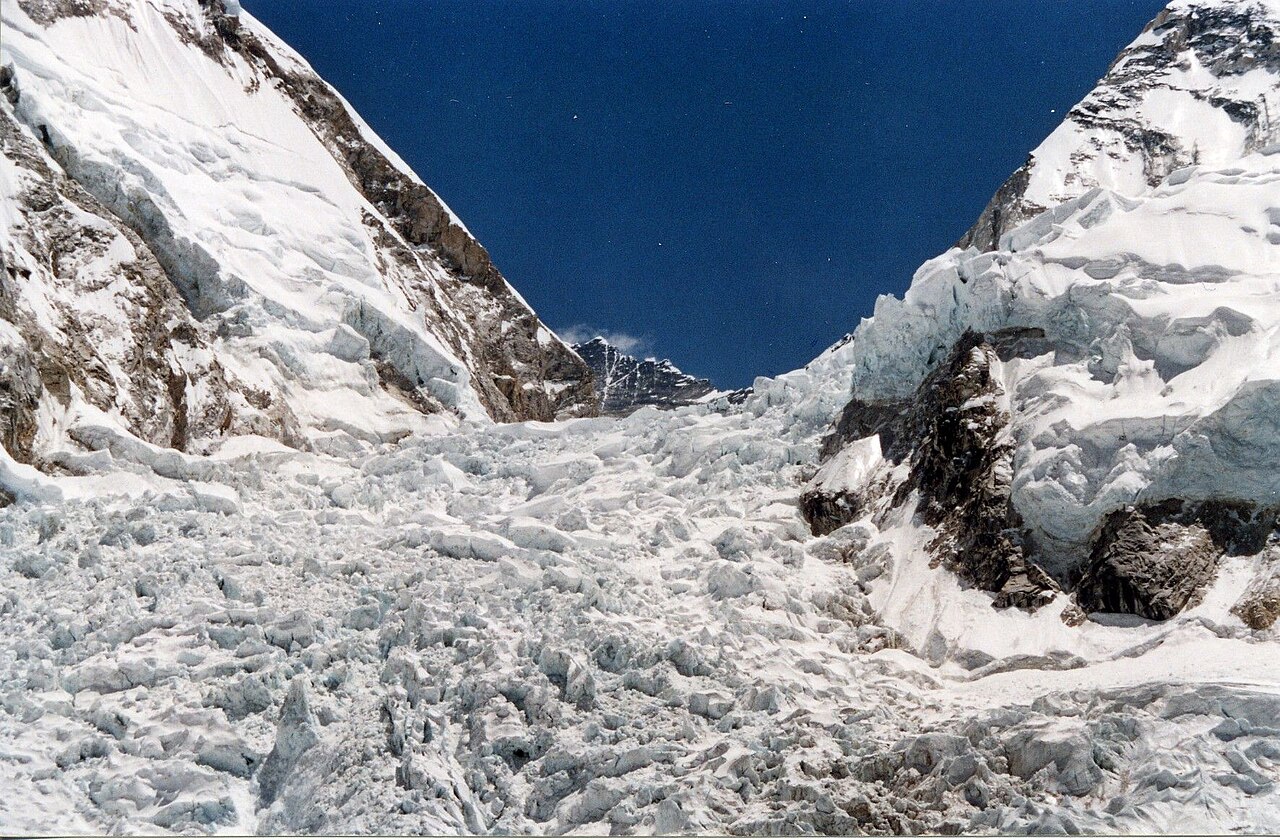
Trek along the Khumbu Glacier to Gorak Shep, drop your bags, and continue to Everest Base Camp itself - a full-circle moment beneath the Khumbu Icefall. Return to Gorak Shep for the night.
Day 11: Kala Patthar sunrise, trek to Pheriche
Gorak Shep (5,170m) via Kala Patthar (5,545m) to Pheriche (4,240m), approx. 7-8 hrs
Rise before dawn to climb Kala Patthar for the best close-up sunrise view of Mount Everest. Descend back through Gorak Shep and continue down to Pheriche for the night.
Day 12: Trek to Namche Bazaar
Pheriche (4,240m) to Namche Bazaar (3,440m), approx. 6-7 hrs
Retrace the trail down through Pangboche, Tengboche, and Phunki Thanga back to Namche Bazaar, enjoying the descent and thicker air after days at altitude.
Day 13: Trek to Lukla
Namche Bazaar (3,440m) to Lukla (2,840m), approx. 6-7 hrs
A final day of trekking back down the Dudh Koshi valley to Lukla, celebrating the completion of the trek with your guide and porter team on the last night on the trail.
Day 14: Fly back to Kathmandu
Lukla to Kathmandu
Take the morning flight back to Kathmandu. The rest of the day is free for rest, shopping, or sightseeing, with an optional farewell dinner in the evening before departure.
Highlights
- Trek to Everest Base Camp (5,364m) at the foot of the world's highest peak
- Sunrise views of Everest, Nuptse, and Lhotse from Kala Patthar (5,545m)
- Two full acclimatization days for a safer, better-paced ascent
- Scenic mountain flight between Kathmandu and Lukla
- Explore Sherpa culture and markets in Namche Bazaar
- Visit Tengboche Monastery, the largest in the Khumbu region
- Trek through Sagarmatha National Park, a UNESCO World Heritage Site
Included/Excluded
Airport pickup and drop-off in Kathmandu on a private vehicle
2 nights hotel accommodation in Kathmandu with breakfast (pre and post trek)
Kathmandu - Lukla - Kathmandu domestic flights, including airport taxes
Experienced, English-speaking, government-licensed trekking guide
Porter service (1 porter per 2 trekkers, 15kg luggage limit)
Twin-sharing teahouse/lodge accommodation for 11 nights during the trek
All meals (breakfast, lunch, dinner) during the trek, with tea or coffee
Sagarmatha National Park entry permit
Khumbu Pasang Lhamu Rural Municipality entry permit
Comprehensive first aid medical kit, including an oximeter, carried by the guide
Duffel bag and trekking route map for the trip
Farewell dinner in Kathmandu
All government and local taxes
International airfare to/from Kathmandu
Nepal entry visa fee (available on arrival, USD 30-125)
Travel insurance with high-altitude trekking and emergency evacuation cover
Lunch and dinner in Kathmandu (outside of the included farewell dinner)
Personal trekking gear and clothing
Hot showers, Wi-Fi, and battery charging during the trek (available at extra cost)
Bottled or boiled drinking water and other beverages
Personal expenses (snacks, souvenirs, laundry)
Tips for guide and porters
Emergency helicopter evacuation costs (recoverable via travel insurance)
Extra costs due to flight delays, weather, or early return from the mountain
Single/private room supplement, where requested
Things To know
Physical Fitness & Training
Begin training at least 8 weeks before departure with regular cardio (hiking, jogging, cycling) and stair or incline walking, ideally while carrying a light daypack.
Packing List & Gear
Key items include a -10C to -15C rated sleeping bag, down jacket, waterproof shell, trekking boots, poles, headlamp, and a 30-40L daypack. A 70-80L duffel bag is provided for porter-carried luggage (12.5kg limit).
Money & ATMs
Carry USD 300-450 in cash for personal expenses. ATMs are available up to Namche Bazaar but can be unreliable at altitude; card payments are rarely accepted beyond Kathmandu.
Communication & Wi-Fi
Wi-Fi and mobile data (Ncell/Nepal Telecom) are available at most lodges and villages for a fee, though coverage and reliability drop above Namche Bazaar.
Travel Insurance
Insurance covering high-altitude trekking to at least 6,000m, including emergency helicopter evacuation, is mandatory for every trekker on this itinerary.
Visa Information
Most nationalities can obtain a Nepal visa on arrival at Kathmandu airport (USD 30 for 15 days, USD 50 for 30 days, USD 125 for 90 days) with two passport photos.
Lukla Flight Delays
Flights to and from Lukla are weather-dependent and can be delayed or cancelled. We recommend keeping 1-2 buffer days in Kathmandu before any onward international flight.
Food & Water Safety
Meals are freshly prepared at each lodge; drinking water should always be treated with a filter, UV steriliser, or purification tablets, all of which your guide can advise on.
Altitude Sickness Prevention
The itinerary is built around two acclimatization days at Namche Bazaar and Dingboche; report any symptoms of Acute Mountain Sickness to your guide immediately.
Age & Experience Requirements
There is no strict age limit provided trekkers are in good health; prior high-altitude trekking experience is helpful but not required.
Helicopter Return Option
A helicopter return from Gorak Shep or Pheriche to Kathmandu can be arranged in place of the walk-out, shortening the trip by 2-3 days for an additional cost.
Solo & Female Travelers
Nepal is considered a safe destination for solo and female trekkers; a licensed guide accompanies the group throughout the trek.
FAQs
How many days does the Everest Base Camp Trek take?
Our itinerary is 14 days including arrival and departure in Kathmandu, with 12 trekking days and 2 acclimatization days built in for safety.
How high is Everest Base Camp?
Everest Base Camp sits at approximately 5,364m (17,598ft) on the Nepal side.
Can I see Mount Everest from Base Camp?
Only partially - the summit is blocked by surrounding ridges from Base Camp itself. Kala Patthar (5,545m), visited the following morning, offers the clearest close-up view of Everest's summit.
How difficult is the trek?
Moderate to strenuous. No technical climbing is required, but altitude, cold, and consecutive long trekking days of 5-8 hours make it a genuine physical challenge.
Do I need prior trekking experience?
No prior high-altitude experience is required if you are in good physical condition, though we recommend at least 8 weeks of dedicated fitness training beforehand.
Is a guide required by law?
Yes. Nepal Tourism Board regulations require all trekkers on this route to be accompanied by a licensed guide, which is included in every package.
What permits do I need?
The Sagarmatha National Park Entry Permit and the Khumbu Pasang Lhamu Rural Municipality Permit, both arranged for you and included in the trip cost.
What is the best time of year to trek?
Spring (March-May) and autumn (late September-November) offer the clearest skies and most stable weather.
Is travel insurance mandatory?
Yes, insurance must explicitly cover trekking above 5,000m and include emergency helicopter evacuation.
What is the daily walking time?
Typically 5 to 8 hours per day, depending on the route, weather, and group pace.
Is a porter necessary?
Not required but strongly recommended - a porter carries your main luggage (up to 12.5kg) so you only need to carry a light daypack.
Can I charge my phone or camera during the trek?
Yes, most teahouses offer charging for a small fee that increases with altitude; a power bank is recommended as a backup.
How much extra cash should I bring?
Around USD 300-450 for personal expenses such as snacks, hot showers, Wi-Fi, and souvenirs, since ATMs become unreliable above Namche Bazaar.
What if I get altitude sickness?
Tell your guide immediately. Depending on severity, the response ranges from rest and a paused ascent to descent or emergency helicopter evacuation.
Are Lukla flights ever delayed?
Yes, regularly, due to mountain weather. We recommend building in 1-2 buffer days, especially before an international departure flight.
Is there a helicopter return option?
Yes, a helicopter transfer from Gorak Shep or Pheriche back to Kathmandu can replace the walking descent for an additional cost, saving 2-3 days.
What type of accommodation is used?
Twin-sharing teahouses/lodges throughout the trek, with private attached bathrooms available in Lukla, Phakding, and Namche Bazaar, and shared facilities at higher altitudes.
Is vegetarian food available?
Yes, most teahouses along the route offer vegetarian options including dal bhat, noodles, and pasta.
Tour Location
Everest Base Camp, Khumbu, Nepal
Reviews
0/5
Not Rated
Based on
0 review
Excellent
0
Very Good
0
Average
0
Poor
0
Terrible
0
No Review
12%
from
$1,650
$1,450
from
$1,650
$1,450