Cholistan Desert Fortress Safari
Derawar Fort, Cholistan Desert, Bahawalpur, Punjab, Pakistan
0/5
0% of guests recommend
Duration
6 Days
Group Size
16 persons
Overview
About the Cholistan Desert Fortress Safari
The Cholistan Desert in southern Punjab province is one of Pakistan's most dramatic landscapes: a hot desert of shifting sand dunes, ancient river channels, and medieval fortresses that once guarded the caravan routes between the Indus Valley and Central Asia. The Derawar Fortress, the centrepiece of the Cholistan safari, is a massive quadrangular fort with 40-metre walls and 40 bastions that rises from the flat desert floor with a visual impact comparable to any fortress in South Asia. It is one of the most photogenic structures in Pakistan and one of the most visited heritage sites in Punjab by domestic tourists, yet remains largely unknown to international visitors.
The Cholistan Desert Fortress Safari spends 6 days in the desert region, combining the Derawar Fort with the nearby Abbasi Mosque, the desert camping experience under the Cholistan night sky, and the camel safari across the dune landscape between the ruins of the ancient Hakra River civilisation.
Derawar Fort and the Desert Landscape
The Derawar Fort belongs to the Nawab of Bahawalpur and is maintained by the Nawabi household. It is open to visitors on Friday mornings when the Abbasi Mosque within the fort complex holds prayers. The fort walls are accessible by a single gateway and the interior reveals a complex of royal apartments, a mosque, and a baoli (step-well) in varying states of preservation. The most striking view of the fort is from the surrounding desert at dawn, when the rising sun turns the brick walls from brown to gold and the shadow of the fort stretches across the dunes in the early light.
Camel Safari and Desert Camping
Cholistan is one of the last places in Pakistan where extended camel safari through undisturbed desert terrain is possible. The dune landscape between the fort complex and the ancient Hakra River bed to the north holds ruins of dozens of settlements from the Harappan civilisation (3000 to 1500 BC) and the Hakra Culture that preceded it. Camping in the desert under the winter night sky, removed from all light pollution, provides one of the finest stargazing opportunities in Pakistan. The Milky Way is clearly visible and the silence of the desert at night is absolute.
Best Season
November through February. Cholistan in summer is one of the hottest places in Pakistan, with temperatures regularly reaching 50 Celsius from May through September. The winter months provide temperatures of 5 to 25 Celsius during the day and cold nights that require good sleeping bags. March and April are transitional months with pleasant daytime temperatures before the summer heat builds.
Physical Requirements
Light to moderate. The safari involves camel riding (2 to 4 hours daily) and short walks around the fort and desert ruins. No trekking fitness required. Camel riding is accessible to most adults with basic riding comfort. Desert sand walking between dunes is soft underfoot and demands moderate effort.
Why Choose This Safari
The Cholistan Desert Fortress Safari reveals a completely different face of Pakistan from the mountain north: medieval military architecture, desert landscape, ancient river civilisation ruins, and camel safari under a winter sky. All transport from Islamabad or Lahore, accommodation in Bahawalpur and desert camps, camel hire, guide, and meals are included.
Customized/Private Groups PricingDiscount will be automatically applied during the booking process if the number of guests meets the criteria specified in table below.(currently discounts are applicable to private tours only)
| Solo Price | 2 to 4 Person | 5 to 8 Person | 9 to 20 Person |
|---|---|---|---|
| $1,300 | $900 | $700 | $700 |
Itinerary
Day 1: Islamabad to Bahawalpur
Altitude: 117m | Drive 6 hours (500km) via Motorway
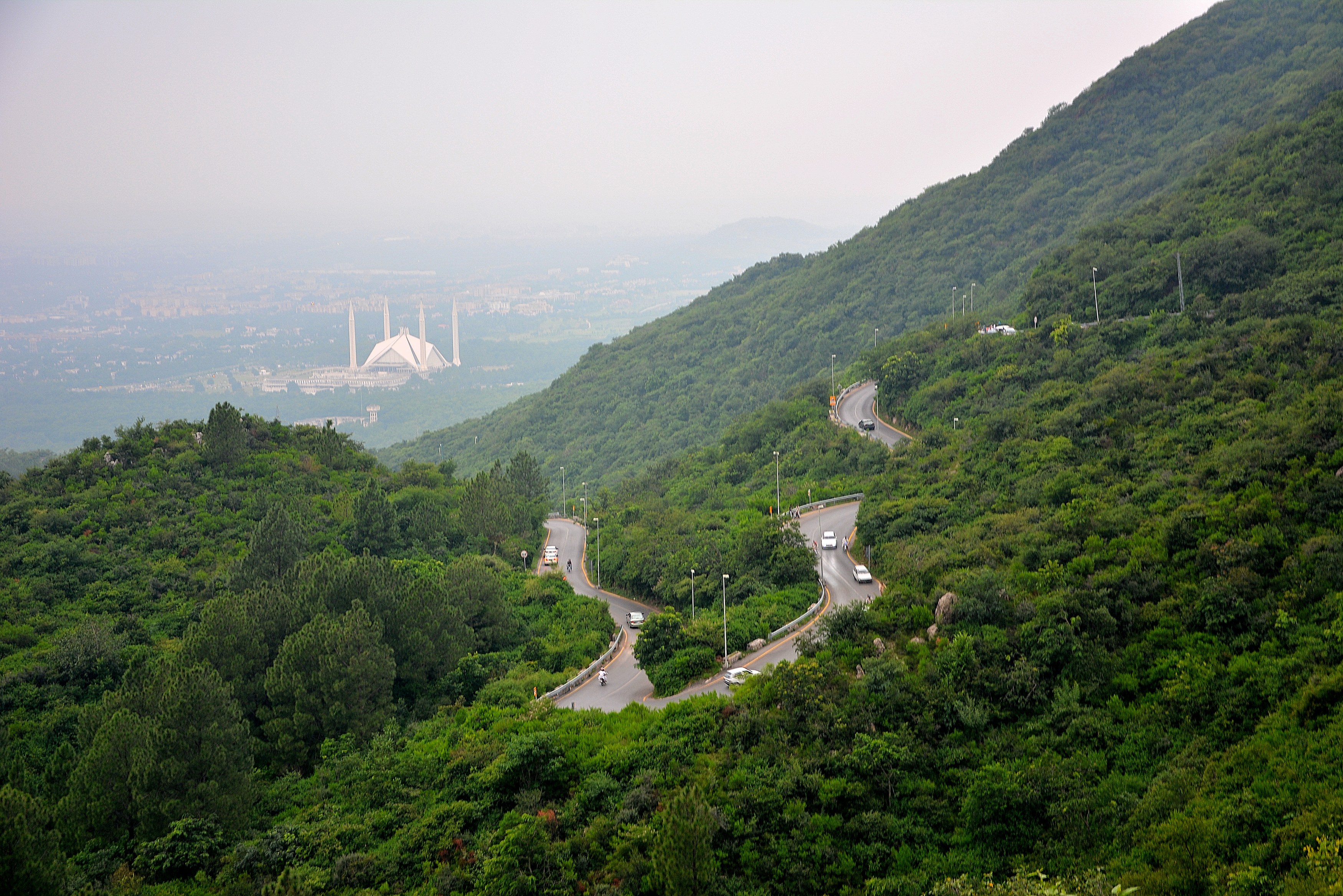
Fly (1 hour) or drive (9 hours) from Islamabad to Bahawalpur. Check into the hotel.
Day 2: Bahawalpur Heritage
Altitude: 117m | Full day in Bahawalpur city
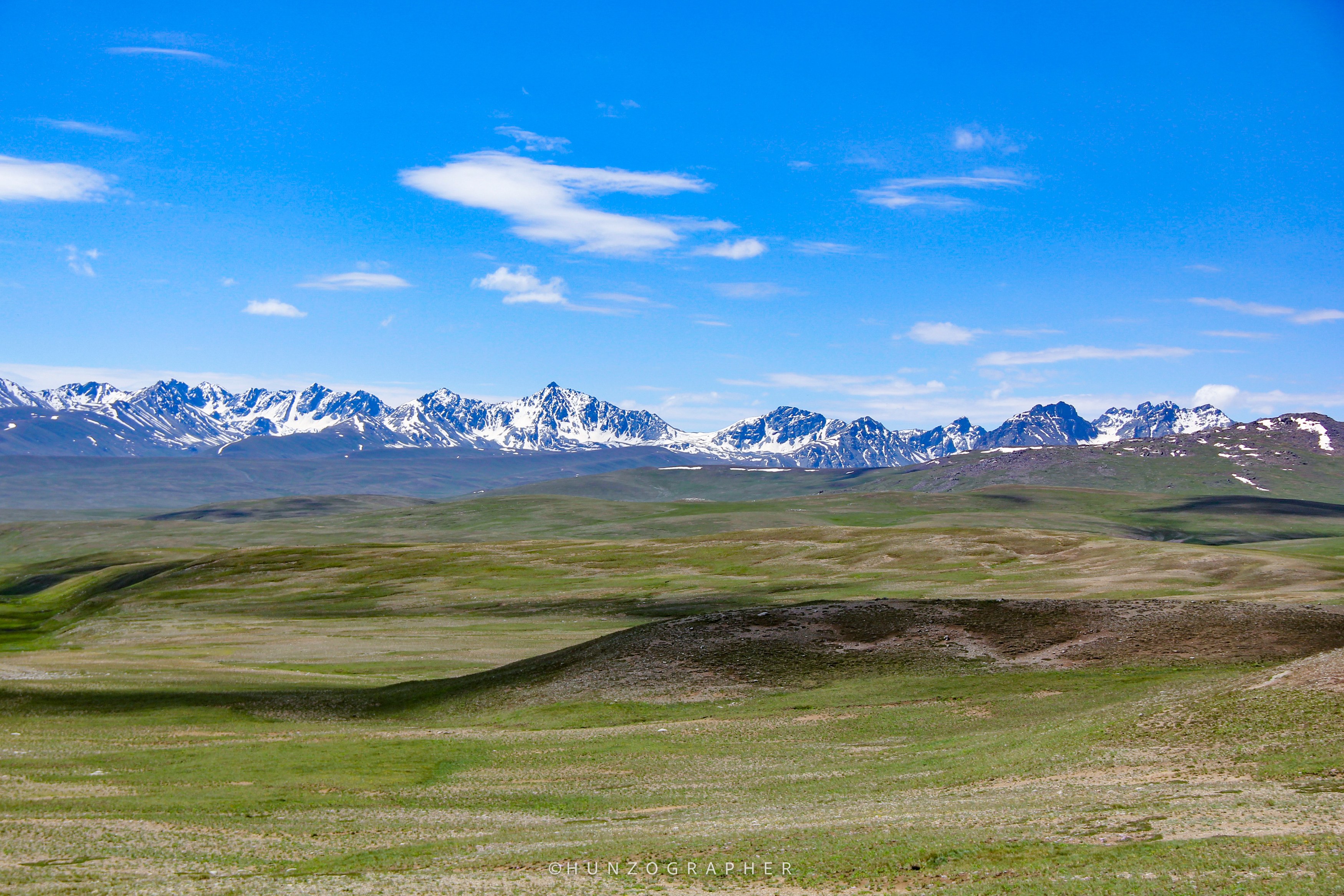
Noor Mahal palace. The Sadiq Egerton College and Bahawalpur Museum. The canal gardens in the evening.
Day 3: Bahawalpur to Derawar Fort
Altitude: 136m | Drive 2 hours off-road, fort visit and camp setup
Three to four-hour drive south into the Cholistan on a mix of paved and sandy tracks. The fort becomes visible from 5km away. Spend 2-3 hours at the fort exterior and mosque. Camp in the desert near the fort.
Day 4: Derawar Desert Day
Altitude: 136m | Camel safari, Pattan Minara, sunset camp
Morning walk in the dune terrain. Camel ride optional. Visit the Qabr-e-Sahaba site near Derawar in the afternoon before returning toward Bahawalpur.
Day 5: Derawar to Bahawalpur, Return Drive
Altitude: 117m | Desert drive back, Bahawalpur overnight
Drive back to Bahawalpur. Afternoon at leisure.
Day 6: Bahawalpur to Islamabad
Altitude: 507m | Drive 6 hours, safari ends
Fly or drive back to Islamabad.
Highlights
- Derawar Fort, 40-metre-high walls and 30 bastions in the middle of the Cholistan Desert, one of the most intact desert fortresses in South Asia.
- Overnight desert camp in the Cholistan dune terrain with clear winter skies and no light pollution.
- Bahawalpur heritage: Noor Mahal palace (1872) and the state mosque built in the Mughal style by the Nawabs of Bahawalpur.
- Drive through the Cholistan on sandy desert tracks from Bahawalpur to Derawar, passing semi-nomadic Cholistan communities.
- Abbasi Mosque at Derawar, a scaled copy of the Badshahi Mosque built in the 18th century, located immediately adjacent to the fort walls.
Included/Excluded
Private vehicle with driver for all transfers and desert off-road sections
All accommodation: hotels in Islamabad and Bahawalpur, desert camping at Derawar
All meals from Day 1 dinner through Day 6 breakfast
Licensed guide with Bahawalpur heritage and Cholistan desert knowledge
Camel safari at Derawar Fort (1 to 2 hours)
All site entrance fees: Derawar Fort, Noor Mahal, Bahawalpur Museum
Desert camping equipment: tent, sleeping mat, lantern, campfire setup
International flights and Pakistan visa
Travel insurance
Personal sleeping bag (rated to +5C for winter desert nights)
Optional flight Islamabad to Bahawalpur (if preferred over road)
Personal shopping in Bahawalpur bazaar
Guide gratuity
Things To know
Bahawalpur and the Nawabi State
The Princely State of Bahawalpur was one of the largest in British India with a territory of nearly 45,000 square kilometres. At partition in 1947 it initially considered independence before acceding to Pakistan. The Nawabs left an architectural legacy in Bahawalpur city out of proportion to its current tourist profile: the Noor Mahal (Italian-Islamic palace), the Sadiq Garh Palace (the largest palace in Pakistan), and numerous public buildings in a distinct south Punjab princely style. The Bahawalpur Museum holds Nawabi-era documents, weapons, and personal effects that give context to this period.
Cholistan Wildlife
The Cholistan Desert supports populations of chinkara gazelle, desert fox, sand cat, and a range of desert bird species. The Lal Suhanra National Park, 35km east of Bahawalpur, is a reserve for chinkara, blackbuck antelope, and migratory waterbirds on the park's seasonal wetlands. An optional extension to Lal Suhanra adds a half-day game drive to the safari itinerary. Contact us to include this.
FAQs
Who built Derawar Fort?
The Abbasi Nawabs of Bahawalpur built the current structure in the 18th century. The original fort on the site was built by Rai Jajja Bhati, a Rajput chieftain, in the 9th century CE. The Nawabs ruled the region as a princely state under British suzerainty until Pakistani independence in 1947. The fort remains private property of the Nawab family.
Is it possible to enter Derawar Fort?
Entry to the interior is controlled by the Nawab family and is not guaranteed for tourists. Most visits involve the exterior: the walls, the 30 bastions, and the adjacent Abbasi Mosque. The mosque is accessible during prayer times. We will seek permission for interior access as part of the tour but cannot guarantee approval.
What is the Cholistan Desert Rally?
The Cholistan Desert Rally is an annual off-road motorsport event in the Cholistan in February. It follows a course through the desert near Bahawalpur and Derawar. If your visit coincides with the rally it adds a significant spectacle. We can align tour dates with the rally if it is a priority.
How cold is the desert at night in winter?
December and January: daytime 10-18 degrees Celsius, night 2-5 degrees. Clear still nights can approach 0 degrees. Desert camping requires a sleeping bag rated to at least -5 degrees and warm layering for the evenings. The days are pleasant and the conditions are right for walking.
Tour Location
Derawar Fort, Cholistan Desert, Bahawalpur, Punjab, Pakistan
Reviews
0/5
Not Rated
Based on
0 review
Excellent
0
Very Good
0
Average
0
Poor
0
Terrible
0
No Review
17%
from
$700
$580
from
$700
$580