Annapurna Base Camp Trek
Annapurna Base Camp, Annapurna Sanctuary, Nepal
0/5
0% of guests recommend
Duration
14 Days
Tour Type
Trekking
Group Size
15 persons
Overview
Trek Overview
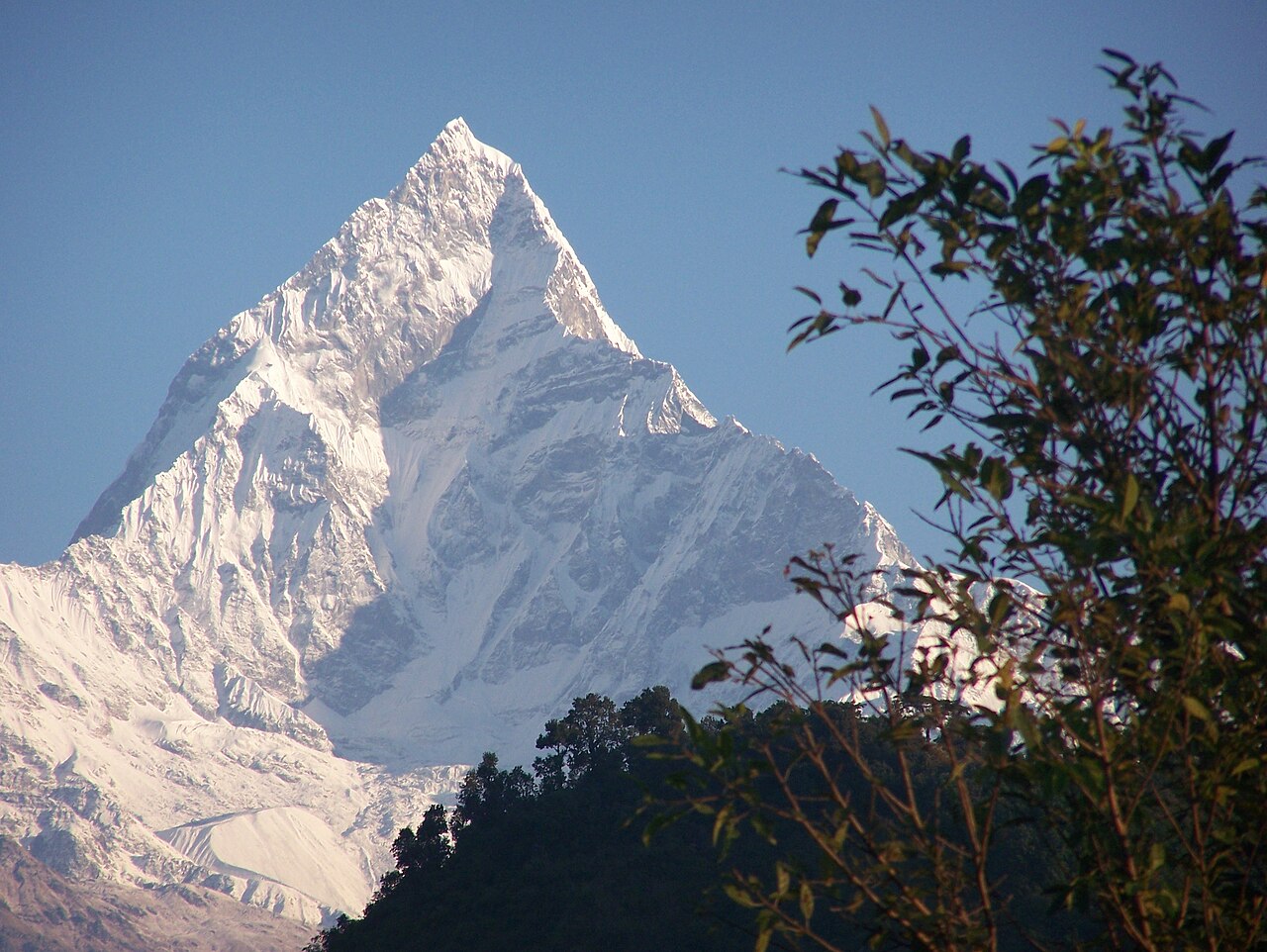
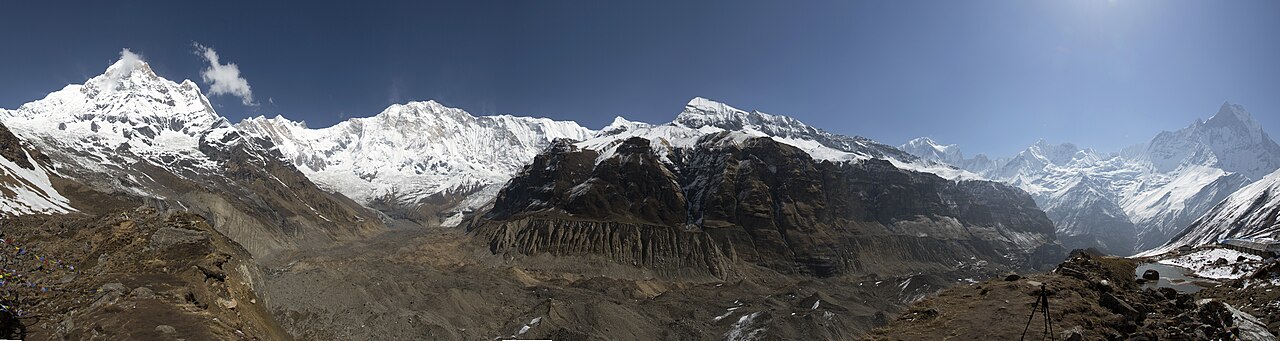
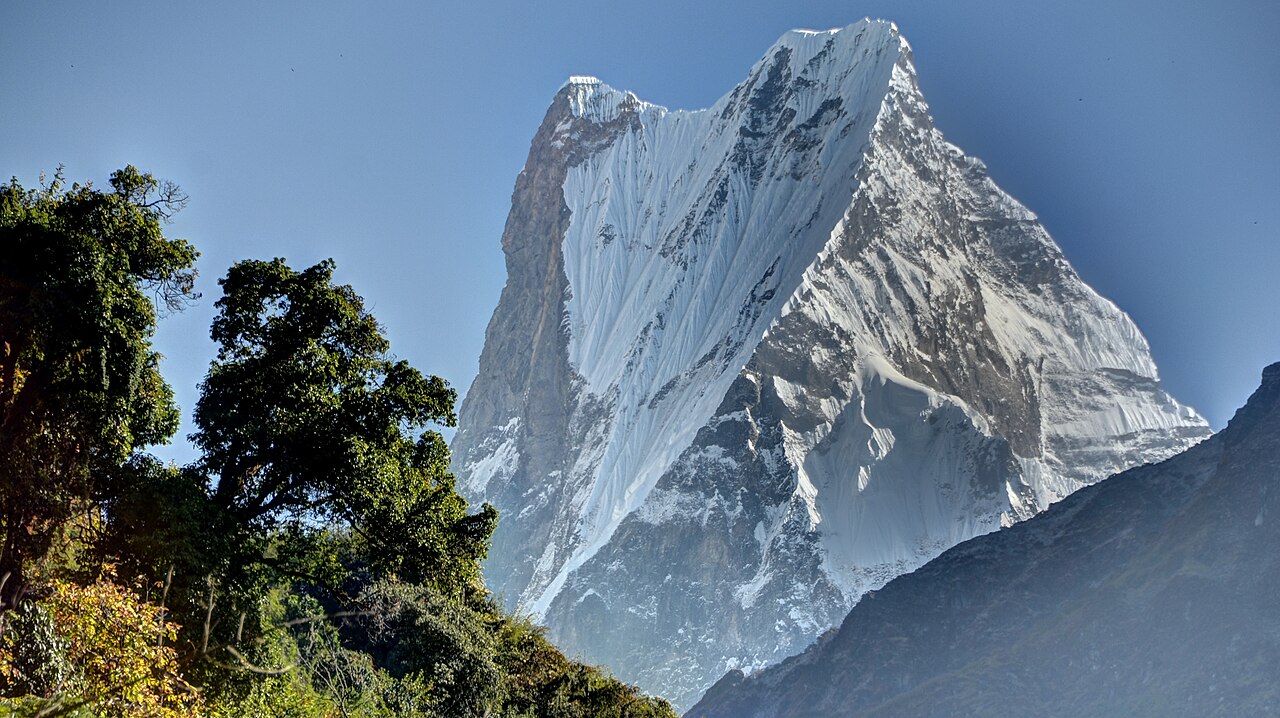
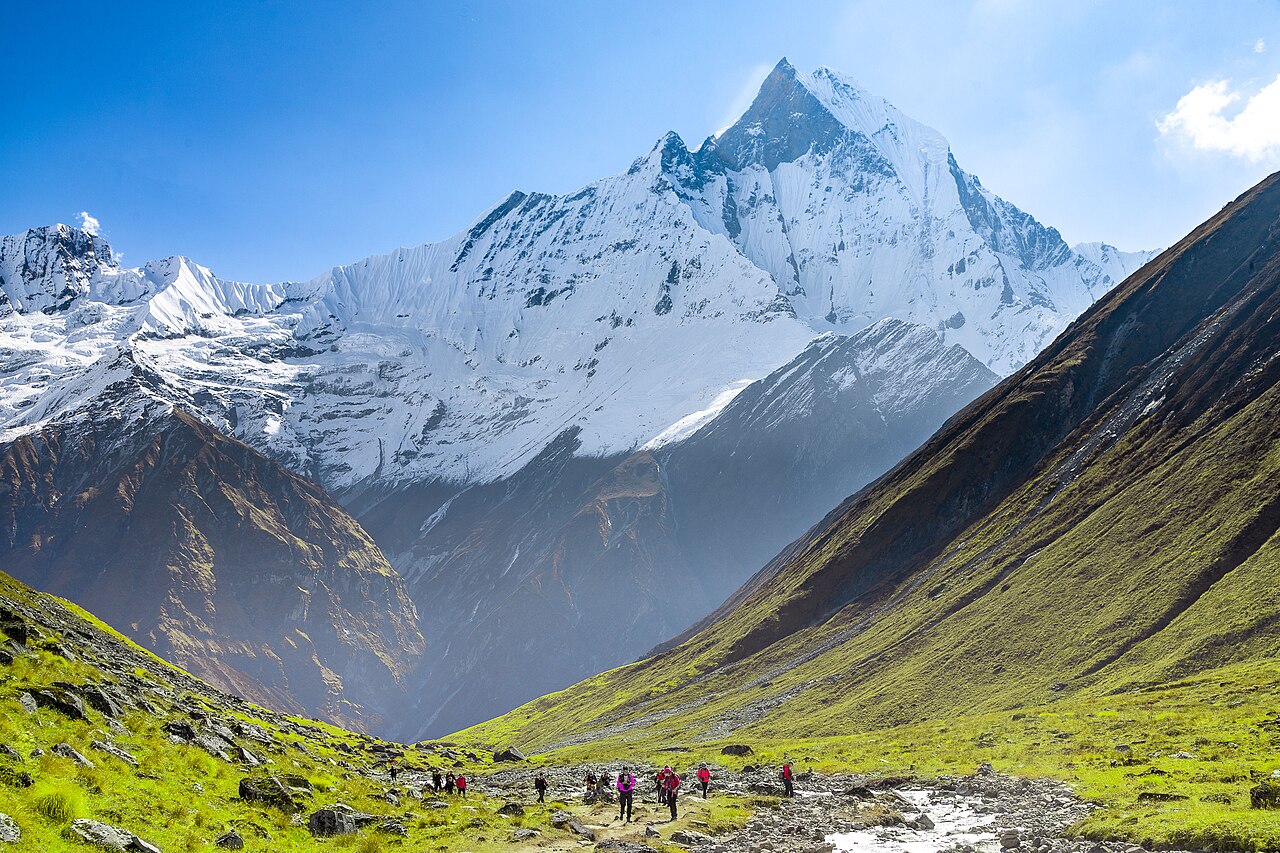
The Annapurna Base Camp Trek is Nepal's most visited trekking route, drawing over 246,000 travelers a year into the dramatic natural amphitheater of the Annapurna Sanctuary. This 14-day itinerary combines a night at Poon Hill for a classic Himalayan sunrise with a steady ascent through Gurung villages, rhododendron forest, and glacial valley to Annapurna Base Camp itself at 4,130m, ringed by Annapurna I (8,091m), Machapuchare (Fishtail), and Hiunchuli.
Route & Altitude Profile
The route runs Pokhara - Nayapul - Tikhedhunga (1,540m) - Ghorepani (2,860m) - Poon Hill (3,210m) - Tadapani (2,630m) - Chhomrong (2,170m) - Himalaya (2,920m) - Annapurna Base Camp (4,130m), covering roughly 85-90km round trip with daily walks of 4 to 8 hours.
Difficulty & Fitness
Rated moderate. No technical climbing is required and the maximum altitude of 4,130m is well below the risk threshold of routes like Everest Base Camp, making this an accessible introduction to Himalayan trekking for reasonably fit beginners, though the steep stone staircases around Ghorepani and Chhomrong are physically demanding.
Best Time to Trek
The two main trekking seasons are spring (March to May), when rhododendron forests bloom in full colour, and autumn (September to November), which offers the clearest mountain views after the monsoon. Winter and monsoon trekking are both possible with the right preparation.
Permits & Regulations
Two permits are required: the Annapurna Conservation Area Permit (ACAP) and a Trekkers' Information Management System (TIMS) card. Since April 2023, Nepal Tourism Board regulations require all foreign trekkers in the Annapurna Conservation Area to be accompanied by a licensed guide booked through a registered agency.
Accommodation & Meals
Trekkers stay in hotels in Kathmandu and Pokhara and in local teahouses/lodges along the trail, with private bathrooms available at lower elevations and shared facilities becoming more common above Chhomrong. All breakfasts, lunches, and dinners during the trek are included, with dal bhat, noodles, soup, and pasta widely available, and vegetarian diets easily accommodated.
Altitude Sickness & Safety
Annapurna Base Camp's 4,130m summit sits well below the altitude-sickness danger zone of higher treks, and the itinerary's gradual, staged ascent through Ghorepani, Chhomrong, and Himalaya is designed to minimise Acute Mountain Sickness risk. Guides monitor trekkers throughout and can arrange descent or emergency helicopter evacuation if required.
Itinerary
Day 1: Arrival in Kathmandu
Tribhuvan International Airport - Kathmandu (1,345m)
Arrive in Kathmandu and transfer to your hotel. The rest of the day is free to rest, with a pre-trip briefing and equipment check in the evening.
Day 2: Kathmandu Sightseeing & Trek Preparation
Kathmandu Valley (1,345m)
A guided sightseeing tour of Kathmandu's UNESCO World Heritage Sites, followed by final trek preparations and permit processing.
Day 3: Drive from Kathmandu to Pokhara
Kathmandu to Pokhara (930m), approx. 7-8 hrs, 210km
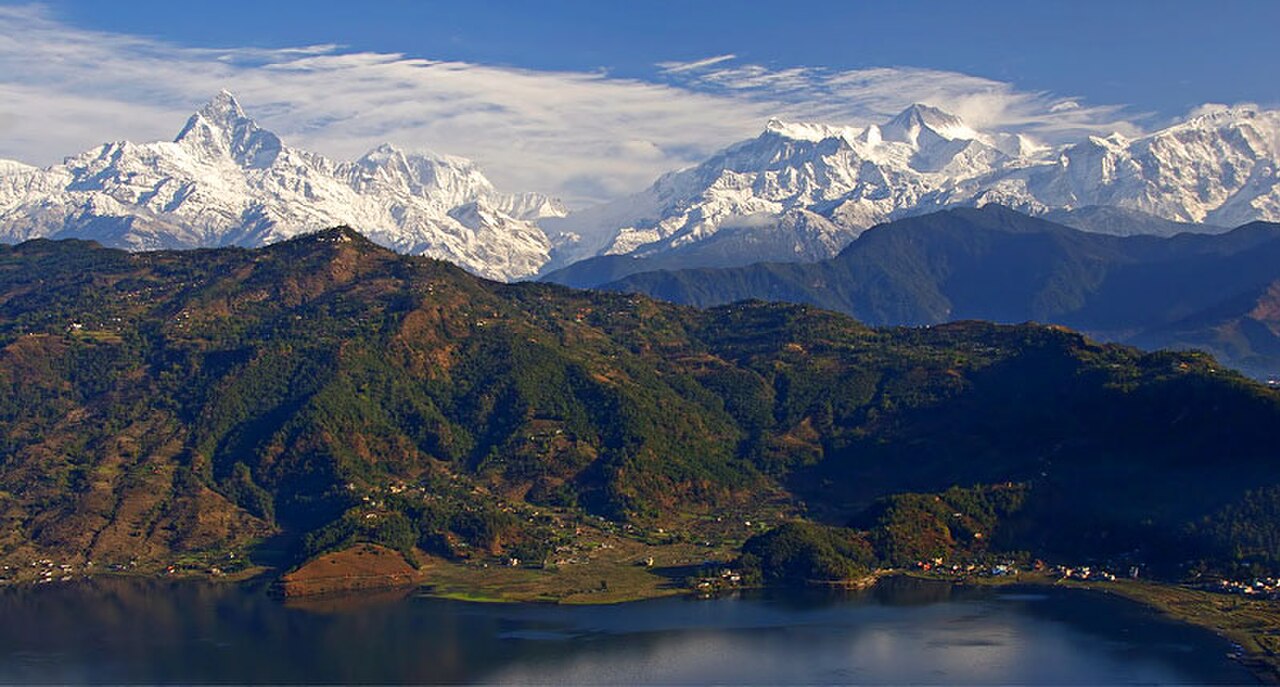
A scenic drive west to Pokhara on the shore of Phewa Lake, with views of the Annapurna and Manaslu ranges on clear days.
Day 4: Drive to Nayapul, trek to Tikhedhunga
Nayapul to Tikhedhunga (1,540m), approx. 3-4 hrs, 7km
Drive to the trailhead at Nayapul and begin trekking along the Modi Khola valley, passing terraced fields and villages to Tikhedhunga.
Day 5: Trek to Ghorepani
Tikhedhunga (1,540m) to Ghorepani (2,860m), approx. 7-8 hrs, 11km
A long climbing day up stone staircases through rhododendron and oak forest to the ridge-top village of Ghorepani, gateway to Poon Hill.
Day 6: Sunrise at Poon Hill, trek to Tadapani
Poon Hill (3,210m) then to Tadapani (2,630m), approx. 6-7 hrs, 12km
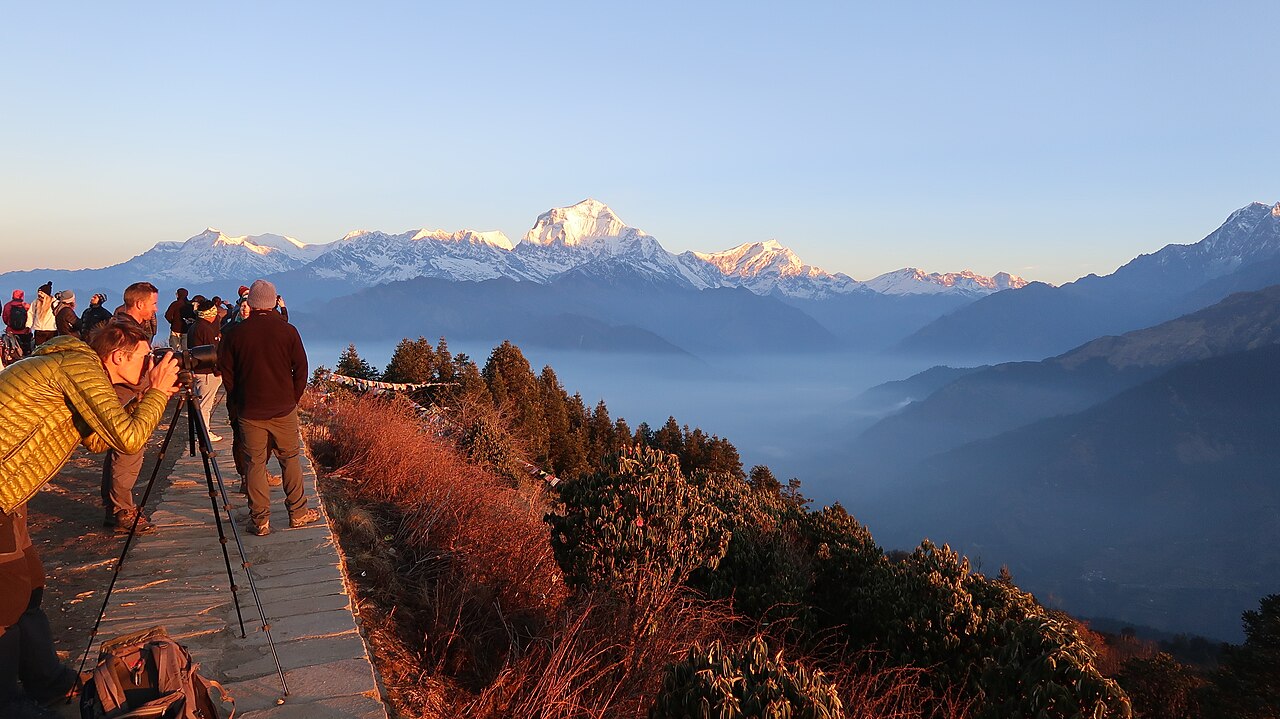
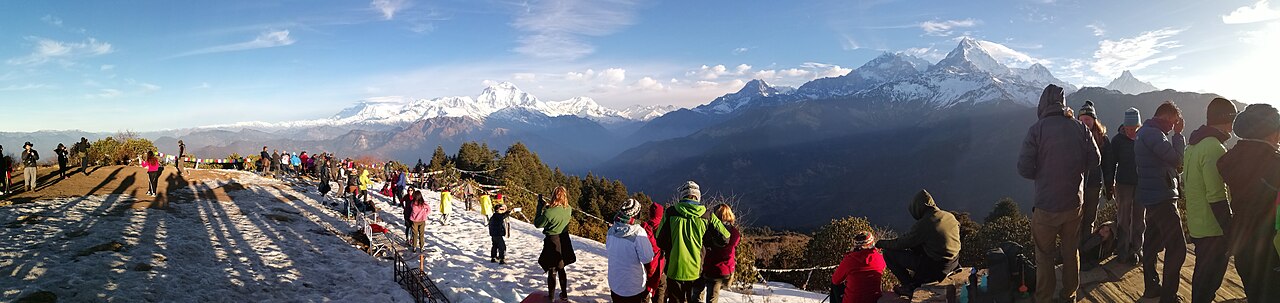
An early pre-dawn climb to Poon Hill for panoramic sunrise views over the Annapurna and Dhaulagiri ranges, then descend and continue trekking to Tadapani.
Day 7: Trek to Chhomrong
Tadapani (2,630m) to Chhomrong (2,170m), approx. 6-7 hrs, 10km
Descend through forest with close views of Annapurna South and Machapuchare, crossing the Kimrong Khola before climbing to Chhomrong, the last major village on the route.
Day 8: Trek to Himalaya
Chhomrong (2,170m) to Himalaya (2,920m), approx. 6-7 hrs, 11km
Descend to the Chhomrong Khola and climb steadily through bamboo and rhododendron forest into the narrowing Modi Khola gorge toward Himalaya.
Day 9: Trek to Annapurna Base Camp
Himalaya (2,920m) to Annapurna Base Camp (4,130m), approx. 6-7 hrs, 11km
Trek through Deurali and Machapuchare Base Camp into the Annapurna Sanctuary, arriving at Annapurna Base Camp surrounded by Annapurna I, Machapuchare, and Hiunchuli.
Day 10: Trek to Dovan
Annapurna Base Camp (4,130m) to Dovan (2,600m), approx. 6-7 hrs, 12km
Begin the descent, retracing the trail back down through Machapuchare Base Camp and Himalaya to Dovan.
Day 11: Trek to Jhinu Danda
Dovan (2,600m) to Jhinu Danda (1,760m), approx. 6-7 hrs, 12km
Continue the descent via Chhomrong to Jhinu Danda, known for its natural hot springs beside the Modi Khola river - a welcome reward after days of trekking.
Day 12: Trek to Siwai, drive to Pokhara
Jhinu Danda to Siwai (830m), then drive to Pokhara, approx. 4-5 hrs combined
A final short trek down to the roadhead at Siwai, followed by a drive back to Pokhara to celebrate the completion of the trek.
Day 13: Travel from Pokhara to Kathmandu
Pokhara to Kathmandu, approx. 7-8 hrs, 210km
Return to Kathmandu by tourist bus or scenic mountain flight. The evening is free for rest or shopping in Thamel.
Day 14: Departure
Kathmandu - Tribhuvan International Airport
Transfer to Kathmandu International Airport for your onward flight, or extend your stay to explore more of Nepal.
Highlights
- Sunrise over the Annapurna and Dhaulagiri ranges from Poon Hill (3,210m)
- Trek into the Annapurna Sanctuary to Base Camp (4,130m), ringed by 7,000-8,000m peaks
- Close-up views of Machapuchare (Fishtail), one of the world's most striking unclimbed peaks
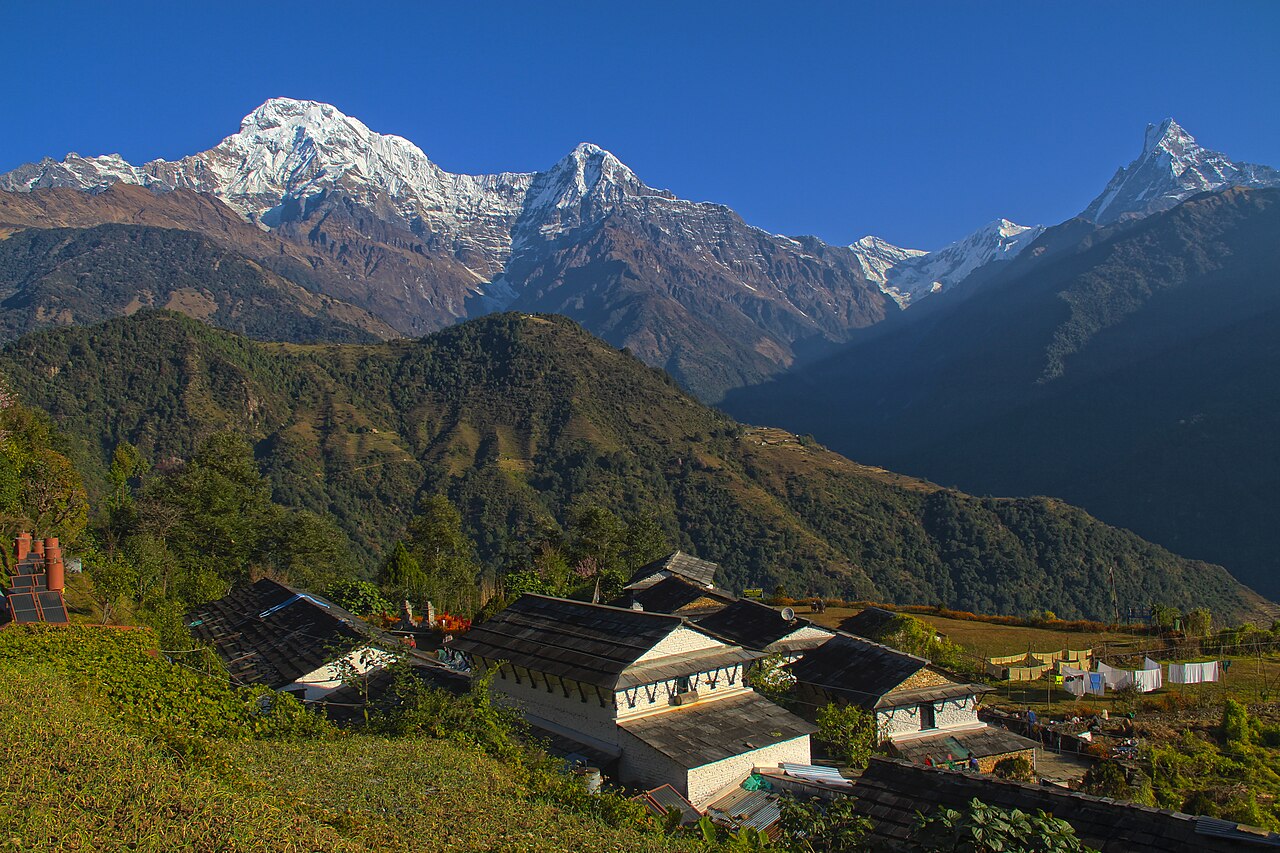
- Explore Gurung villages including Ghandruk and Chhomrong
- Relax in the natural hot springs at Jhinu Danda
- Rhododendron forests in bloom during spring trekking season
Included/Excluded
Airport pickup and drop-off in Kathmandu on a private vehicle
3 nights hotel accommodation in Kathmandu (3-star) with breakfast
2 nights hotel accommodation in Pokhara (2-3 star) with breakfast
Tourist bus transportation between Kathmandu and Pokhara
Private transportation between Pokhara and the trekking trailhead
Experienced, government-licensed trekking guide
Porter service (1 porter per 2 trekkers)
8 nights teahouse/lodge accommodation during the trek
All meals (breakfast, lunch, dinner) during trekking days
Annapurna Conservation Area Permit (ACAP)
Trekkers' Information Management System (TIMS) card
First aid kit with pulse oximeter, carried by the guide
All government and local taxes
International airfare to/from Nepal
Nepal entry visa fee
Travel insurance with high-altitude trekking and emergency evacuation cover
Lunch and dinner in Kathmandu and Pokhara
Entrance fees for monuments/heritage sites during Kathmandu sightseeing
Personal trekking gear and clothing
Hot showers, Wi-Fi, and battery charging during the trek (available at extra cost)
Bottled or boiled drinking water and other beverages
Personal expenses (snacks, souvenirs, laundry)
Tips for guide, porters, and drivers
Emergency helicopter evacuation costs (recoverable via travel insurance)
Extra costs due to weather delays or early return
Things To know
Physical Fitness & Training
A few weeks of regular walking, jogging, or stair climbing before departure will make the steep sections around Ghorepani and Chhomrong far more comfortable.
Packing List & Gear
Key items include a warm sleeping bag, down jacket, waterproof shell, sturdy trekking boots, and a daypack; a duffel bag and sleeping bag/down jacket can be provided if needed.
Money & ATMs
Carry USD 100-150 in Nepali rupees for personal expenses. ATMs are available in Pokhara but not in the higher sections of the trail.
Communication & Wi-Fi
Wi-Fi and phone charging are available at most teahouses for a small fee, with coverage and reliability decreasing at higher elevations.
Travel Insurance
Insurance covering trekking up to at least 4,200m, including emergency evacuation, is required for every trekker on this itinerary.
Visa Information
Most nationalities can obtain a Nepal visa on arrival at Kathmandu airport (USD 30 for 15 days, USD 50 for 30 days) with two passport photos.
Altitude Sickness Prevention
Although lower than treks above 5,000m, Annapurna Base Camp still requires a gradual ascent; report any symptoms of Acute Mountain Sickness to your guide immediately.
Food & Water Safety
Meals are freshly prepared at each teahouse; drinking water should be treated with a filter, UV steriliser, or purification tablets rather than drunk untreated.
Age & Family Suitability
There is no strict age limit. Children who are fit and used to walking, and trekkers well into their senior years, regularly complete this route.
Guide Requirement
Since April 2023, all foreign trekkers in the Annapurna Conservation Area must be accompanied by a licensed guide booked through a registered agency - included in every package.
Hot Springs at Jhinu Danda
A short side trip down to the riverside hot springs at Jhinu Danda is a popular way to soothe tired legs near the end of the trek.
Seasonal Considerations
Spring (March-May) brings blooming rhododendron forests; autumn (September-November) offers the clearest mountain views. Both are peak season, so book accommodation and permits in advance.
FAQs
How many days does the Annapurna Base Camp Trek take?
Our itinerary spans 14 days from Kathmandu to Kathmandu, including sightseeing, road travel to and from Pokhara, and the trek itself.
How high is Annapurna Base Camp?
Annapurna Base Camp sits at 4,130m (13,550ft) above sea level, inside the Annapurna Sanctuary.
How difficult is the trek?
Rated moderate. No technical climbing skills are required, though the stone staircases around Ghorepani and Chhomrong are demanding and daily walks run 4-8 hours.
Do I need previous trekking experience?
No. Previous trekking or high-altitude experience is not essential, though reasonable fitness and preparation through walking, jogging, or similar training is recommended.
Is a guide required?
Yes. Since April 2023, Nepal Tourism Board regulations require all foreign trekkers in the Annapurna Conservation Area to be accompanied by a licensed guide booked through a registered agency.
What permits do I need?
The Annapurna Conservation Area Permit (ACAP) and a Trekkers' Information Management System (TIMS) card, both arranged for you and included in the trip cost.
What is the best time to trek?
Spring (March-May) for blooming rhododendrons, and autumn (September-November) for the clearest mountain views, are the two main seasons.
Can I trek during winter or monsoon?
Yes, both are possible. Winter brings colder temperatures and possible snow, while monsoon (June-August) brings rain, cloud cover, and slippery trails with limited mountain visibility.
Is altitude sickness a concern?
The risk is lower than on treks above 5,000m, but still worth taking seriously at 4,130m. The itinerary gains elevation gradually and your guide monitors everyone's condition throughout.
What type of accommodation is used?
Hotels in Kathmandu and Pokhara, and teahouses/lodges during the trek, with private bathrooms at lower elevations and shared facilities becoming more common above Chhomrong.
Is vegetarian food available?
Yes, vegetarian meals are widely available, including dal bhat, noodles, pasta, and soup; vegan or special diets should be flagged in advance.
Is Wi-Fi and phone charging available?
Wi-Fi and charging are available at most teahouses, usually for a small fee, with reliability decreasing at higher elevations. A power bank is a useful backup.
How much cash should I bring?
Around USD 100-150 for personal expenses, since ATMs are not available in the higher sections of the trail.
Is there an age limit?
There is no strict age limit. Fitness, health, and the ability to handle several consecutive days of walking matter more than age alone.
Is travel insurance required?
Yes, insurance covering high-altitude trekking to at least 4,200m and emergency evacuation is required for this trip.
Can I combine this trek with other activities?
Yes, many trekkers add paragliding, boating, or extra sightseeing days in Pokhara before or after the trek.
Tour Location
Annapurna Base Camp, Annapurna Sanctuary, Nepal
Reviews
0/5
Not Rated
Based on
0 review
Excellent
0
Very Good
0
Average
0
Poor
0
Terrible
0
No Review
14%
from
$1,050
$899
from
$1,050
$899